
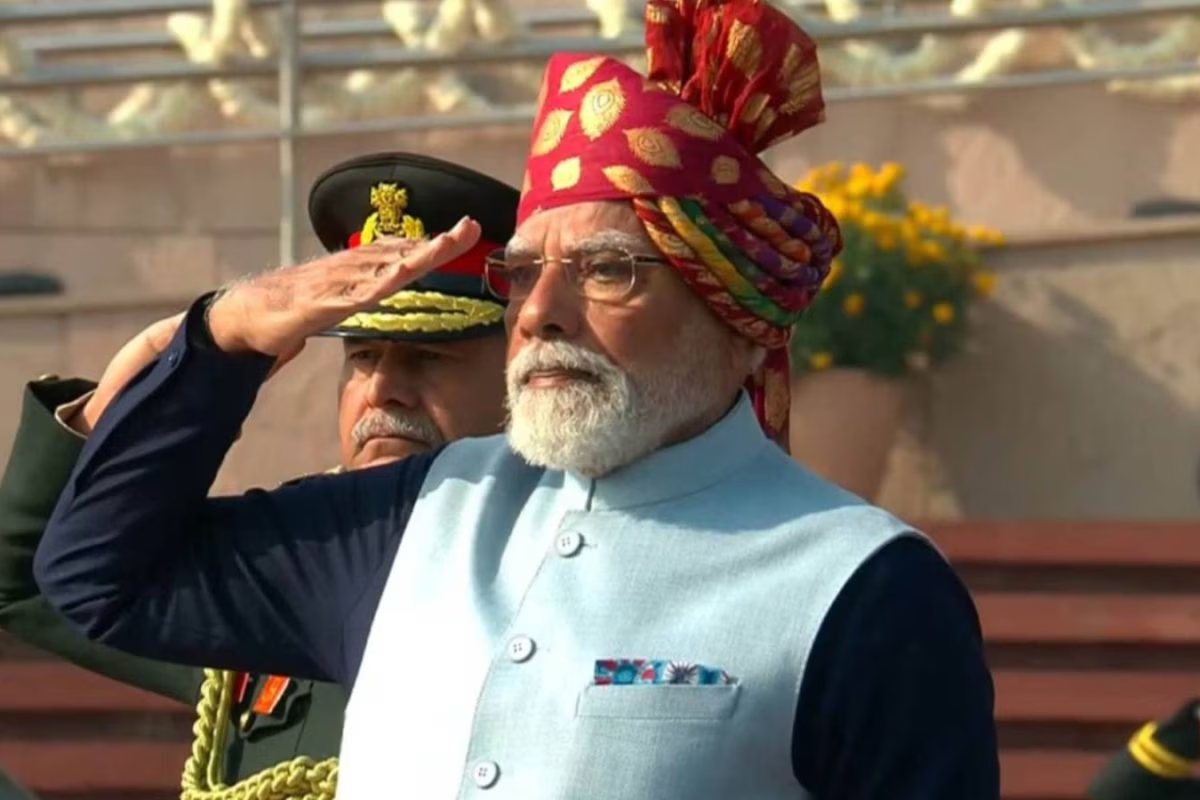


As India celebrated its 77th Republic Day at Kartavya Path, Prime Minister Narendra Modi continued his decade-long tradition of using ceremonial headgear to showcase the nation’s rich textile heritage. This year, the Prime Minister’s attire was anchored by a vibrant Rajasthani safa, a choice that blended statesmanship with regional pride.
The Anatomy of the 2026 Turban
The 2026 turban was a sophisticated nod to the Marwar–Mewar belt of Rajasthan. Here are the specific details of the headgear:
- Colors: A base of deep magenta and wine red, accented with striking saffron (red-yellow) Bandhej patterns and highlights of green and purple.
- Motifs: The fabric featured intricate golden-embossed peacock (morpankh) motifs and gold zari brocade work, traditionally symbolizing celebration and good fortune.
- Style: Tied high with a fan-shaped crest (kalgi) and a long, elegantly draped tail over the shoulder, the silk-blend safa featured diagonal leheriya wave patterns.
The Full Ensemble
PM Modi paired the ornate safa with a balanced, formal look:
- A navy blue kurta providing a dark, grounded base.
- A powder blue (light sky-blue) Nehru jacket that offered a modern contrast.
- Classic white churidar-style trousers and traditional black formal shoes.
More Than Just Fashion: The Power of the Safa
In Indian diplomacy, clothing often serves as a visual language. PM Modi’s choice of the Rajasthani safa for 2026 carried several layers of meaning:
- Inclusive Nationalism: By rotating regional headgear each year (from Uttarakhandi caps to Gujarati Halari pagdis), the PM visually represents the “Unity in Diversity” of the Indian Republic.
- Support for Artisans: The use of traditional Bandhej (tie-and-dye) and Zari work highlights local craftsmanship, aligning with the “Vocal for Local” initiative.
- Cultural Continuity: The turban acts as a bridge between India’s royal past and its democratic present, reinforcing a sense of heritage during the constitutional celebrations.
Republic Day 2026 also marked a milestone with European Commission Chief Ursula von der Leyen and European Council President Antonio Costa as chief guests, a setting where such cultural symbolism effectively served as “soft diplomacy.”