
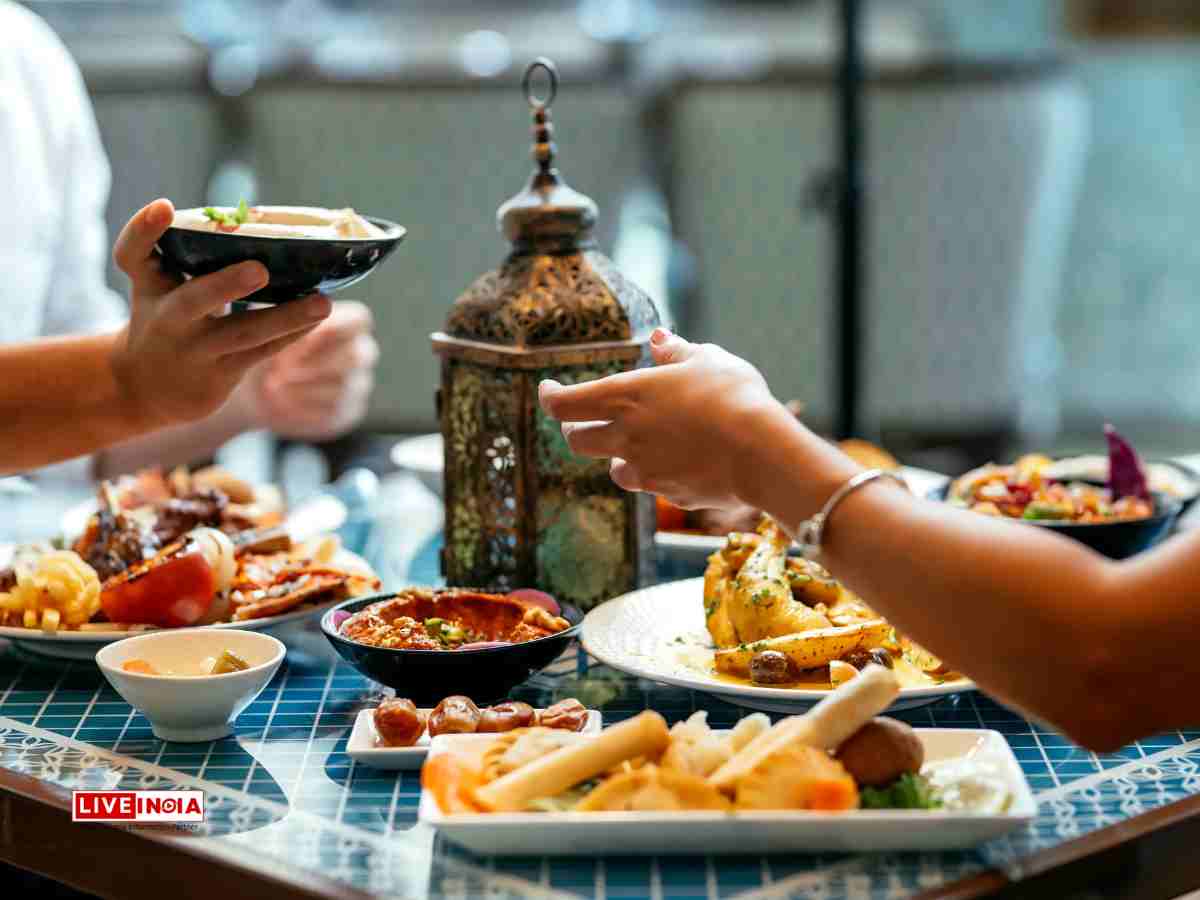


Discover the Special Foods That Replenish, Rejuvenate, and Restore Energy After a Long Day of Fasting
The Science and Tradition Behind Iftar Delicacies
Ramadan 2025 is here, and millions of Muslims around the world are observing Roza (fasting) from dawn to sunset. As the sun sets, families and communities come together for Iftar, the meal that breaks the fast. While Iftar meals vary across cultures, certain foods have stood the test of time due to their nutritional benefits and spiritual significance.
Let’s explore the special foods traditionally eaten during Iftar and the logic behind their consumption.
Why Is Iftar Important?
After fasting for nearly 12-15 hours, the body needs:
✅ Quick energy replenishment
✅ Hydration
✅ Nutrient-dense foods for digestion and metabolism
That’s why Iftar meals are carefully designed to provide a balance of carbohydrates, proteins, and hydration, ensuring sustained energy levels for the rest of the night.
Special Foods for Iftar & Their Benefits
1. Dates (Khajoor) – The Sunnah Food
🍽 Why it’s eaten:
- Following the Sunnah (tradition) of Prophet Muhammad (PBUH), Muslims break their fast with dates and water.
- It provides instant energy after long hours of fasting.
🔬 Scientific Benefit:
- Rich in natural sugars (glucose, fructose, sucrose) for an immediate energy boost.
- High in fiber to support digestion.
- Packed with minerals like potassium & magnesium, which help replenish electrolytes lost during fasting.
2. Water and Rooh Afza (Hydration Essentials)
💧 Why it’s eaten:
- The body loses a lot of fluids during fasting, making hydration a priority at Iftar.
🔬 Scientific Benefit:
- Water helps in replenishing lost fluids.
- Rooh Afza (herbal drink) is rich in cooling agents, helping to prevent dehydration and heatstroke.
3. Fruits – A Natural Sugar Source
🍊🍉 Why they’re eaten:
- Fruits provide natural sugars and hydration while being easy to digest.
🔬 Scientific Benefit:
- Watermelon, oranges, cucumbers are high in water content, keeping the body hydrated.
- Bananas are rich in potassium, which helps in muscle recovery.
4. Pakoras & Samosas – The Crispy Indulgence
🥟 Why they’re eaten:
- Fried items like pakoras (fritters) and samosas are a cultural staple during Iftar in many countries.
- They provide instant satiety after fasting.
🔬 Scientific Concern:
- While delicious, too many fried foods can cause acidity and bloating.
- Consuming them in moderation is advised for better digestion.
5. Lentil Soup & Haleem – The Power Protein
🥣 Why it’s eaten:
- Soups and stews like Haleem (a mix of wheat, lentils, and meat) are rich in protein and fiber.
- They help in muscle recovery after long fasting hours.
🔬 Scientific Benefit:
- Lentils provide plant-based protein and complex carbohydrates for long-lasting energy.
- Haleem is a slow-digesting food, keeping you full for longer.
6. Rice Dishes (Biryani, Pulao, Khichdi)
🍛 Why they’re eaten:
- Rice dishes are hearty and fulfilling, providing sustained energy throughout the night.
🔬 Scientific Benefit:
- Complex carbs in rice give slow-release energy, keeping you full till Suhoor (pre-dawn meal).
- Spices used (like cumin & turmeric) aid digestion and metabolism.
7. Yogurt & Laban – The Cooling Factor
🥛 Why it’s eaten:
- Dairy-based foods like yogurt and laban (buttermilk) are eaten to soothe the stomach.
🔬 Scientific Benefit:
- Rich in probiotics, they help digestion and prevent acidity after fasting.
- Cooling effect prevents heartburn from spicy foods.
The Logical Approach to Iftar
🥗 Start light: Dates and water give quick energy without overloading the stomach.
🍲 Include proteins: Haleem, lentil soup, or grilled chicken support muscle recovery.
🥦 Balance with fiber: Fruits and vegetables aid digestion.
⚠ Avoid excessive fried foods: Limit pakoras, samosas, and deep-fried snacks.
💧 Stay hydrated: Water, herbal drinks, and yogurt-based drinks prevent dehydration.
Conclusion: A Healthy & Nourishing Iftar
Iftar is not just about food—it’s about replenishing the body in a way that sustains energy and health. While traditional Iftar dishes vary across cultures, the logic behind them remains the same: hydration, quick energy, and balanced nutrition.
So, as you break your Roza this Ramadan 2025, enjoy delicious, nutritious, and meaningful meals that nurture both body and soul.
Tags:
Ramadan 2025, Iftar Food, Healthy Iftar, Special Ramadan Dishes, Fasting Nutrition, Sunnah of Iftar, Roza Diet, Traditional Iftar, Ramadan Recipes, Muslim Fasting