


Aircraft Accident Investigation Bureau initiates formal probe as 241 perish in Air India Boeing 787 tragedy; international and domestic agencies join efforts to uncover cause
The Aircraft Accident Investigation Bureau (AAIB) has launched a formal investigation into the devastating crash of Air India Flight 171 in Ahmedabad, which claimed the lives of 241 people, Union Civil Aviation Minister Ram Mohan Naidu announced on Friday. The AAIB, which operates under India’s Ministry of Civil Aviation, will lead the probe in accordance with international protocols established by the International Civil Aviation Organisation (ICAO).
“Following the tragic incident in Ahmedabad, a formal investigation has been initiated by the AAIB in line with ICAO protocols,” Naidu posted on X, formerly Twitter. He further stated that a high-level committee with multidisciplinary experts is being constituted to ensure robust safety recommendations and prevent future disasters.
Global Cooperation in Aircraft Crash Probe
Adding to the gravity of the incident, the U.S. National Transportation Safety Board (NTSB) has confirmed it will send a team of investigators to India to assist the AAIB. “The NTSB will be leading a team of US investigators travelling to India to assist the Aircraft Accident Investigation Bureau with its investigation,” the agency posted on X.
However, as mandated under ICAO’s Annex 13, all official updates and information will be disseminated through the Indian government.
Details of the Fatal Crash and Victims
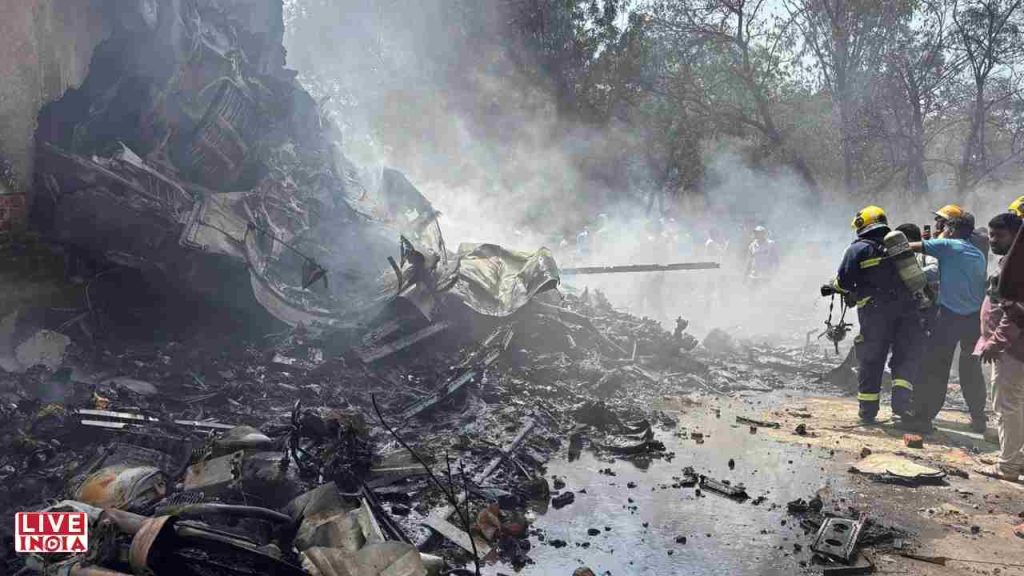
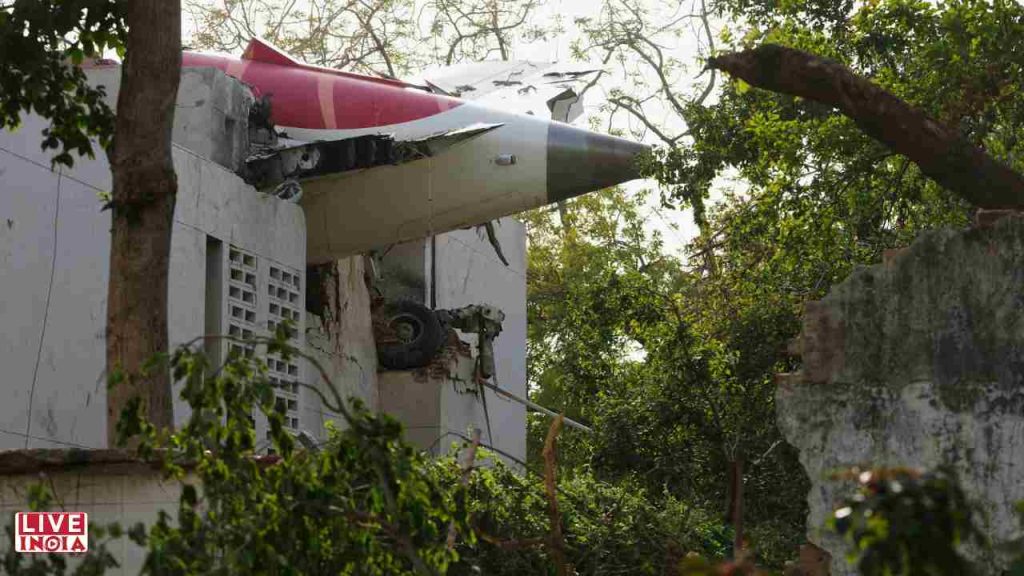
Air India confirmed that Flight 171, a Boeing 787-8 Dreamliner, took off from Ahmedabad’s Sardar Vallabhbhai Patel International Airport at 1:38 PM IST on June 12, 2025, en route to London Gatwick. Just minutes after takeoff, the aircraft issued a Mayday call and then lost all contact with Air Traffic Control. It crashed into a resident doctors’ hostel building near the airport, resulting in a massive fire and widespread devastation.
Of the 242 people onboard, 241 were confirmed dead, including all 12 crew members. Remarkably, one passenger — a British national of Indian origin — survived and is currently undergoing treatment in a hospital.
The aircraft was piloted by Captain Sumeet Sabharwal, a Line Training Captain with 8,200 flying hours, and First Officer Clive Kundar, who had logged 1,100 hours.
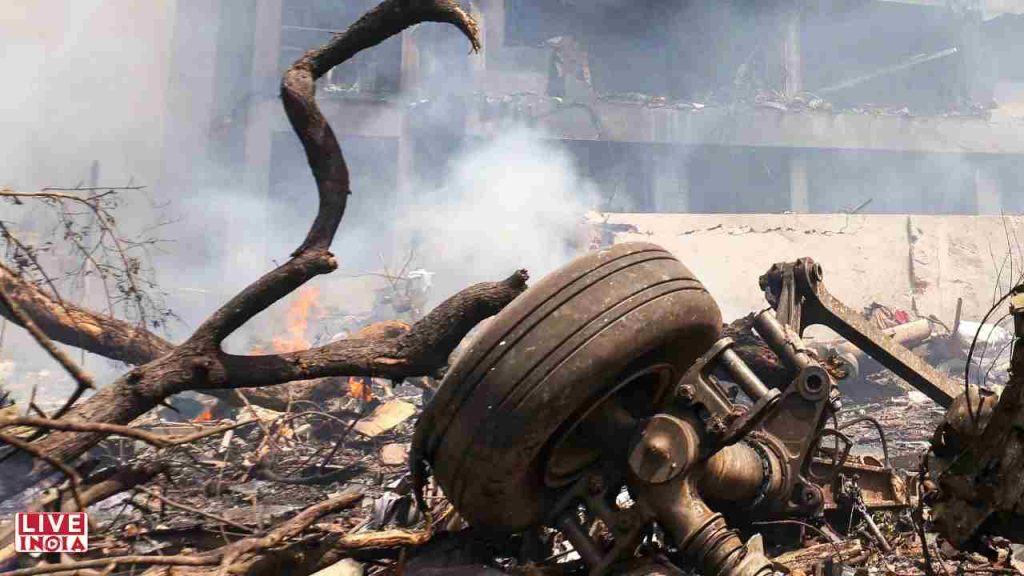
The passenger manifest included 169 Indian nationals, 53 British nationals, seven Portuguese citizens, and one Canadian. Air India has activated emergency helplines: 1800 5691 444 (India) and +91 8062779200 (international callers) to assist relatives of those onboard.
Tata Group Offers Compensation and Support
N. Chandrasekaran, Chairman of Tata Sons, announced on X that the group will provide ₹1 crore (10 million INR) in compensation to each victim’s family. “We will also cover the medical expenses of the injured and ensure necessary support,” he said, adding that the Tata Group will also aid in rebuilding the damaged medical hostel.
Rescue and Emergency Response
The Gujarat government swiftly deployed seven National Disaster Response Force (NDRF) teams from Gandhinagar to assist in rescue and recovery operations. Heavy black smoke and debris complicated efforts, but emergency services responded rapidly at the crash site.
High-Level Committee and Aviation Safety Overhaul
In parallel with the AAIB’s investigation, a government-appointed high-level panel will examine broader aviation safety policies. “This committee will analyse the cause and make long-term safety recommendations,” Minister Naidu said, signaling a renewed commitment to airline safety amid the tragedy.
Conclusion: Seeking Answers and Accountability
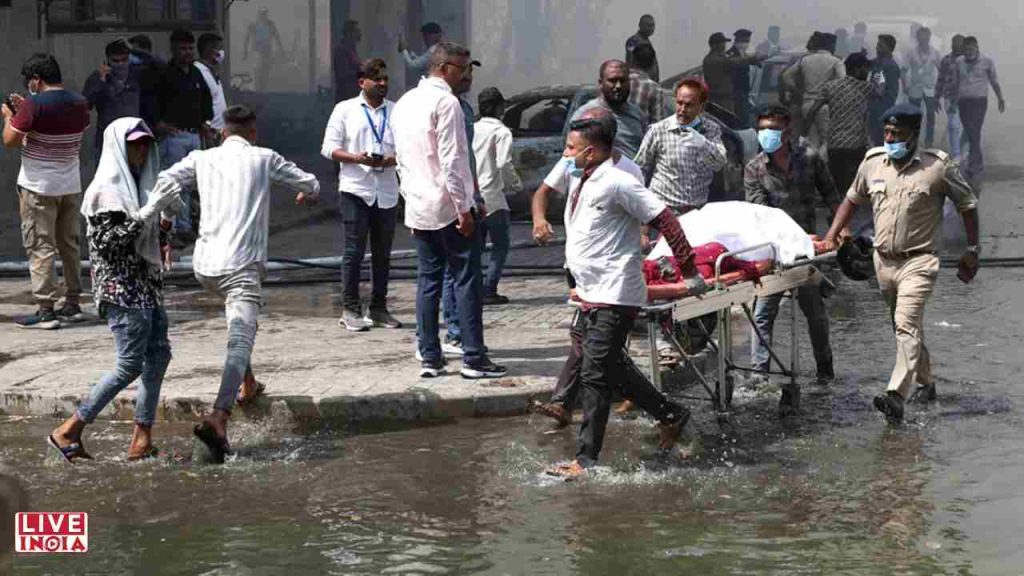
As India and global aviation authorities collaborate to determine the cause of the Flight 171 crash, the tragedy has shaken the nation and the international aviation community. The AAIB’s investigation — supported by U.S. experts — will be critical not only in uncovering what went wrong, but in preventing similar catastrophes in the future.