


From fasting and prayers to spiritual cleansing, here’s everything you need to know about Chaitra Navratri starting March 30 — how it differs from Sharadiya Navratri and what to do (and avoid) during these sacred nine days.
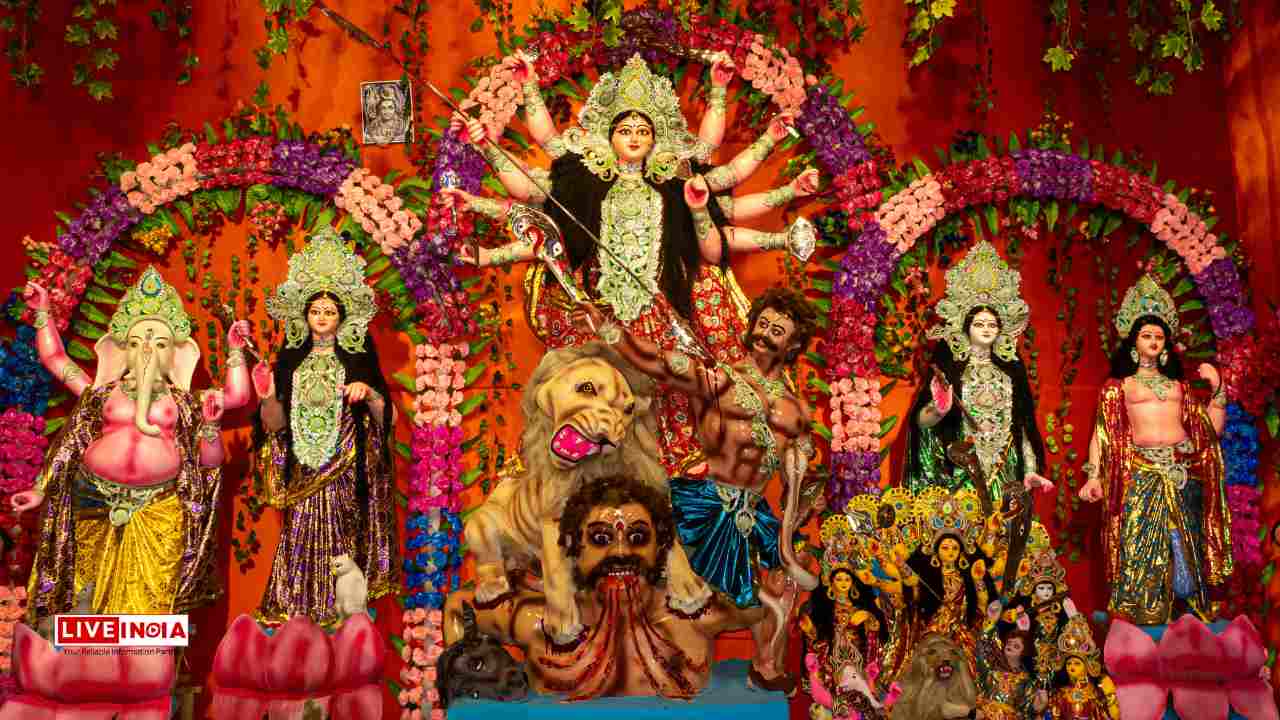
As Chaitra Navratri 2025 begins on March 30, millions of devotees across India will invoke the blessings of Goddess Durga and her nine divine forms. Celebrated during the Chaitra month (March–April), this nine-day festival not only holds immense religious significance but also marks the beginning of the Hindu New Year in several states, including Uttar Pradesh, Maharashtra, and Karnataka.
🌼 What is Chaitra Navratri?
Chaitra Navratri—also known as Vasanta Navratri—celebrates nine forms of Goddess Durga, each worshipped on a specific day. The festival ends with Ram Navami, which marks the birth of Lord Rama. These Navratris emphasize spiritual awakening, inner cleansing, and disciplined living.
This is not to be confused with Sharadiya Navratri, which occurs in September–October, just before Diwali. While both Navratris are equally sacred, Sharadiya Navratri is more focused on Shakti (Power) and destruction of evil, whereas Chaitra Navratri symbolizes creation, renewal, and the beginning of a new cycle.
🙏 The 9 Goddesses Worshipped During Navratri
Each day is dedicated to one form of Navdurga:
- Shailputri – Daughter of the Mountains
- Brahmacharini – Goddess of Penace
- Chandraghanta – Warrior Goddess
- Kushmanda – Creator of the Universe
- Skandamata – Mother of Kartikeya
- Katyayani – Fierce Form of Durga
- Kalratri – Destroyer of Darkness
- Mahagauri – Symbol of Peace and Endurance
- Siddhidatri – Giver of Supernatural Powers
✅ Do’s During Navratri
- Fasting: Many devotees observe partial or full-day fasts. Foods like fruits, sabudana, kuttu atta (buckwheat), singhare ka atta, and sendha namak are consumed.
- Cleanliness: Keep your house and puja space clean. It is believed that the Goddess only enters clean homes.
- Daily Puja & Chanting: Offer prayers twice daily, chant Durga Saptashati, or recite mantras like “Ya Devi Sarva Bhuteshu”.
- Kalash Sthapana (Ghatsthapana): Performed on Day 1 to invoke the Goddess’s presence.
- Offerings (Bhog): Offer coconut, jaggery, milk, honey, and seasonal fruits.
- Charity: Donating food or clothes to the needy is considered highly auspicious.
- Kanya Pujan: On Ashtami or Navami, worship young girls as embodiments of Devi.
❌ Don’ts During Navratri
- ❌ Avoid Non-Vegetarian Food & Alcohol: These are strictly prohibited.
- ❌ Don’t Use Onion or Garlic: Even in daily meals, these tamasic ingredients are avoided.
- ❌ No Haircut or Shaving: Cutting hair or nails is considered inauspicious.
- ❌ Avoid Anger & Negative Thoughts: This is a time of self-purification, both mentally and physically.
- ❌ No Black Clothes: Black is considered inauspicious during religious festivals.
- ❌ Avoid sleeping during the day (especially if you’re fasting) – it reduces the spiritual benefits of vrat.
🔱 How is Chaitra Navratri Different from Sharadiya Navratri?
| Aspect | Chaitra Navratri | Sharadiya Navratri |
|---|---|---|
| Season | Spring (March–April) | Autumn (Sept–Oct) |
| Ends With | Ram Navami (Lord Ram’s birth) | Dussehra (Victory over evil) |
| Focus | New beginnings, creation | Power, protection, destruction of evil |
| Popularity | More observed in North India & Maharashtra | Pan-India celebration, especially in Bengal, Gujarat, and Tamil Nadu |
| Agriculture Link | Marks the start of harvest season | Celebrates post-harvest bounty |
🪔 Conclusion
Chaitra Navratri is not just a festival—it is a spiritual journey that encourages devotees to cleanse their mind, body, and soul while invoking the divine feminine energy. As the Navratri begins tomorrow, take this opportunity to reset your lifestyle, practice mindfulness, and invite peace, prosperity, and strength into your life.