


From Mamata Banerjee to Sunetra Pawar, leadership moments shaped by transition and upheaval
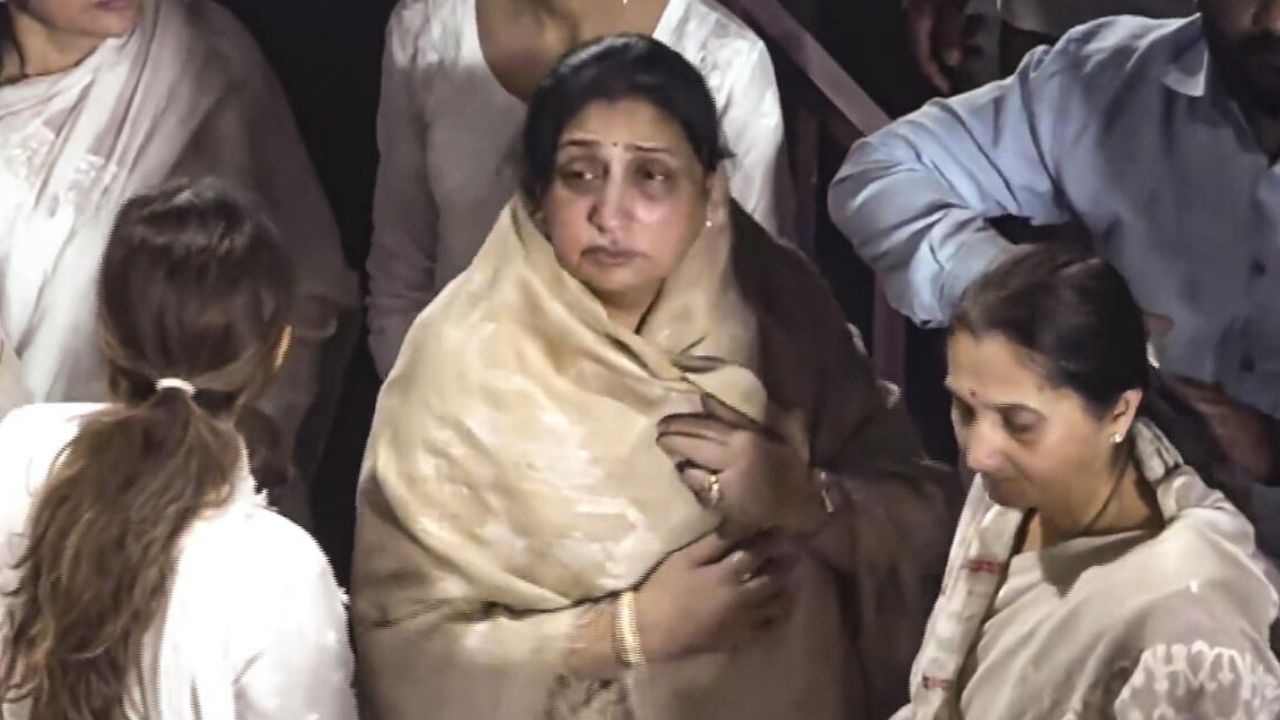
January 31, 2026: Sunetra Pawar’s elevation as Maharashtra’s Deputy Chief Minister has renewed attention on a familiar pattern in Indian politics—women stepping into leadership roles during moments of political or personal transition. Her induction places her alongside a lineage of women leaders who assumed responsibility at defining junctures and went on to reshape power structures, often under intense scrutiny and high expectations.
Leaders such as Mamata Banerjee, Sheila Dikshit, Vasundhara Raje, Jayalalithaa and Mayawati illustrate how crisis or disruption has often preceded the rise of influential women in Indian politics. Mamata Banerjee ended three decades of Left rule in West Bengal through grassroots mobilisation, while Sheila Dikshit oversaw Delhi’s transformation during three consecutive terms. Vasundhara Raje became Rajasthan’s first woman chief minister, Jayalalithaa emerged as the unchallenged centre of power in Tamil Nadu despite legal battles, and Mayawati broke caste and gender barriers to rule Uttar Pradesh multiple times.
Sunetra Pawar’s entry into executive office comes at a moment of transition for both the Nationalist Congress Party and Maharashtra’s political landscape. While her long-term impact remains to be seen, her swearing-in reflects a recurring trajectory in Indian politics—where periods of uncertainty create space for women leaders to step forward, consolidate authority, and potentially redefine leadership on their own terms.