Union Road Transport and Highways Minister Nitin Gadkari has strongly defended India’s ethanol blending programme, saying the country’s push towards alternative fuels is essential for achieving energy security and reducing dependence on imported fossil fuels. His remarks come amid renewed concerns over global oil supplies due to rising tensions in West Asia.
In an exclusive interview, Gadkari said India must accelerate its transition to cleaner fuels, including ethanol, hydrogen and electric vehicles, to strengthen energy self-reliance under the vision of Atmanirbhar Bharat.
Ethanol Not Limited to Food Crops
Responding to criticism that ethanol production diverts food crops away from consumption, Gadkari said the perception is based on a misunderstanding of how biofuels are produced.
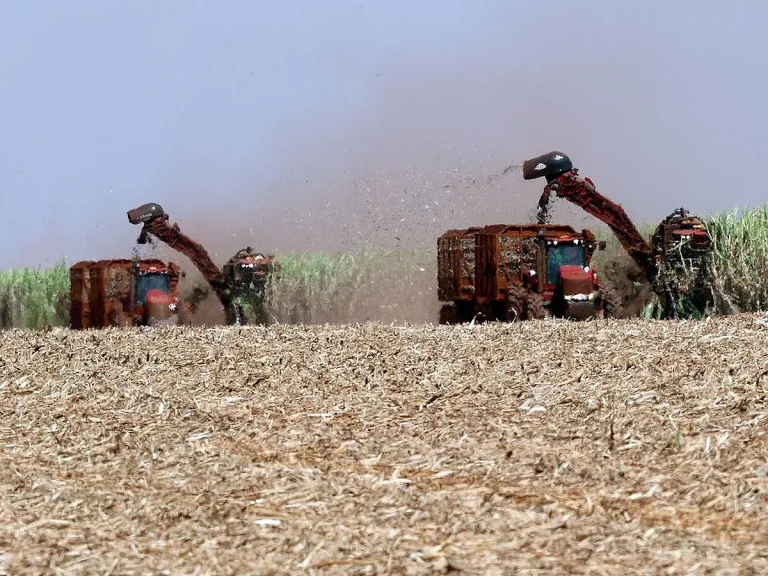
He explained that ethanol can be manufactured from a wide range of feedstocks, including agricultural waste, crop residue and even rotting fruits and vegetables, rather than relying solely on food grains. According to the minister, expanding biofuel production through such sources can improve energy security while also helping reduce pollution.
E20 Fuel Is Safe, Says Minister
Addressing concerns surrounding E20 petrol, Gadkari rejected claims that ethanol-blended fuel causes widespread vehicle problems. He said the government’s transition roadmap has been communicated transparently and that misinformation has created unnecessary confusion.
The minister maintained that both existing and newer vehicles are capable of safely using E20 fuel. He added that mechanical issues can occur in any automobile and should not automatically be attributed to ethanol-blended petrol.
Ethanol Boost Has Helped Farmers
Gadkari also highlighted the economic benefits of promoting ethanol production from maize. He said government policies encouraging ethanol manufacturing have increased demand for the crop, leading to a sharp rise in maize prices and improving returns for farmers.
According to the minister, the ethanol economy has the potential to strengthen rural incomes while simultaneously reducing India’s dependence on imported crude oil.
Reducing Fuel Imports and Pollution
Making the case for alternative fuels, Gadkari said India has spent nearly ₹22 lakh crore on fossil fuel imports since 2004, underscoring the need to develop domestic energy sources.
He also pointed out that a significant share of India’s air pollution is linked to the transport sector, making cleaner fuels an important part of the country’s environmental strategy.
Hydrogen and Electric Vehicles Remain Key Focus
While defending ethanol blending, Gadkari reiterated that it is only one component of India’s broader clean mobility strategy. He said the government is also actively promoting hydrogen-powered mobility and electric vehicles as part of its commitment to achieving carbon neutrality by 2070.
According to the minister, adopting multiple clean fuel technologies will be essential to reducing emissions, improving energy independence and building a more sustainable transport ecosystem.