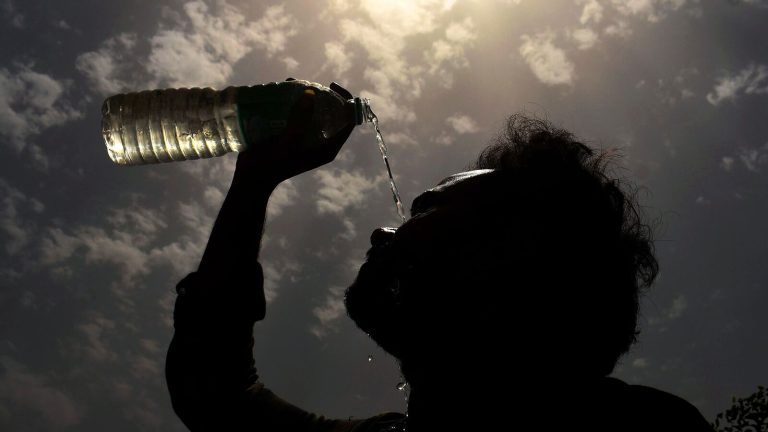
New Delhi: India is once again battling an intense and prolonged heatwave, with temperatures soaring close to 47 degrees Celsius across several parts of the country and authorities warning of a growing risk of heat-related illnesses and fatalities.
The India Meteorological Department (IMD) has said heatwave to severe heatwave conditions are currently prevailing across large parts of central and northwest India. The weather agency warned that the extreme conditions are likely to continue over the next few days, significantly increasing the chances of heatstroke, dehydration and other heat-related medical emergencies.
The warning comes at a time when India has already witnessed a sharp rise in heatstroke-related deaths.
According to data from the National Crime Records Bureau (NCRB), the country recorded 1,832 heatstroke deaths in 2024, making it one of the deadliest years for heat-related fatalities in more than two decades. The toll is second only to 2015, when 1,908 people died due to extreme heat conditions.
The figures highlight a worrying trend. After witnessing a decline during the Covid pandemic years — when heatstroke deaths dropped to 374 in 2021 — fatalities have surged again, underlining the growing danger posed by increasingly frequent and intense heatwaves.
Working-Age Men Most Vulnerable
The 2024 NCRB data also reveals that heatstroke deaths were not evenly distributed across genders and age groups.
Men accounted for a disproportionately high number of fatalities, particularly among working-age adults who are more likely to spend long hours outdoors or in physically demanding conditions.
In the 30-44 age group, 525 men lost their lives due to heatstroke. Among those aged between 45 and 59 years, the death toll climbed even higher to 577.
In comparison, female fatalities in the same age brackets were significantly lower.
Experts say the difference is largely linked to exposure levels, with many men employed in outdoor occupations such as construction, agriculture, transport and manual labour, where prolonged exposure to direct sunlight and extreme temperatures becomes unavoidable.
The trend is visible even among younger adults. In the 18-29 age category, 152 male deaths were recorded, compared to 23 female fatalities, indicating that outdoor activity and work-related exposure remain key risk factors during heatwave conditions.
IMD Warns Of Continued Extreme Conditions
The IMD has maintained that heatwave conditions are expected to persist across several states over the coming days before temperatures begin easing gradually towards the end of the month.
Several regions in north and central India continue to remain under alert as authorities monitor the evolving weather situation.
Health experts have advised people to avoid direct sun exposure during peak afternoon hours, stay hydrated, wear loose cotton clothing and seek immediate medical attention in case of symptoms such as dizziness, nausea, confusion or excessive fatigue.
Relief Expected After May 29
There may, however, be some short-term relief on the horizon.
The IMD has forecast a gradual dip in temperatures from May 29 onwards, which could provide respite to residents struggling under the intense heat conditions.
Still, climate experts warn that the broader pattern remains alarming.
As heatwaves become more frequent, longer and more severe due to changing climate conditions, the human cost of extreme temperatures is also rising steadily — especially for vulnerable groups and those who spend extended hours outdoors.