
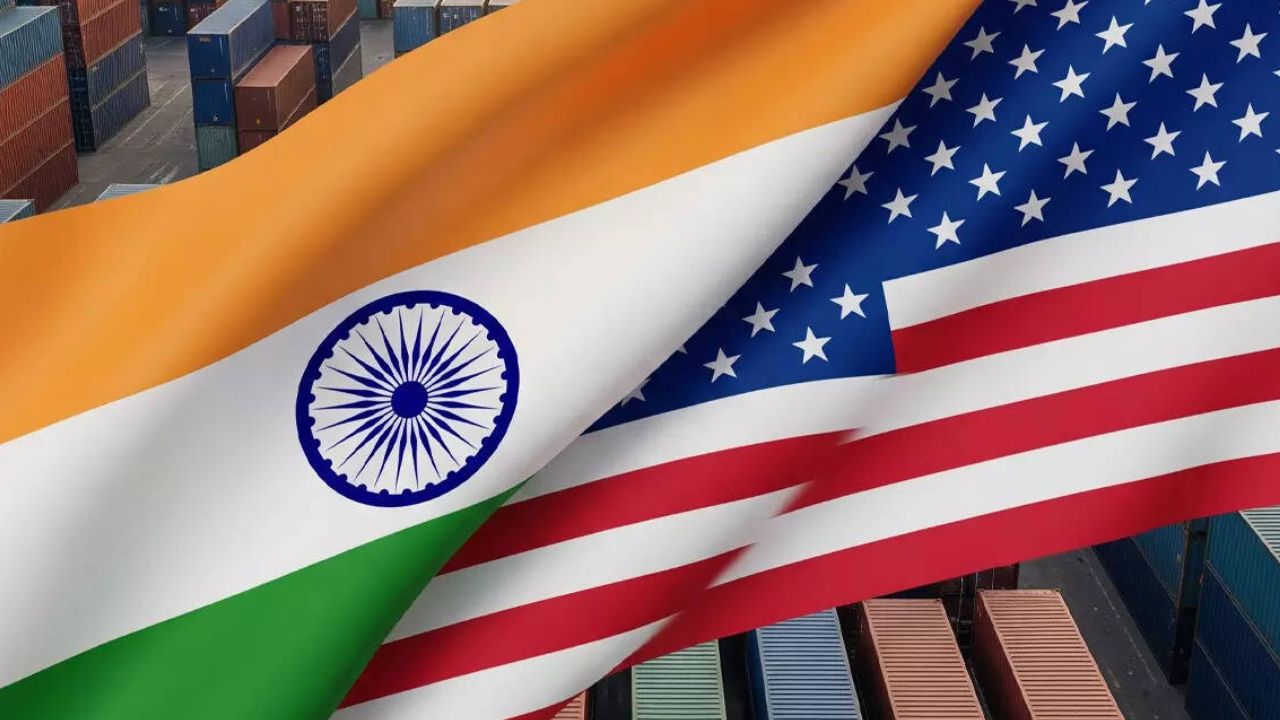


Critics say digital concessions may weaken India’s strategic leverage
February 11, 2026: Amid ongoing discussions around the Union Budget, attention has shifted to a reported trade deal between India and the United States, with concerns emerging over the handling of digital data. The argument being raised is that in the larger geopolitical contest between the US and China, India’s vast population and expanding digital footprint represent one of its most valuable strategic assets. With data increasingly viewed as the backbone of the global digital economy — reflecting consumer behaviour, preferences and economic trends — critics contend that India’s data pool should have been positioned as a key bargaining tool in negotiations.
According to this view, Indian data offers significant economic and geopolitical leverage in the 21st century, comparable to traditional resources such as oil or minerals. The claim is that any agreement with the US should have ensured reciprocal benefits, including safeguards for energy security, protections for farmers and equal digital partnership. Instead, detractors allege that the reported provisions tilt the balance in favour of American tech interests.
Among the concerns raised are claims that India has eased digital trade rules, relaxed data localisation requirements, permitted freer cross-border data flows to the US, limited digital taxation measures and avoided mandatory source code disclosure. Critics argue that such steps could dilute India’s regulatory control over its digital ecosystem and weaken long-term strategic autonomy. However, supporters of freer digital trade maintain that easing restrictions may attract investment and strengthen bilateral economic ties, setting the stage for a broader debate on data sovereignty and global integration.