


AAP MP praises capex push, flags debt and tax gaps, pitches reforms for investors and middle class
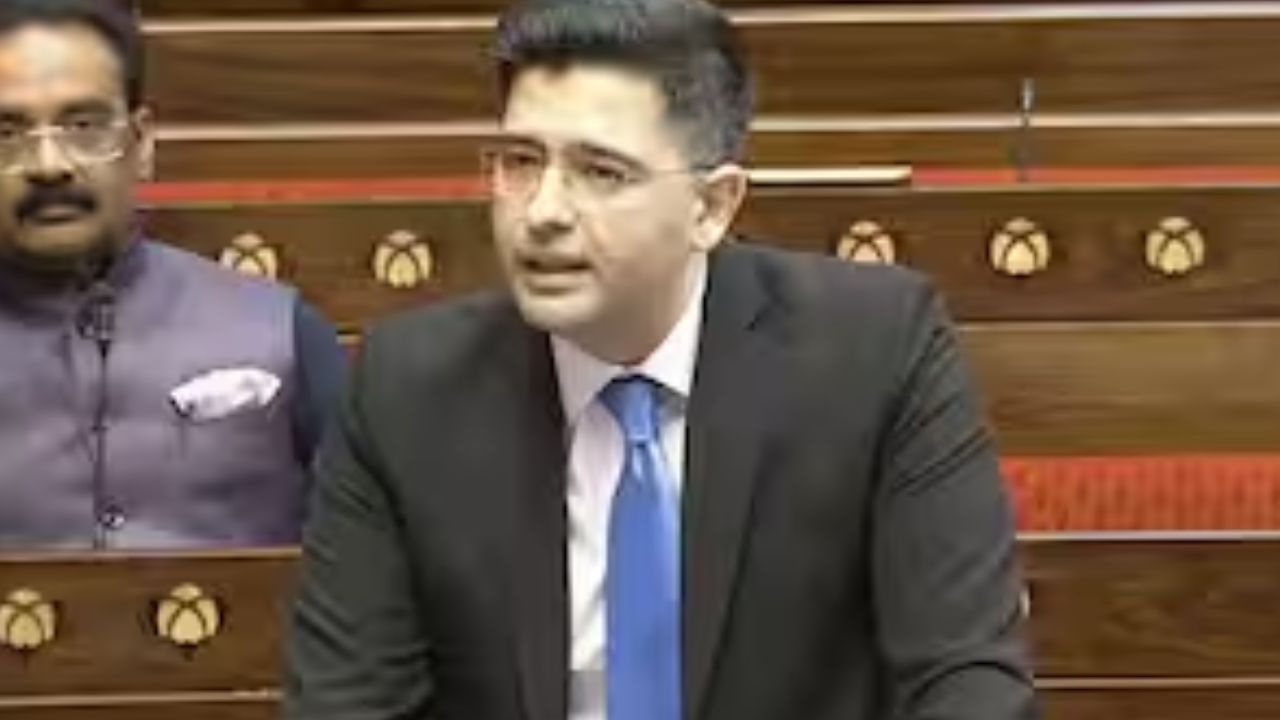
February 10, 2026: Rajya Sabha MP Raghav Chadha on Sunday delivered a detailed, data-driven critique of the Union Budget in Parliament, describing it as “The Good, The Bad and The Way Forward”. While welcoming growth-oriented measures, Chadha flagged structural gaps and fiscal risks, calling for reforms to protect investors and ease pressure on the middle class. He backed the hike in Securities Transaction Tax (STT) on derivatives to curb speculation, noting that nearly 90 per cent of retail investors lose money in futures and options. However, he urged the government to make long-term capital gains (LTCG) tax on equities nil for individuals, arguing that the coexistence of STT and LTCG discourages genuine investment.
Chadha praised the sharp rise in capital expenditure to nearly ₹12 lakh crore, calling it a powerful infrastructure multiplier, but sought a clear five-year sector-wise capex roadmap. He also welcomed higher NRI investment limits but cautioned that deeper structural issues continue to drive foreign capital outflows. On the downside, he raised concerns over the revised debt-to-GDP framework, claiming hidden liabilities push India’s real debt closer to 60 per cent of GDP. The absence of income tax relief for the salaried class drew sharp criticism, with Chadha demanding a higher standard deduction amid rising inflation and living costs. He also flagged low public healthcare spending, calling it “abysmally low” and far below national targets.
Outlining the way forward, Chadha proposed reforms including a blockchain-based land registry to reduce disputes, an inflation-linked salary revision law to protect real wages, and ₹1.5 lakh crore in capex grants to states to boost cooperative federalism. He also called for regulation—not prohibition—of virtual digital assets, warning that policy uncertainty has pushed massive trading volumes offshore. Concluding, Chadha urged the government to balance growth with fiscal discipline, prioritise middle-class relief, and treat economic policymaking as a long-term nation-building exercise rather than a short-term political tool.