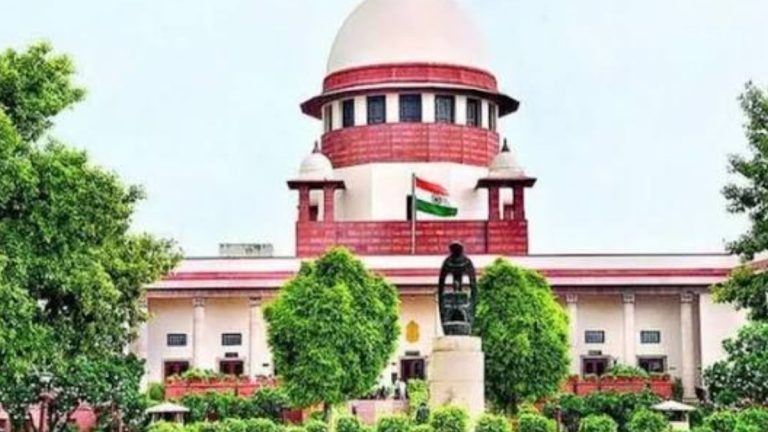
The Supreme Court ruled that livestreamed court proceedings cannot be uploaded, edited, reposted or monetised without prior permission
July 24, 2026: The Supreme Court on Friday passed an interim order prohibiting the unauthorised uploading, editing, reposting or monetisation of livestreamed court proceedings on social media and other digital platforms. A Bench headed by Chief Justice of India Surya Kant, along with Justices Joymalya Bagchi and V. Mohana, directed that any use of audio or video recordings from judicial proceedings would require prior approval from the Registrar General of the concerned High Court or the Secretary General of the Supreme Court. However, the court clarified that the order does not restrict factual media reporting or freedom of speech.
The directions were issued while hearing a public interest litigation (PIL) seeking regulation of courtroom livestreams. The petitioner argued that selective and out-of-context circulation of courtroom clips was damaging the dignity of the judiciary. Justice Joymalya Bagchi observed that while livestreaming promotes transparency, unrestricted circulation of recordings required regulation, adding that courts “cannot be a 24×7 entertainment channel.” The Bench also noted concerns over virtual hearing links being widely shared without any control.
The Supreme Court issued notices to the Centre, Meta, X, and other social media platforms, seeking their response on the circulation of court proceeding videos. During the hearing, Solicitor General Tushar Mehta warned about the misuse of artificial intelligence (AI) to manipulate judges’ and lawyers’ statements. CJI Surya Kant also expressed concern over media reports misrepresenting his observations, clarifying that reports claiming he had refused to hear a plea regarding the July 20 student protest were incorrect because no formal writ petition had been filed.