
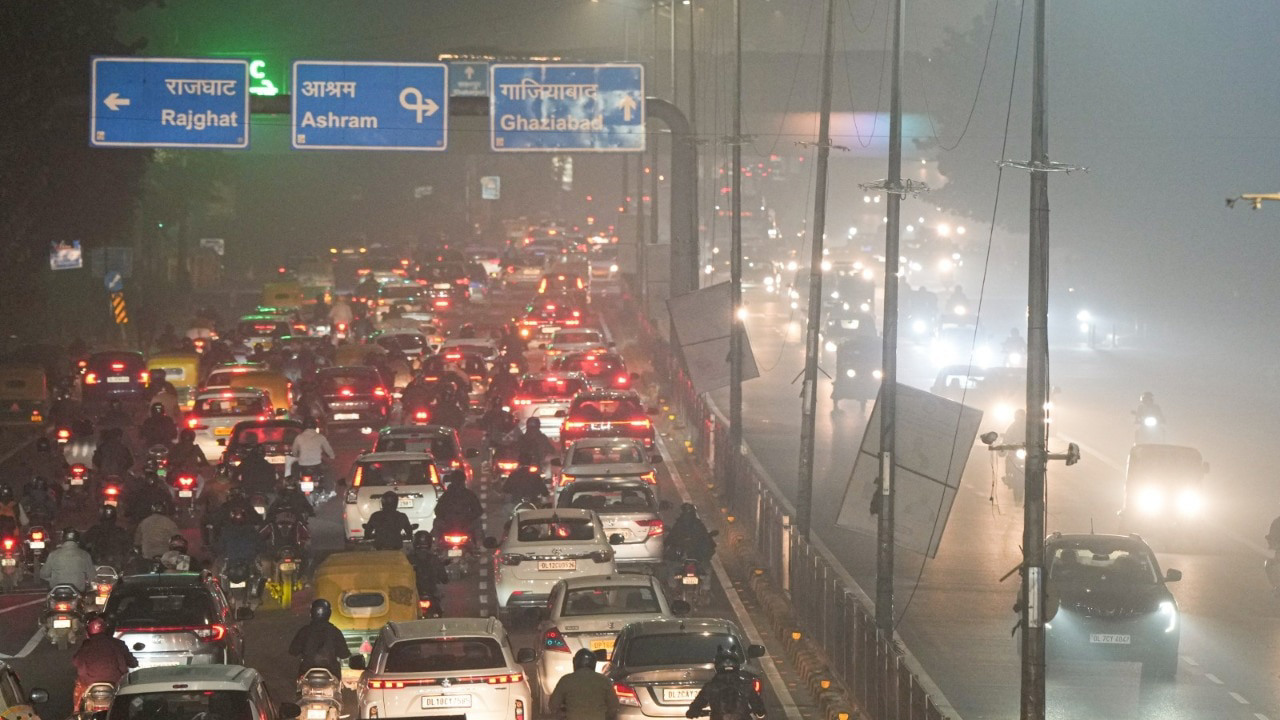


As air quality in the national capital remains in the “very poor” category, the Delhi government has launched a stringent enforcement drive to curb vehicular emissions. On the first day of the ‘No PUC, No Fuel’ initiative, nearly 2,800 vehicles were turned away from petrol pumps for failing to produce a valid Pollution Under Control (PUC) certificate.
Enforcement Highlights
- Total Challans: Enforcement teams from the Transport Department and Delhi Traffic Police issued 3,746 challans within the first 24 hours (ending 6 am Friday).
- Personnel Deployed: A massive force of 210 teams (126 from Traffic Police and 84 from the Transport Department) is stationed at key locations and petrol pumps across the city.
- Refusal of Fuel: Senior officials confirmed that fuel was denied at various pumps after automated number plate recognition and manual checks by police personnel.
The Penalty for Non-Compliance
Driving without a valid PUC certificate in Delhi carries heavy legal and financial consequences.
- Challan Amount: Violators face a fine of ₹10,000.
- Additional Sanctions: In severe cases, the offence can lead to up to six months of imprisonment or community service.
- Insurance Impact: Motor insurance providers in India may also reject claims if the vehicle does not have a valid PUC at the time of an incident.
Understanding PUC Certificates: Fees and Validity
The sudden enforcement led to a 76% surge in PUC certificate issuances in a single day. If you need to renew yours, here is the current structure:
| Vehicle Type | PUC Fee (Approx.) | Validity (BS-IV & BS-VI) | Validity (Pre-BS-IV) |
| Two & Three Wheelers | ₹60 | 12 Months | 3 Months |
| Four Wheelers (Petrol/CNG) | ₹80 | 12 Months | 3 Months |
| Diesel Vehicles | ₹100 | 12 Months | 3 Months |
Air Quality Status
The drive comes as the AQI was recorded at 377 (Very Poor) on Friday afternoon. Environment Minister Manjinder Singh Sirsa emphasized that these measures are critical to provide immediate relief to public health and to ensure that only compliant vehicles ply the city’s roads during the peak pollution season.