
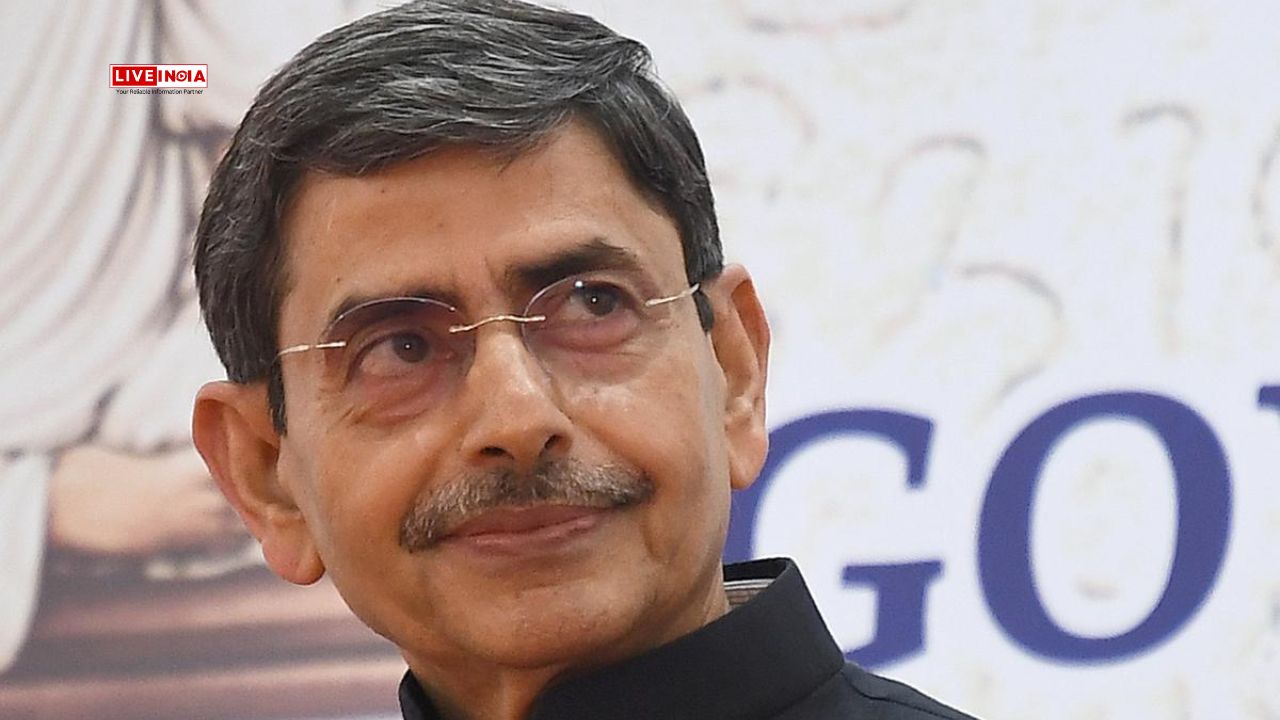


In a major win for MK Stalin’s government, the Supreme Court rules that Governor RN Ravi acted beyond his powers by withholding assent to 10 Bills and reserving them for the President.
April 8, 2025: In a landmark verdict that redefines the balance of power between state governments and Governors, the Supreme Court of India on Tuesday ruled that Tamil Nadu Governor RN Ravi’s move to withhold assent to 10 Bills passed by the state assembly was both “illegal” and “arbitrary”.
Also Read: “It’s Blackmail”: China Vows to Retaliate as Trump Threatens 50% Tariff Hike
Delivering the judgment, a bench comprising Justice JB Pardiwala and Justice R Mahadevan said that the Governor cannot reserve Bills for the President after withholding assent, and termed his action a breach of constitutional protocol.
“All actions taken by the Governor related to these 10 Bills are hereby set aside. These Bills shall be deemed to have received assent from the date they were re-presented to him,” the bench declared.
⚖️ Background & Key Constitutional Takeaways:
The court clarified Article 200 of the Indian Constitution, which gives the Governor three options when presented with a Bill:
Also Read: PM Modi Expresses Grief and Pays Tribute to Manoj Kumar In A Letter To His Family
- Assent to the Bill
- Withhold assent
- Reserve the Bill for the President’s consideration (only under specific constitutional conflicts or national importance)
However, once the state legislature passes a Bill again after reconsideration, the Governor must not withhold assent.
The court emphasized that any delay or misuse of these powers is subject to judicial review and set clear timelines:
- 1 month to act on a Bill (assent/withhold/reserve)
- 3 months if reserved without cabinet advice
- 1 month deadline once the Bill is re-presented
“The Governor must act in alignment with the principles of parliamentary democracy and with the aid and advice of the Council of Ministers,” the court said.
🗣️ Political Reactions:
Tamil Nadu Chief Minister MK Stalin welcomed the decision as a “historic win for state autonomy.”
“This is a victory for Tamil Nadu and for federalism across India,” said the DMK chief.
The verdict comes amid longstanding tensions between Governor RN Ravi and the Tamil Nadu government. Appointed in 2021, the Governor has frequently clashed with the DMK over legislative delays, Assembly protocols, and accusations of political bias.
From refusing to read parts of the state’s address, to walking out during sessions over anthem disputes, Ravi has stirred controversy. The DMK alleges that he has blocked Bills and appointments at the behest of the BJP, a claim Raj Bhavan has denied.
🏷️ Tags:
Supreme Court, Tamil Nadu Governor, RN Ravi, MK Stalin, DMK, Article 200, Indian Constitution, Governor Powers, Tamil Nadu Bills, Supreme Court Verdict, Federalism, Centre-State Relations, Indian Politics, Constitution Bench, Judiciary, State Autonomy