
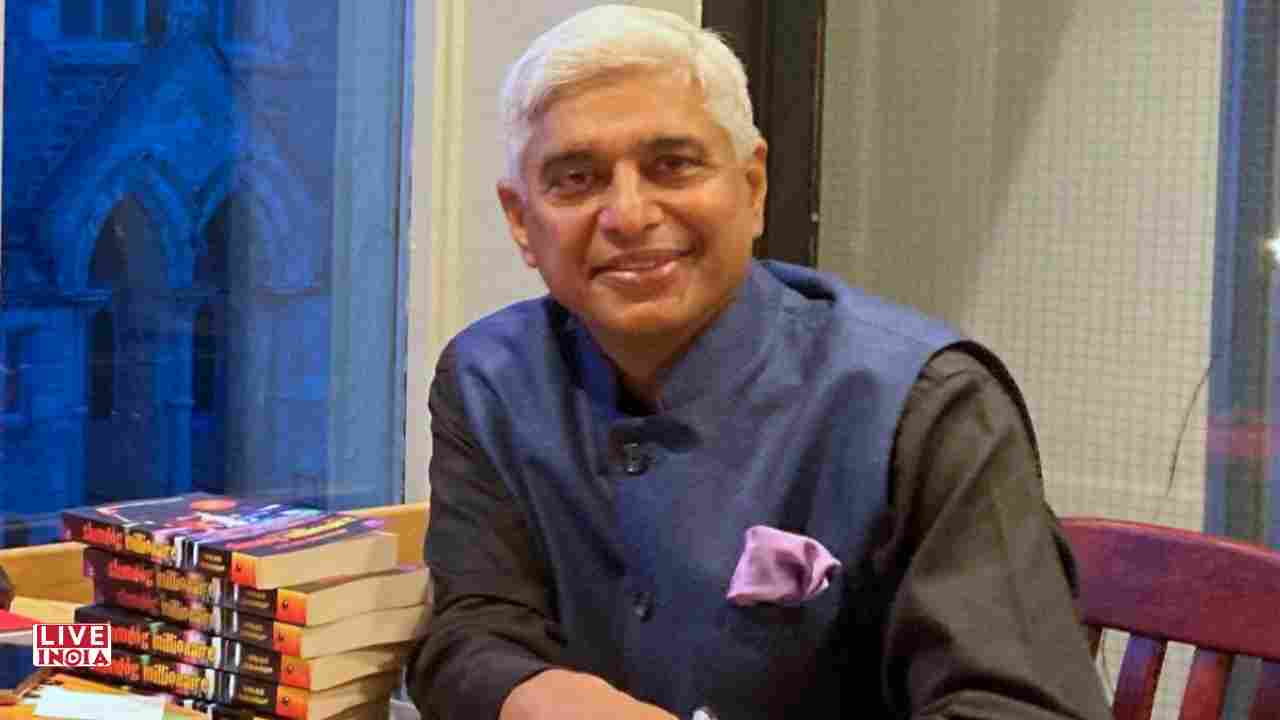


Former diplomat Vikas Swarup stresses India’s principle of strategic autonomy as U.S. imposes steep tariffs, linking India’s trade practices to Russia’s war in Ukraine.
New Delhi, August 30 – Former diplomat and ex-MEA spokesperson Vikas Swarup has strongly asserted that India will never compromise its principle of strategic autonomy, despite the mounting pressure from the Trump administration.
Swarup’s comments came in response to U.S. White House trade advisor Peter Navarro’s sharp remarks, defending President Donald Trump’s decision to slap a 50% tariff on Indian imports. Navarro accused India of “profiting” from discounted Russian oil and indirectly funding President Vladimir Putin’s war in Ukraine.
Speaking to ANI, Swarup acknowledged the strain in New Delhi–Washington ties:
“The current relationship is not in good shape. We all thought that, given the personal relationship PM Modi has developed with President Trump, an India–U.S. trade deal would come quite early. But unfortunately, that has not happened.”
While noting the challenges, he reaffirmed India’s independent stance:
“U.S. officials are trying to put all kinds of pressure on India. But India is a very proud nation. We have always followed the principle of strategic autonomy. We will not be dictated by anyone.”
Despite tensions, Swarup expressed cautious optimism:
“I think time is still there for the two sides to find a mutually acceptable solution. But these comments coming from the Trump administration are certainly not helping the cause.”
Navarro, however, doubled down on his accusations, claiming that India’s trade policies hurt American exporters while benefiting Russia. In a post on X, he wrote:
“President Trump’s 50% tariffs on Indian imports are now in effect. This isn’t just about unfair trade—it’s about cutting off the financial lifeline India has extended to Putin’s war machine.”
Navarro alleged that India buys cheap Russian crude using U.S. dollars earned from exports, refines it with “silent Russian partners,” and then sells it internationally for big profits—all while Russia earns hard currency to fuel its war in Ukraine.
The sharp rhetoric comes even as Russian President Vladimir Putin, during a joint press conference with Trump in Alaska on August 16, highlighted that U.S.-Russia trade had risen by 20% since Trump’s return to office—making Navarro’s targeting of India appear one-sided.
As the war in Ukraine continues to reshape global geopolitics, India finds itself balancing energy security, trade interests, and diplomatic relationships. For now, Swarup’s message is clear: India will not bow to pressure, no matter how high the tariffs climb.