

 newly notified)
Apex court questions caste-based provisions, flags risk of social regression
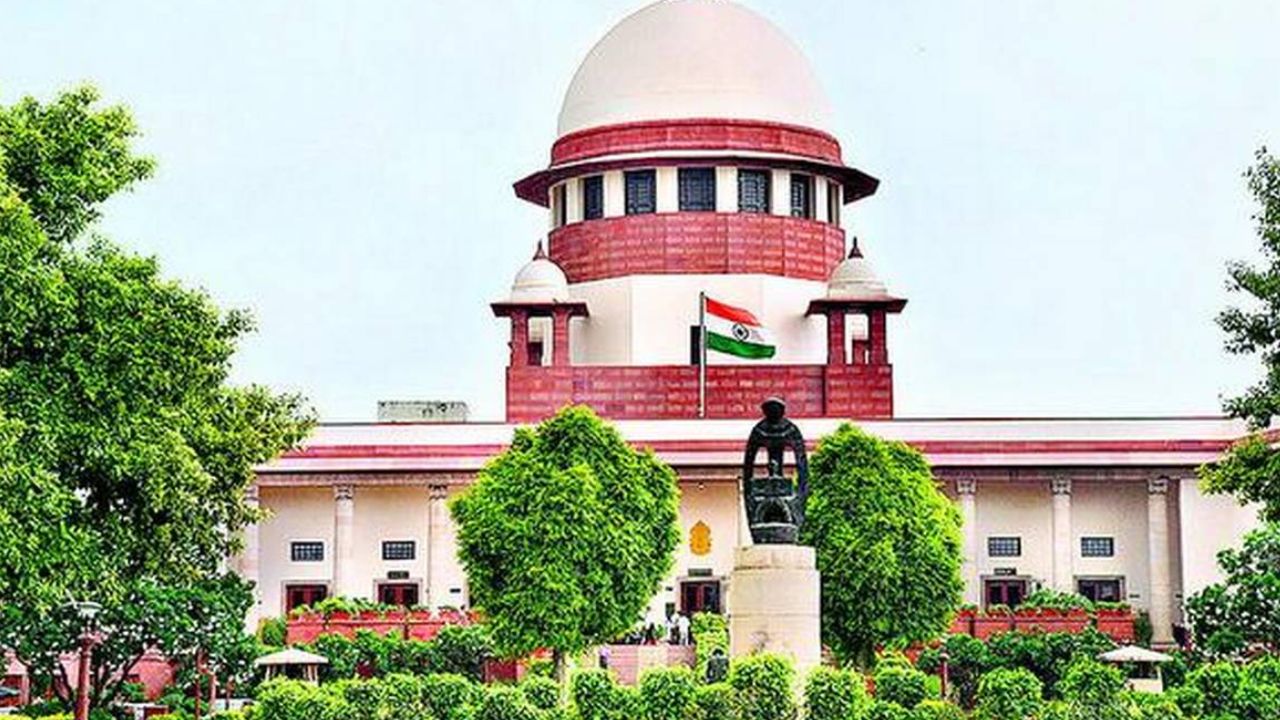
January 29, 2026: The Supreme Court on Thursday raised serious objections to certain provisions of the University Grants Commission’s (UGC) newly notified Equality Regulations 2026, particularly a proposal that could pave the way for caste-based segregation in student hostels. A bench led by Chief Justice of India Surya Kant remarked that such ideas were deeply troubling and ran contrary to decades of social integration in educational institutions. “For God’s sake, don’t do this,” the CJI said, stressing that students of different castes have traditionally lived together and that inter-caste marriages are now increasingly common.
Hearing a petition challenging the regulations, the court questioned the necessity of Section 3(c), which specifically addresses Scheduled Castes, Scheduled Tribes and Other Backward Classes, when Section 3(e) already provides a broad definition of discrimination. The bench observed that discrimination can also occur on regional, cultural and linguistic grounds, citing instances where students from the South or North-East face harassment in other parts of the country. The CJI said the court was examining whether the regulations align with Article 14 of the Constitution, which guarantees equality.
The court also flagged the absence of provisions dealing with ragging, noting that harassment in colleges often stems from senior-junior hierarchies rather than caste alone. Staying the rules for now, the bench asked the Centre to explain why caste-based discrimination was defined separately and why ragging was excluded. The UGC Equality Regulations 2026, notified on January 13, aim to curb caste-based discrimination in higher education but have sparked protests and legal challenges nationwide over fears of misuse and social division.