
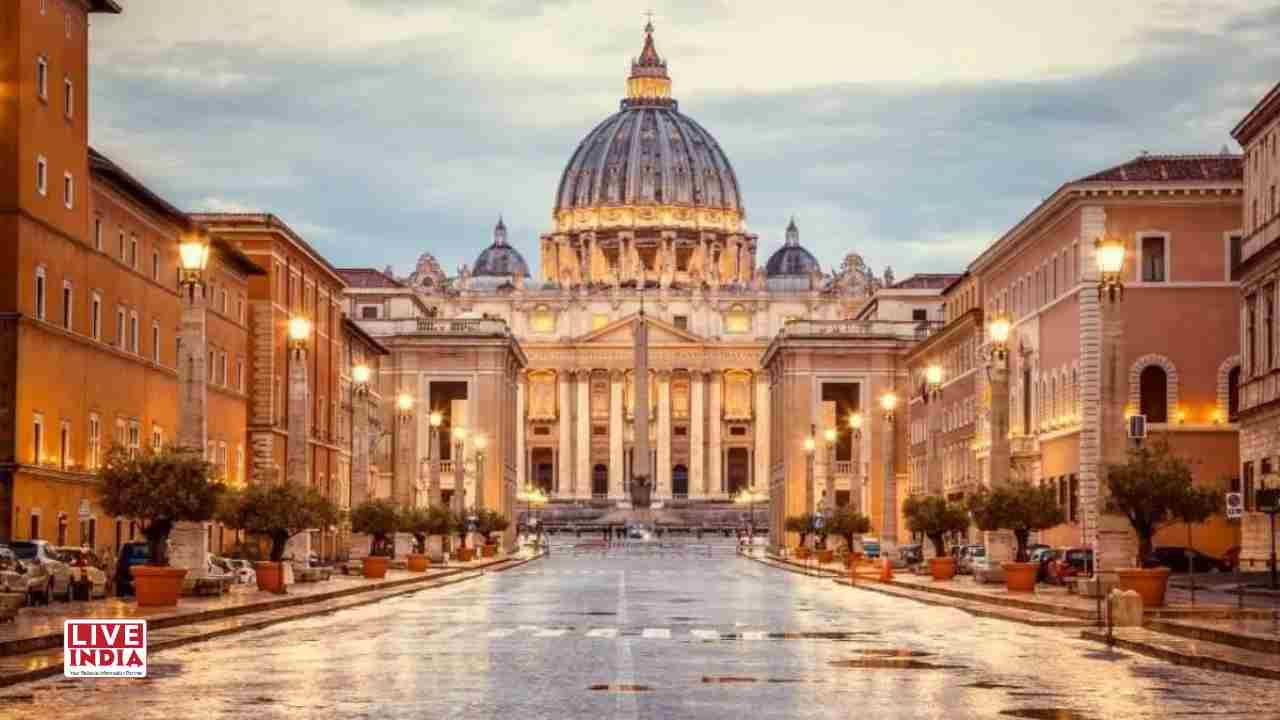


The death of Pope Francis marks the end of a transformative era in the Catholic Church. As the faithful mourn, the Vatican prepares for a solemn conclave to elect the 267th pope.
📍Vatican City | April 21, 2025
Pope Francis, born Jorge Mario Bergoglio on December 17, 1936, in Buenos Aires, Argentina, passed away on April 21, 2025, at the age of 88. He died at the Casa Santa Marta, his Vatican residence, due to complications from double pneumonia, which he had been battling for several weeks.
His death ends a 12-year papacy that reshaped the Catholic Church through bold reforms, social outreach, and a renewed emphasis on humility, compassion, and inclusivity. Francis was not only the first Jesuit pope, but also the first Latin American pontiff, and the first non-European pope in over 1,200 years.
✝️ Rituals Following the Pope’s Death
Immediately after his death was confirmed by Cardinal Kevin Farrell, the Camerlengo (chamberlain of the Holy Roman Church), the traditional rites for the death of a pontiff were set in motion.
- The papal apartments were sealed to prevent unauthorized access.
- The Church entered the “Novemdiales” — a nine-day mourning period filled with daily Masses and prayers for the late pope’s soul.
- Pope Francis’s body will lie in state at St. Peter’s Basilica, where thousands of pilgrims and dignitaries are expected to pay their final respects.
- A state funeral will be held in St. Peter’s Square, likely to draw millions of viewers worldwide and heads of state from every continent.
🕊️ Legacy of Pope Francis
Pope Francis’s legacy is profound and far-reaching. He championed:
- Environmental responsibility, as seen in his encyclical Laudato Si’
- LGBTQ+ inclusivity, declaring that “Who am I to judge?”
- Clerical accountability, particularly in addressing sexual abuse in the Church
- Interfaith dialogue, building bridges with Islam, Judaism, and other Christian denominations
- A more humble papal image, often rejecting papal luxury in favor of simple living
Despite criticism from traditionalist factions, Francis remained committed to transforming the Church from within, focusing on mercy and service rather than dogma alone.
🗳️ The Conclave: Electing the Next Pope
The next step is the conclave, a sacred and secretive process involving cardinal electors under the age of 80. Roughly 120 cardinals are expected to gather in the Sistine Chapel, beginning 15 to 20 days after the pope’s death.
- Cardinals will live in seclusion until a new pope is chosen.
- Voting takes place multiple times daily via secret ballot.
- A two-thirds majority is required to elect the next pontiff.
- The result will be revealed through the age-old symbol:
- Black smoke = no decision
- White smoke = “Habemus Papam” – we have a pope
🔮 Who Will Be the Next Pope?
With two-thirds of the cardinal electors appointed by Francis himself, many expect the next pope to continue his legacy of global outreach and ecclesiastical reform. Some names being informally discussed include:
- Cardinal Pietro Parolin (Italy) – Vatican Secretary of State
- Cardinal Luis Antonio Tagle (Philippines) – A prominent voice for the Global South
- Cardinal Jean-Claude Hollerich (Luxembourg) – Advocate for pastoral reform in Europe
- Cardinal Wilton Gregory (USA) – The first African-American cardinal
Regardless of who is chosen, the new pope will inherit not just the spiritual leadership of 1.3 billion Catholics, but also a Church grappling with modern challenges—climate change, declining vocations, sexual abuse scandals, and shifting demographics.
📌 Tags:
Pope Francis, Death of Pope, Vatican News, Catholic Church, Jorge Mario Bergoglio, Pope Death Rituals, Papal Funeral, Papal Conclave, New Pope, Cardinals, Camerlengo, St. Peter’s Basilica, Catholicism, Vatican