


The Lok Sabha passed the Viksit Bharat Guarantee for Rozgar and Ajeevika Mission (Gramin), or the VB-G RAM G Bill, on Thursday. The new legislation is set to replace the UPA-era Mahatma Gandhi National Rural Employment Guarantee Act (MGNREGA), the long-standing cornerstone of rural employment in India.
Key Provisions of the Bill
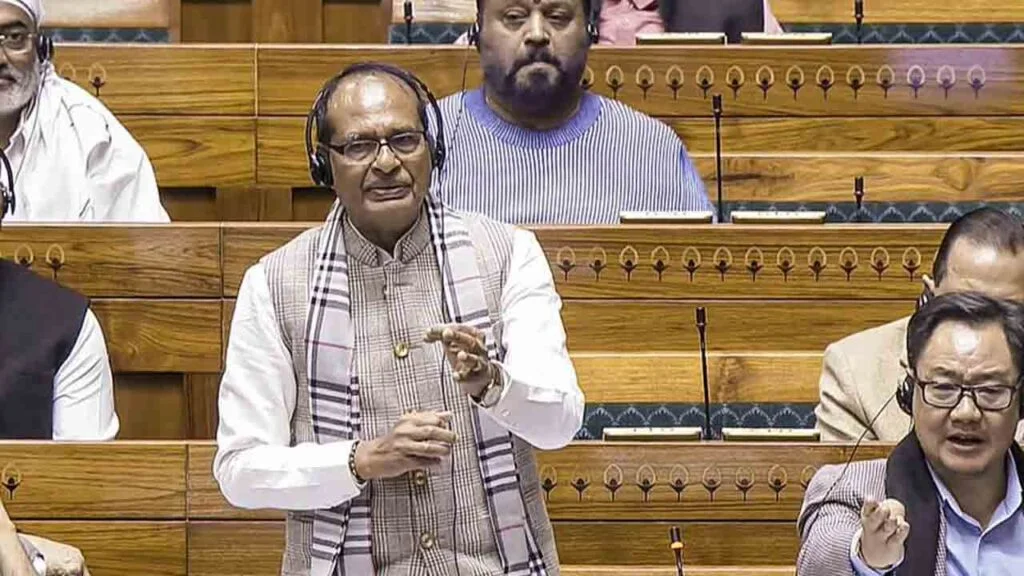
Introduced by Rural Development and Agriculture Minister Shivraj Singh Chouhan on December 16, the VB-G RAM G Bill introduces several shifts in policy:
- Increased Work Guarantee: The bill provides a statutory guarantee of 125 days of wage employment per year, an increase from the 100-day baseline established under MGNREGA.
- Funding: The government has allocated ₹95,000 crore for the initiative.
- Objective: The mission aims to modernize rural livelihood support under the broader “Viksit Bharat” (Developed India) framework.
Chaos in the House
The bill was passed via a voice vote amidst heavy disruption. Opposition MPs entered the well of the House, shouting slogans and tearing copies of the legislation in protest.
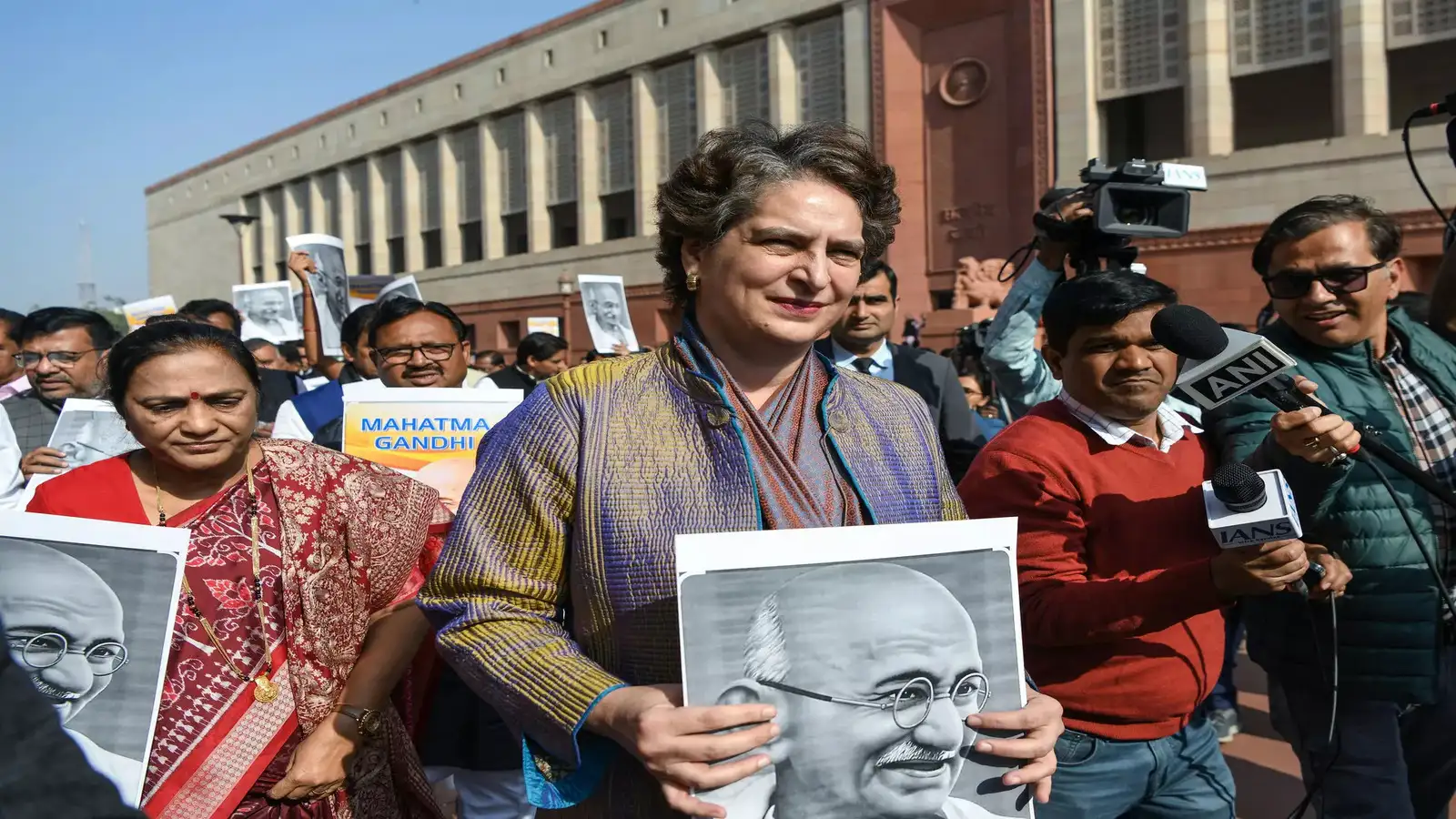
The Congress-led opposition has criticized the move, arguing that removing Mahatma Gandhi’s name from the scheme is a symbolic affront. Congress President Mallikarjun Kharge stated on X (formerly Twitter) that the government has “crushed the right to work” and insulted the Father of the Nation by withdrawing the original Act.
Comparison with MGNREGA
While MGNREGA guaranteed 100 days of work (with provisions for states to extend it and the NDA previously extending it to 150 days for ST communities in forest areas), the new VB-G RAM G Bill sets a higher national statutory floor. However, the transition has sparked a heated debate over the dilution of the original Act’s legal provisions and its historical legacy.