
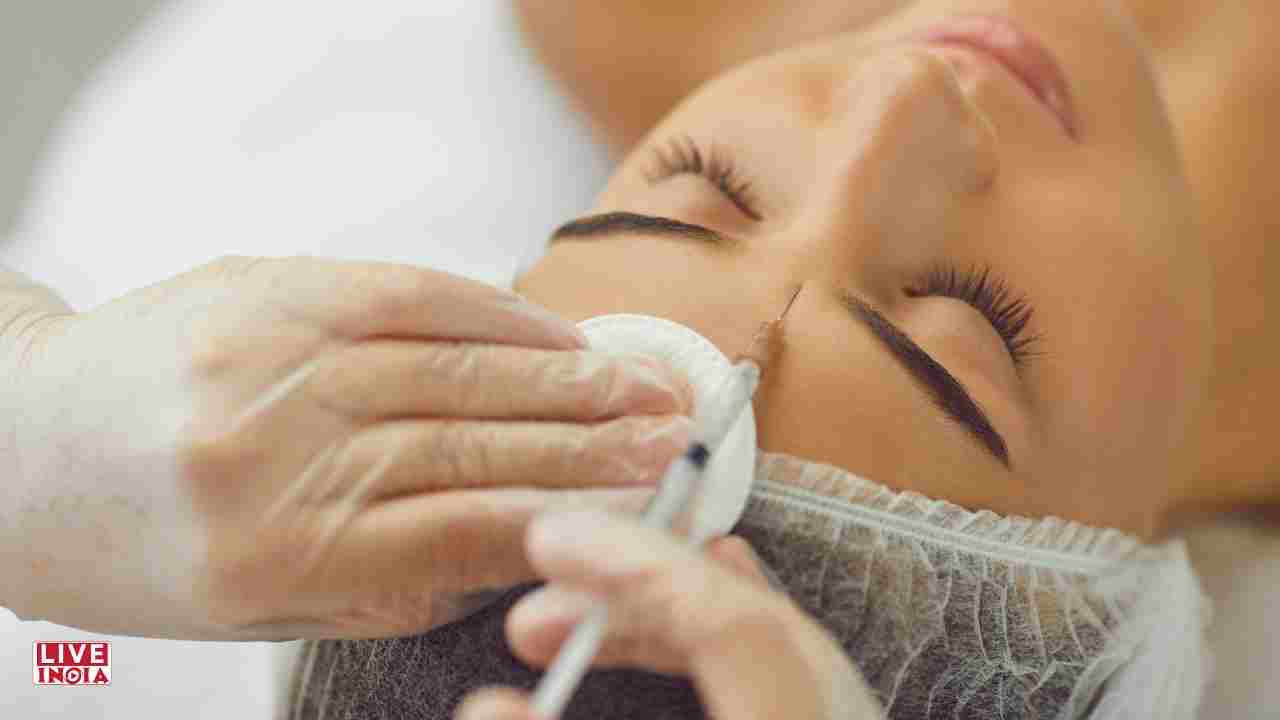


Doctors warn of potential cardiac risks and unverified claims as speculation grows around the role of anti-ageing injections in the actor’s sudden death
The untimely death of Shefali Jariwala at 42 has sent shockwaves across the country — not just because of her fame, but because of growing concerns over anti-ageing injections. The Kaanta Laga actor and model reportedly passed away on June 27 in Mumbai, with multiple reports suggesting a possible link between her death and an anti-ageing treatment taken on an empty stomach.
While the exact cause of her death remains under investigation, early accounts point to low blood pressure, cardiac arrest, and gastric complications. Eyebrows have been raised about whether these symptoms were triggered by an anti-ageing injection, specifically glutathione, a popular antioxidant treatment marketed for its skin-lightening and rejuvenating effects.
Medical Experts Weigh In: Are Anti-Ageing Injections Safe?
In a conversation with HT Lifestyle, two senior doctors from Manipal Hospitals — Dr. Jyoti Kusnur, Consultant Interventional Cardiologist, and Dr. Karthik Shrinivas Tallam, Senior Consultant in Plastic and Reconstructive Surgery — shared their insights on the growing but controversial use of anti-ageing injections.
“There is no proven research in medical literature substantiating the existence of any ‘anti-ageing therapies’,” said Dr. Jyoti Kusnur, emphasizing that while such injections are promoted by beauty consultants, their medical effectiveness remains unverified.
These treatments range from Botox (widely used for wrinkle reduction) to glutathione IV injections, which act as antioxidants. Dr. Kusnur warned that unsupervised or non-medically indicated treatments carry serious risks.
“Without verified data on the formulation, production, and effects of these substances, it’s hard to predict the damage they can cause. Additives may lead to allergic reactions or even anaphylaxis, dropping blood pressure to fatal levels and possibly triggering cardiac arrest,” she said.
Do Anti-Ageing Treatments Really Work for Everyone?
According to Dr. Karthik Shrinivas Tallam, it’s debatable whether anti-ageing treatments provide consistent results, and individuals should always consult medical professionals before undergoing such procedures.
He explained the common types:
- IV injections (like glutathione) are touted to reduce cell oxidation, a process associated with ageing.
- Skin or subcutaneous injections include Botox and dermal fillers, both FDA-approved and generally safe when performed by trained professionals.
“These treatments might bring temporary glow or skin lightening, but no study has proven an increase in life span,” Dr. Shrinivas added.
He cautioned that even certified treatments come with risks like allergic reactions and anaphylaxis, especially in individuals with unknown sensitivities. That’s why such procedures should only be done at reputed hospitals equipped to handle complications.
“Treatments performed in medically equipped settings, by qualified doctors, come with the lowest risk — but also higher costs. Never opt for procedures at unregulated clinics or salons,” he advised.
The Larger Conversation: Beauty, Safety, and Misinformation
Shefali Jariwala’s passing has reignited the debate on the cosmetic industry’s booming but loosely regulated offerings, especially among younger individuals seeking quick fixes to aging or skin appearance.
Doctors urge the public to remember that no anti-ageing treatment is risk-free, and the allure of instant results should not outweigh concerns about safety, medical supervision, and scientific evidence.
Note to readers: This article is intended for informational purposes only and is not a substitute for medical advice. Always consult a licensed healthcare provider before undergoing any cosmetic or medical procedure.