
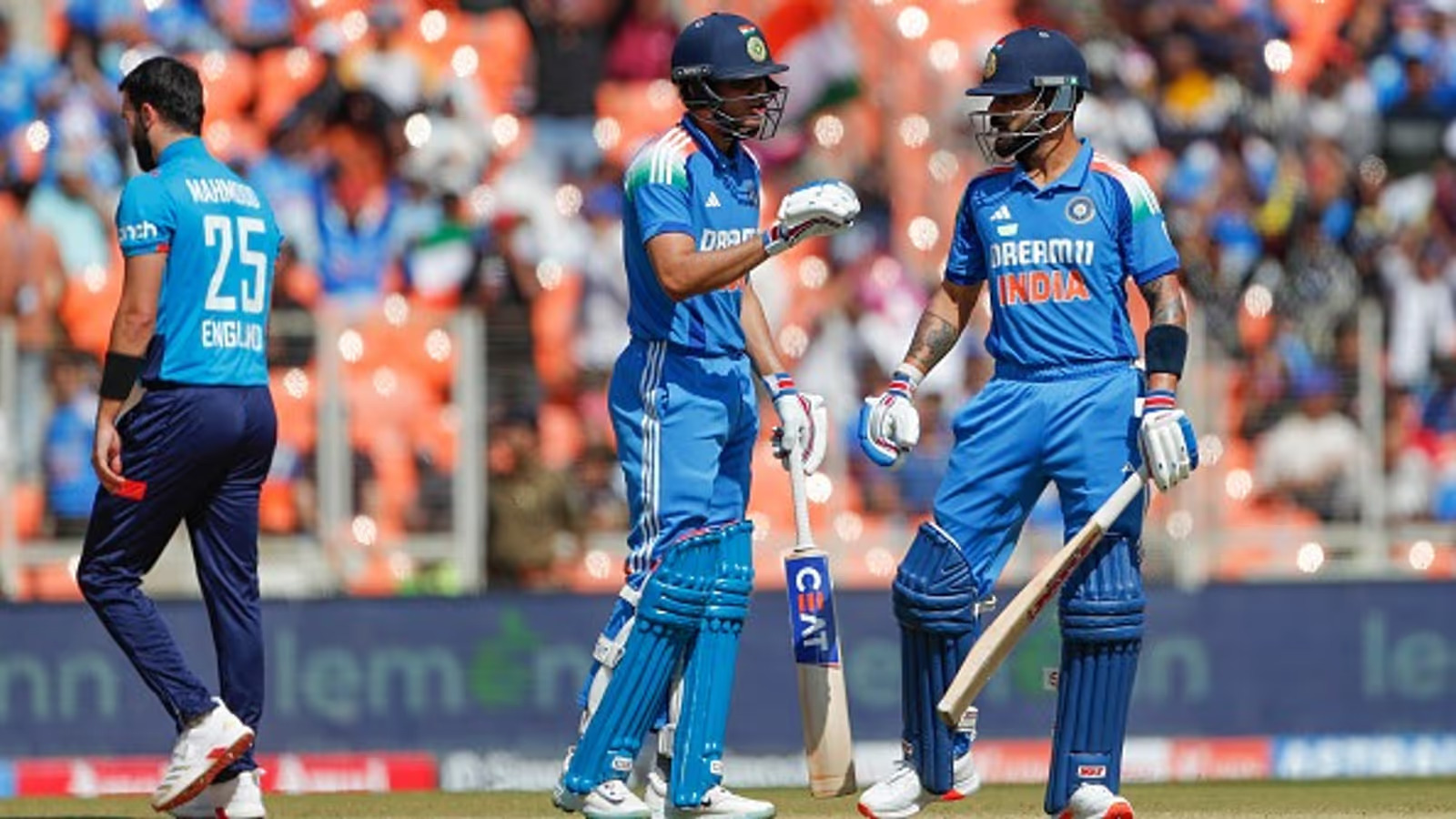


February 13, 2025: India’s dominant 3-0 series victory over England left no room for doubt about their superiority, but one aspect of their batting order sparked considerable debate.
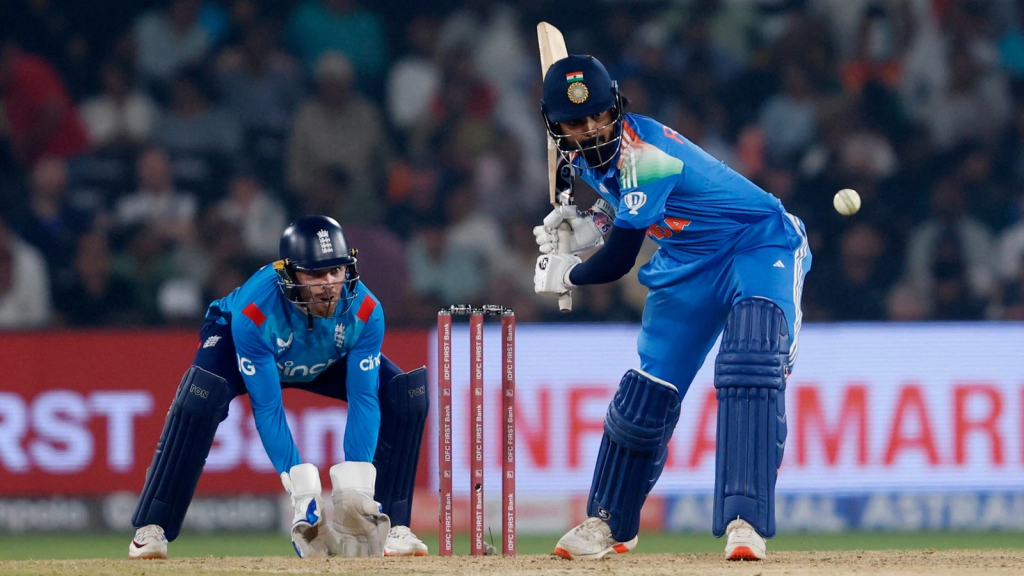
In two of the successful chases, all-rounder Axar Patel was promoted up the order, which left KL Rahul with minimal involvement. This decision, which seemed influenced by head coach Gautam Gambhir’s preference for a right-left combination in the middle order, drew scrutiny from commentators and analysts.

Addressing the criticism, Gambhir defended the strategy, stressing that adaptability in the batting order is essential for modern cricket. During a press conference, Gambhir explained, “That’s the way cricket is meant to be played. I know a lot of people talk about it, but that’s the way we’ve got to play the game. It’s not about the batting order; it’s about who can create the most impact in the middle.”
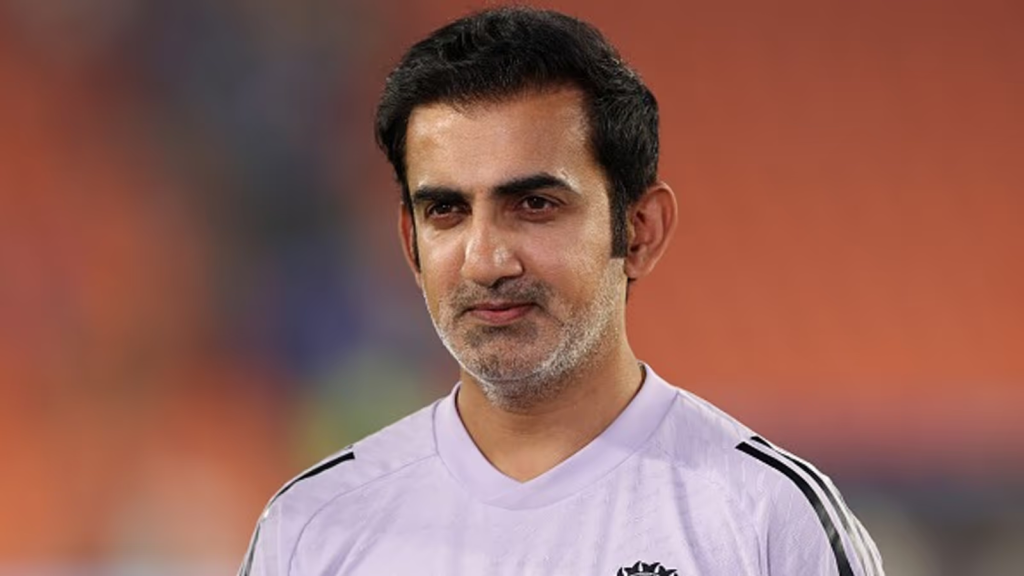
He added that his approach is driven not by conventional statistics, but by the impact a player can make in specific situations. “Why would you want a top five consisting only of right-handers?” Gambhir questioned. “We don’t look at averages and stats; we look at who can deliver more at a particular number. Axar has done fabulously well. In both games where he got the opportunity, he delivered for us. There will always be talk, but this is the direction we want to take moving forward.”
Gambhir further highlighted that the strategy strengthens India’s batting depth, ensuring a well-rounded team composition. “If Axar is batting at five, it lengthens the batting, with KL [Rahul] at six, Hardik [Pandya] at seven, and Jaddu [Ravindra Jadeja] at eight. Jaddu is a world-class batter, and I don’t think you can consider him a tail-ender. If you can bat till number eight, it’s always a great luxury, plus we have six quality bowling options.”
He emphasized the value of a left-hander in the middle order, noting that it can break up the dominance of right-handers. “We just wanted a left-hander in the middle to break the top five right-handers,” Gambhir said.
While the strategy has sparked divided opinions, Gambhir remains confident that such flexibility will benefit India in the long run, especially with crucial tournaments like the Champions Trophy on the horizon. Whether this tactical shift becomes a long-term blueprint for the Indian team remains to be seen, but it is clear that Gambhir’s approach is rooted in flexibility and creating a balanced team.