
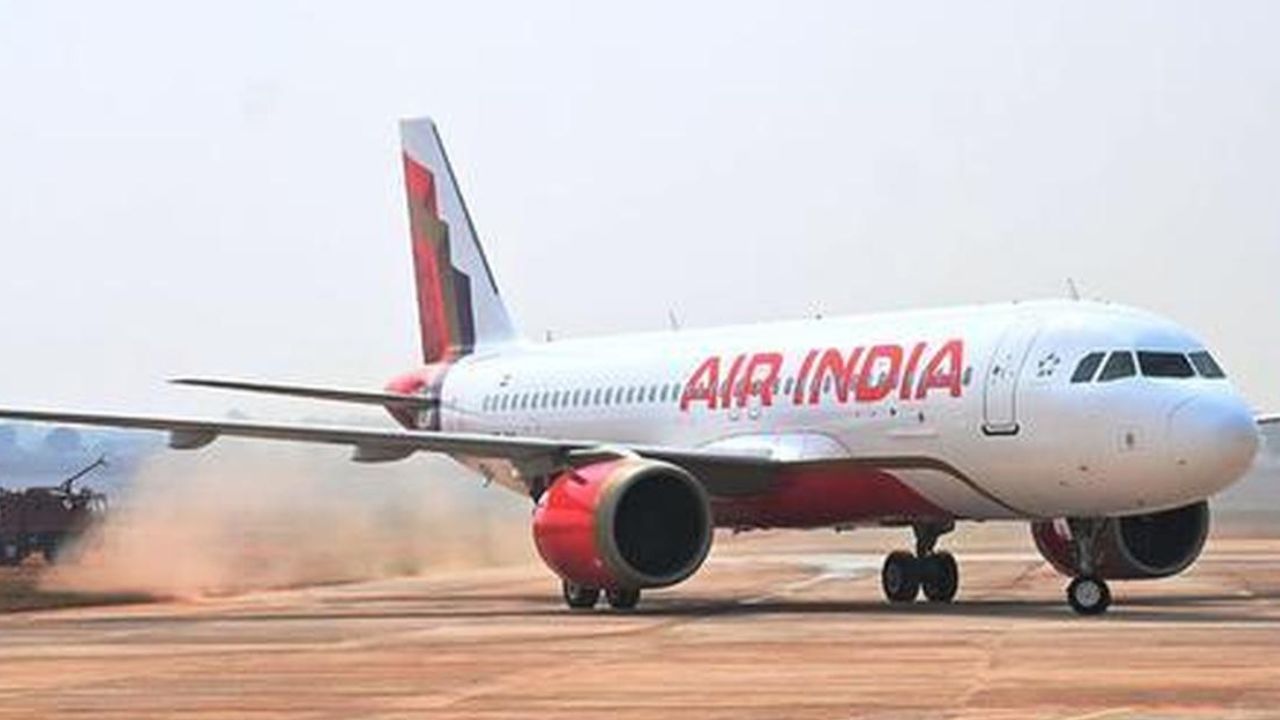


Global carriers including Air India, IndiGo and United Airlines hike fares and cut flights as jet fuel prices surge due to Iran–Israel tensions.
April 10, 2026: A sharp surge in jet fuel prices—triggered by escalating tensions linked to the Iran–Israel tensions—is forcing airlines worldwide to raise fares, introduce fuel surcharges and rethink expansion plans. Fuel costs have jumped from around $85–$90 per barrel to as high as $150–$200 in recent weeks, putting immense pressure on an industry where fuel accounts for nearly a quarter of operating expenses.
Major carriers such as Air India, IndiGo and United Airlines have responded by increasing ticket prices and adding surcharges across routes. Many are also raising baggage and service fees to offset rising costs, while simultaneously reviewing financial forecasts and delaying expansion plans.
Several global airlines have already taken decisive steps. AirAsia has cut 10% of its flights and imposed a fuel surcharge of about 20%. Air France-KLM plans to increase long-haul fares, while Air New Zealand has reduced flights and suspended its earnings outlook due to market volatility.
In India, Air India has shifted to a distance-based fuel surcharge model, with additional charges ranging from ₹299 to ₹899 on domestic routes. Akasa Air and IndiGo have also introduced or increased fuel surcharges, with some long-haul international routes seeing additional costs of up to ₹10,000 per sector.
Meanwhile, US carriers like Delta Air Lines and American Airlines have raised baggage fees and trimmed passenger benefits, while United Airlines plans to cut unprofitable routes in anticipation of sustained high fuel prices.
Other airlines, including Pakistan International Airlines and Lufthansa-linked SunExpress, have also announced fare hikes and temporary surcharges, signalling a widespread industry response.
As the crisis continues, airlines are focusing on cost-cutting, efficiency, and capacity adjustments. With global markets closely watching oil price trends, the coming months could determine whether fares stabilise or climb even higher, making air travel significantly more expensive for passengers worldwide.