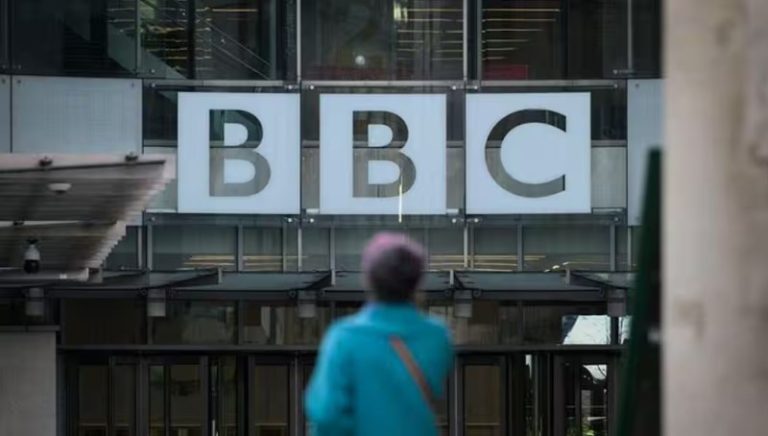
The BBC is preparing to implement its most drastic workforce reduction since 2011, with reports indicating that 2,000 jobs—approximately 10 percent of its UK staff—will be cut. The announcement comes at a pivotal moment for the British broadcaster as it awaits the arrival of its new director-general, former Google executive Matt Brittin, who is scheduled to take the helm next month.
Interim Director-General Rhodri Talfan Davies reportedly informed senior staff of the decision during a meeting on Wednesday, April 15, 2026, with a formal all-staff briefing expected later this afternoon.
The £600m Survival Plan
The layoffs are the centerpiece of a massive £600 million cost-cutting initiative announced in February. Outgoing Director-General Tim Davie had previously signaled that the corporation must slash its annual £6 billion cost base by 10% over the next three years to combat “substantial financial pressures.”
Key drivers for the downsizing include:
Digital Transformation: Shifting resources from traditional linear broadcasting to digital-first content to compete with global streaming giants.
Charter Renewal: The BBC is currently in high-stakes negotiations with the UK government over its Royal Charter, which expires at the end of 2027.
Inflationary Pressure: Rising production costs and a freeze on the license fee have created a significant funding gap.
An “Endangered Species”
The job cuts underscore a grim warning issued by media regulator Ofcom in 2025, which described traditional public service television in the UK as an “endangered species.” As audiences migrate to platforms like Netflix, Disney+, and YouTube, the BBC has been forced to make “painful choices” regarding its programming and headcount.
Beyond job losses, the BBC is expected to cancel several long-running programs and consolidate regional services to streamline its operations.
Matt Brittin’s “Critical Phase”
The appointment of Matt Brittin is seen as a strategic move to infuse the BBC with tech-sector expertise. However, Brittin will inherit an organization in the midst of a morale crisis and internal unrest. His primary challenge will be to modernize the BBC’s delivery systems while maintaining its reputation for impartial, high-quality journalism—all while operating with a significantly leaner workforce.