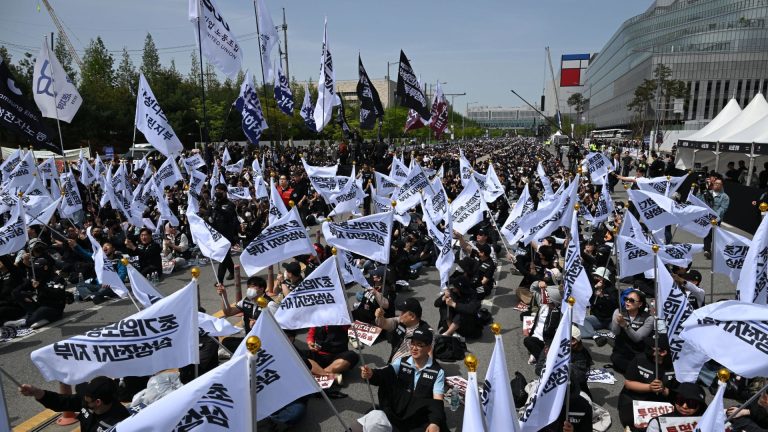
In a dramatic eleventh-hour twist, Samsung Electronics and its primary labor union reached a tentative agreement late Wednesday night, successfully averting what was set to be a historic, highly disruptive 18-day strike.
Taipei Times
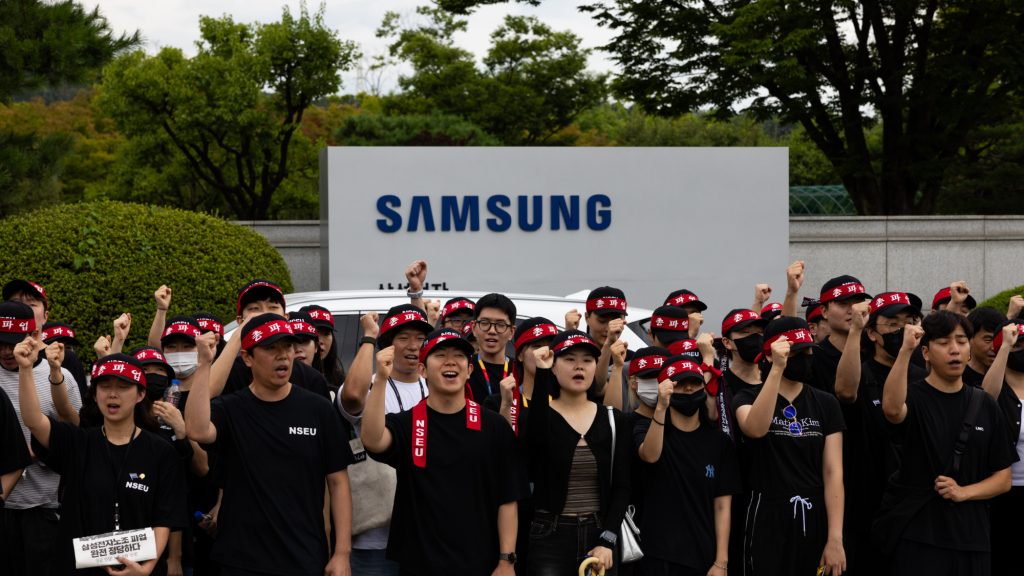
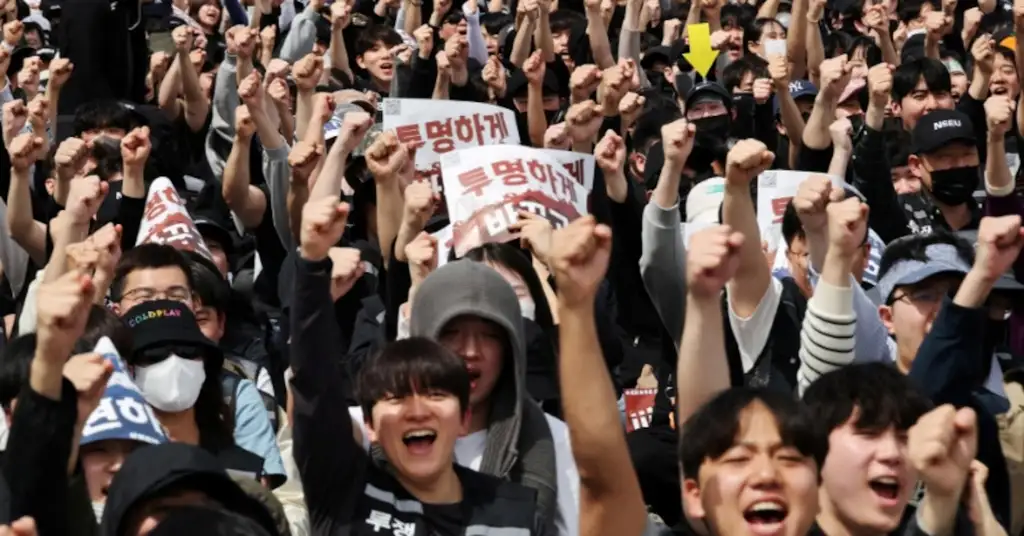
Earlier in the day, negotiations mediated by the government had completely collapsed, and union leadership had officially announced that 48,000 workers would walk out on Thursday, May 21. However, facing immense pressure from the public and the highest levels of government, both sides returned to the table late Wednesday night to hammer out a deal.
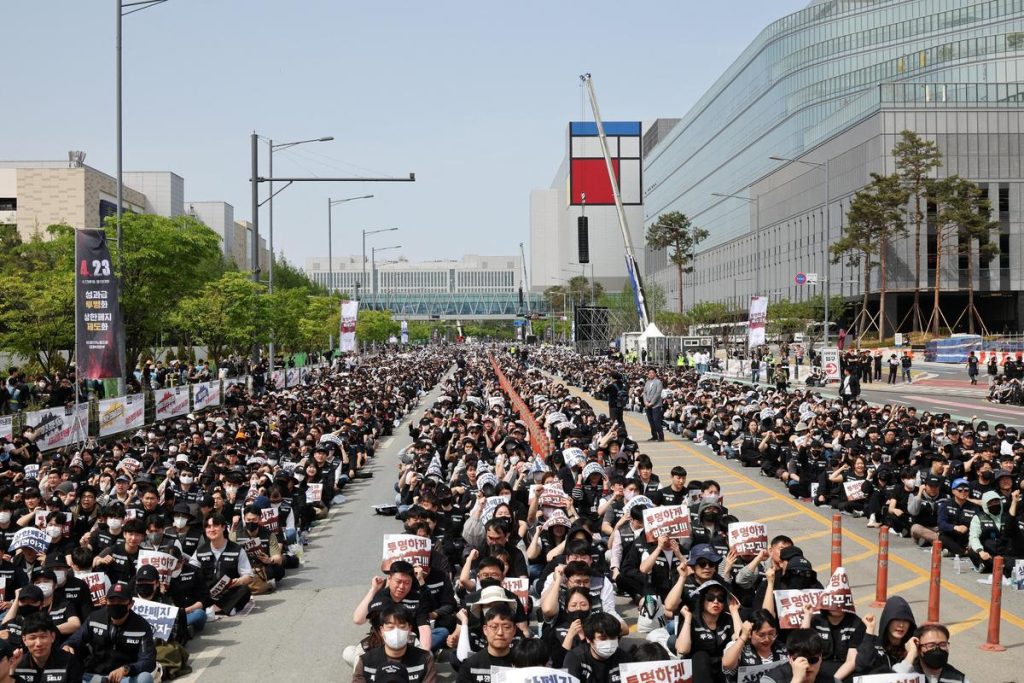
The union has officially suspended the general strike scheduled from May 21 to June 7. Union members will now vote on whether to officially ratify the tentative 2026 wage and bonus agreement between May 23 and May 28.
Why the Strike Set to Happen: The Bonus Standoff
The core of the bitter dispute centers on how wealth generated from the ongoing artificial intelligence (AI) infrastructure boom should be shared with the workforce. Samsung workers have grown increasingly frustrated over a widening pay and bonus gap with their cross-town rival, SK Hynix.
Last year, SK Hynix took a dominant lead in supplying high-bandwidth memory (HBM) chips to Nvidia and agreed to permanently allocate 10 percent of its annual operating profit to an employee performance bonus pool. As a result, SK Hynix employees took home bonuses that were more than triple what Samsung workers received, prompting a surge in Samsung union enrollment.
The Core Negotiation Points
- Union’s Original Demand: Abolish the 50% salary bonus cap; allocate 15% of annual operating profit to bonuses permanently.
- Management’s Position: Citing the highly cyclical nature of the chip market, management called the 15% demand “unacceptable,” particularly regarding high payouts for loss-making logic chip divisions.
- The Middle Ground: While full terms of the late-night breakthrough are yet to be disclosed, management previously offered a 10% operating profit allocation paired with a historic one-time special payment.
Why This Caused Massive Panic: The Economic Stakes
The threat of a full-scale, 18-day walkout by 38 percent of Samsung’s domestic workforce sent shockwaves through both global tech markets and South Korea’s political leadership. Samsung’s stock plummeted by as much as 4.4 percent on Wednesday afternoon following the initial collapse of talks.
Had the strike proceeded, the fallout would have been severe:
Scrapped Wafers & Restart Delays: Prime Minister Kim Min-seok warned that even a brief disruption to automated semiconductor lines could force the scrapping of highly sensitive silicon wafers mid-production, escalating potential losses up to 100 trillion won ($66 billion). Because chip fabrication lines run continuously, restarting them after a halt takes weeks.
A Hit to South Korea’s GDP: An official from the Bank of Korea estimated that a total production halt could shave a massive 0.5 percentage points off South Korea’s entire economic growth projection for the year. Samsung alone accounts for roughly 12.5 percent of the country’s GDP and nearly a quarter of its exports.
Global Supply Chain Bottlenecks: Samsung and SK Hynix together control about two-thirds of the global memory chip market. Analysts projected that an 18-day halt would instantly pull 3% to 4% of global DRAM and up to 3% of NAND flash supply off the market, triggering drastic price spikes for smartphones, PCs, and AI data centers.
Pre-Strike Safeguards and Government Interventions
Before the late-night compromise was struck, multiple institutional levers were pulled to mitigate damage:
The Court Injunction: On Monday, the Suwon District Court partially granted an injunction requested by Samsung. Recognizing the unique and fragile nature of automatic chip lines, the court ruled that the union was legally required to leave 7,087 essential personnel on-site during any strike to maintain safety and prevent catastrophic facility damage. The court also barred the union from physically occupying or locking company buildings.
Emergency Arbitration Threat: The South Korean government actively floated its ultimate legal weapon—an emergency arbitration order. Last invoked during a 2005 Korean Air pilots’ strike, this rare power allows the government to legally freeze a strike for 30 days and hand the dispute over to an independent panel to write a legally binding resolution. Refusing a panel ruling carries a penalty of up to two years in prison.
Ultimately, the combination of court-mandated staffing restrictions, immense economic pressure, and late-night government mediation forced both management and union leadership to find common ground before the first morning shift walked out.