
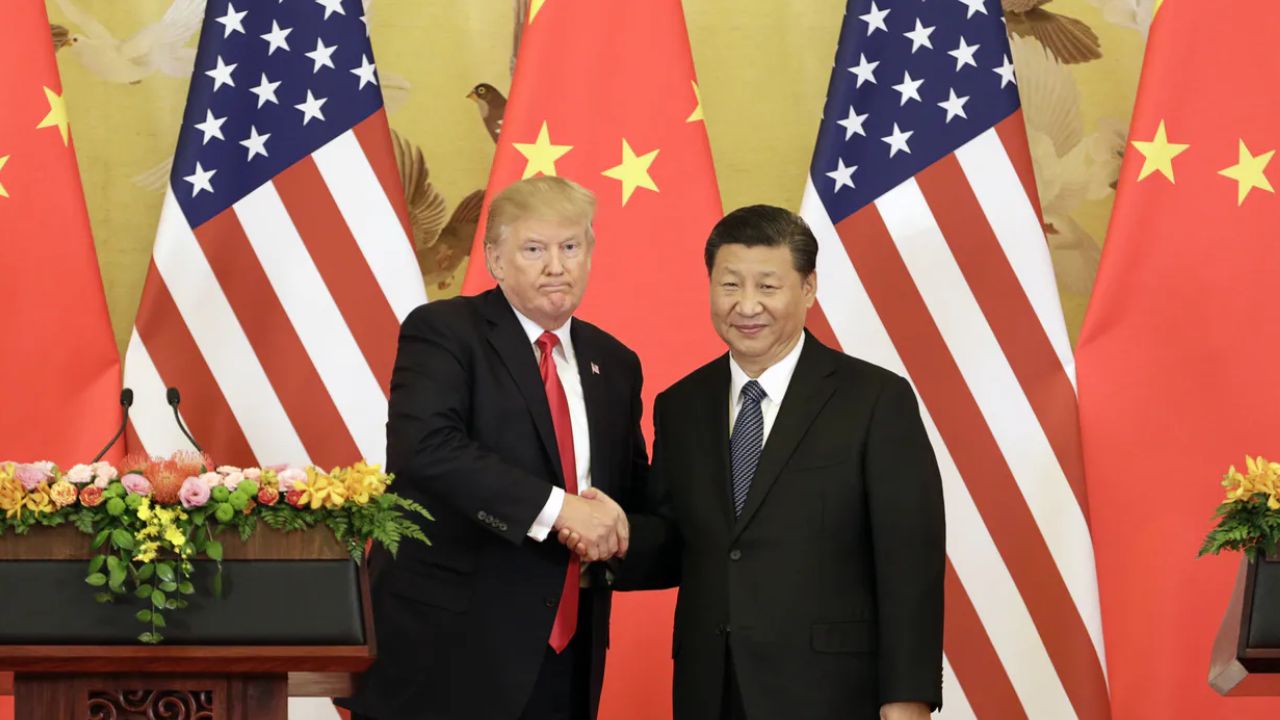


May 9, 2025: China’s exports rose significantly in April, defying expectations and signaling economic resilience just as high-level trade negotiations with the United States are set to begin this weekend.
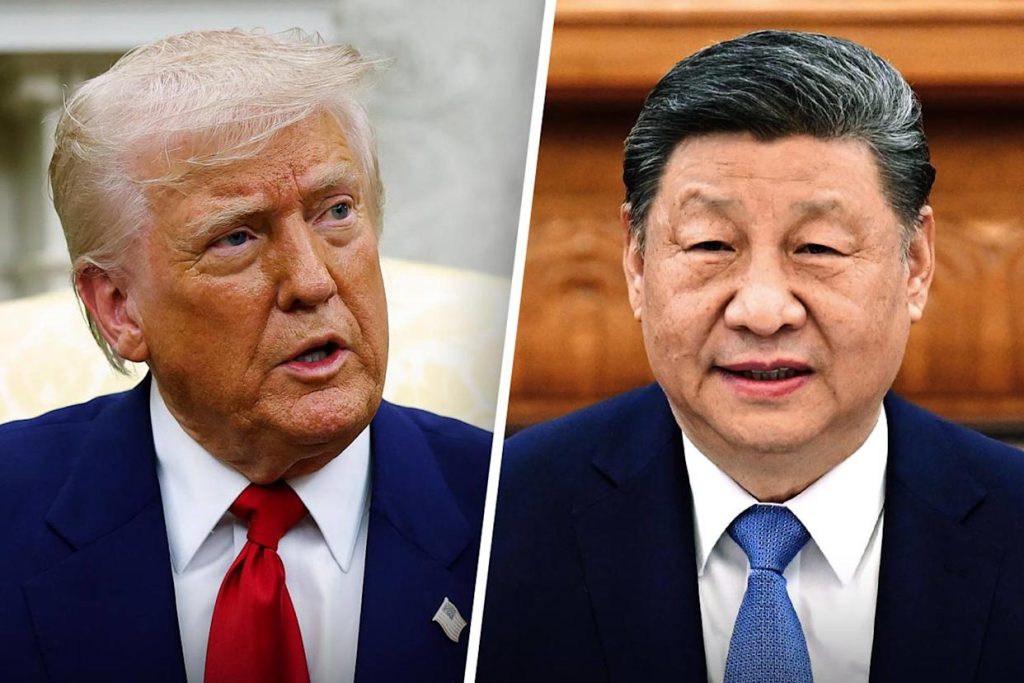
According to data released by Beijing on Friday, exports jumped 8.1% year-on-year, far surpassing economists’ forecasts of a modest 2% increase. The surprising uptick comes despite a sharp 21% drop in shipments to the U.S., following the imposition of a sweeping 145% tariff on Chinese imports by U.S. President Donald Trump.
Analysts suggest that China’s strategy to diversify its trade partners is beginning to pay off.
“Reports of the death of China’s exports look to be greatly exaggerated,” said Lynn Song, chief economist for Greater China at Dutch bank ING. “However you slice it, the data looks better than most market participants expected.”
The growth may have been temporarily bolstered by overseas manufacturers rushing to secure materials before the full impact of tariffs takes hold, during a 90-day pause in U.S. measures.
Still, some experts remain cautious. Zichun Huang of Capital Economics warned that the export surge could be short-lived, predicting that Chinese export growth may turn negative later this year. “Exports to the U.S. are expected to decline further, and increased trade with other countries may not fully offset the loss,” Huang said.
The trade data arrives on the eve of a critical meeting in Geneva, where Chinese trade envoy He Lifeng will meet U.S. Treasury Secretary Scott Bessent for the first official trade discussions since the tit-for-tat tariff escalation — with China having retaliated with its own 125% tariffs on U.S. goods.
Behind closed doors, reports suggest that Chinese officials are increasingly alarmed about the long-term effects of the trade war and the possibility of economic isolation, especially as several nations pivot toward trade agreements with Washington.
Sources cited by Reuters say Beijing rejected a proposal from President Trump to hold direct talks with Chinese President Xi Jinping, due to concerns over potentially unscripted confrontations. The rejection was partly informed by Trump’s controversial public reprimand of Ukrainian President Volodymyr Zelenskyy earlier this year, which unnerved Chinese officials wary of similar treatment.
“This is a delicate balancing act,” said Scott Kennedy, a senior fellow at the Center for Strategic and International Studies. “Both sides want to project strength without being blamed for crashing the global economy.”
As global markets watch closely, the outcome of the Geneva talks could shape the next chapter of U.S.-China trade relations and ripple across the international economic landscape.