
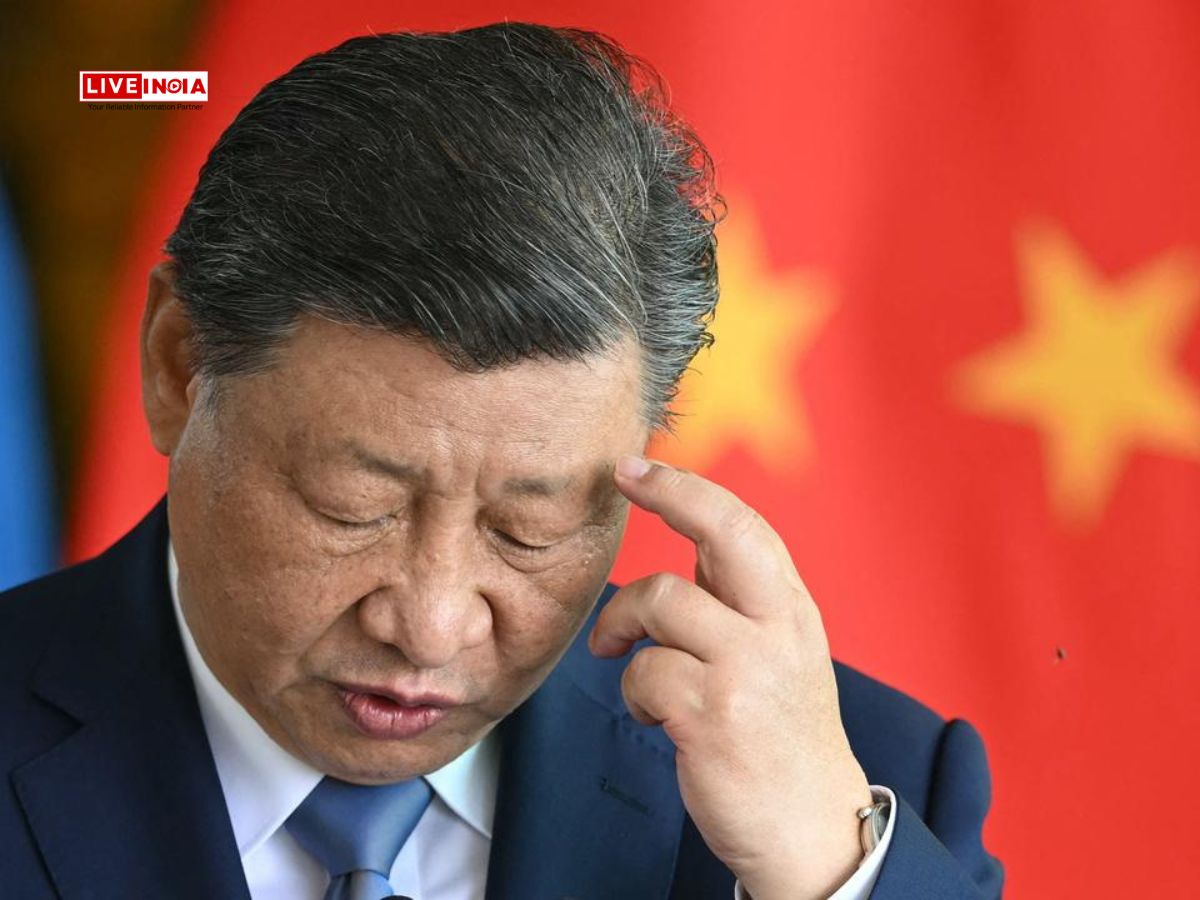


Mounting internal opposition, economic woes, and PLA discontent paint a challenging picture for China’s leader.
Hong Kong, January 21: Once perceived as supreme and untouchable, Chinese President Xi Jinping now faces growing domestic and international challenges, with his grip on power increasingly scrutinized. Critics cite economic mismanagement, restrictive policies, and military disarray as key factors tarnishing his image.
Mounting Opposition
Xi’s authority, established since 2012, is reportedly under strain. According to Willy Wo-Lap Lam, a Hong Kong scholar writing for The Jamestown Foundation, opposition is brewing across four main groups: retired Politburo Standing Committee members, princelings, senior military leaders, and China’s middle class.
Lam noted, “Xi’s ability to shape policy in financial, foreign affairs, and other arenas has been truncated. While unlikely to be ousted soon, understanding these dynamics is crucial.”
Former party elders and princelings, sidelined under Xi’s centralization efforts, have voiced discontent, with some reportedly collaborating with foreign agencies. Social dissatisfaction is also rising amid economic stagnation and censorship.
Economic and Military Challenges
Xi’s economic policies have drawn criticism, particularly his aggressive focus on state-owned enterprises at the expense of private capital. China’s economy is faltering, with rising unemployment among educated youth and persistent local government debt.
The People’s Liberation Army (PLA), Xi’s power pillar, faces its own challenges. Allegations of corruption, political interference, and personnel turmoil have created discontent within the military ranks. Notably, PLA Daily recently advocated for collective leadership, signaling resistance to Xi’s authoritarian control.
High-profile meetings without Xi’s presence, coupled with investigations into senior officials like Admiral Miao Hua, suggest unrest in the PLA’s upper echelons. Military expert Kenneth Allen observed that “corruption continues to plague the PLA, undermining its combat readiness.”
Shift in Foreign Policy
Xi’s trademark “wolf warrior” diplomacy appears to be softening, likely driven by economic pressures and international backlash. In a symbolic move, Vice President Han Zheng attended Donald Trump’s inauguration, marking a rare high-level Chinese presence at a US presidential event.