
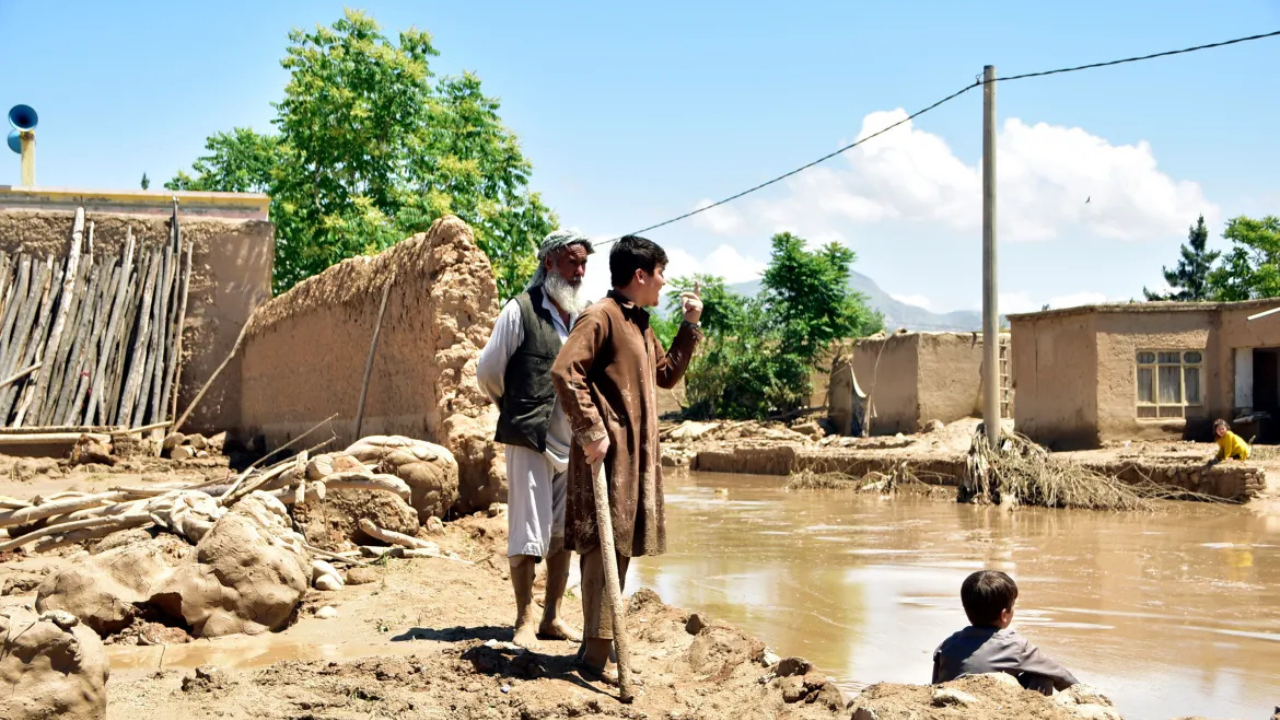


May 06, 2025: Recent floods in the Jurm and Baharak districts of Afghanistan’s Badakhshan province have caused severe financial damage to local farmers and herders, according to a report by the United Nations Food and Agriculture Organization (FAO).
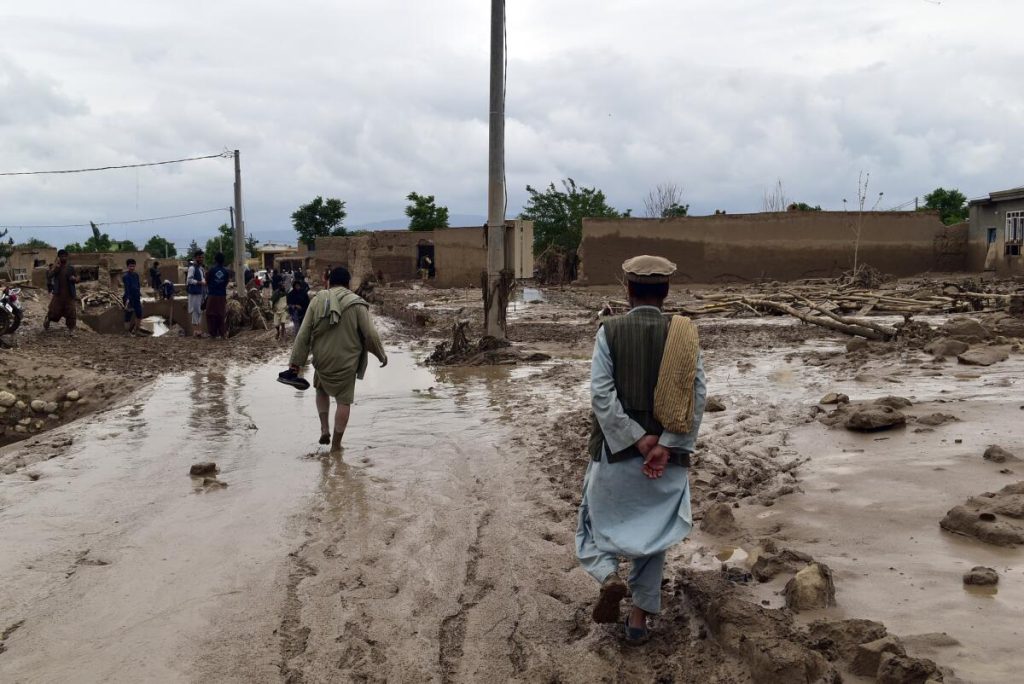
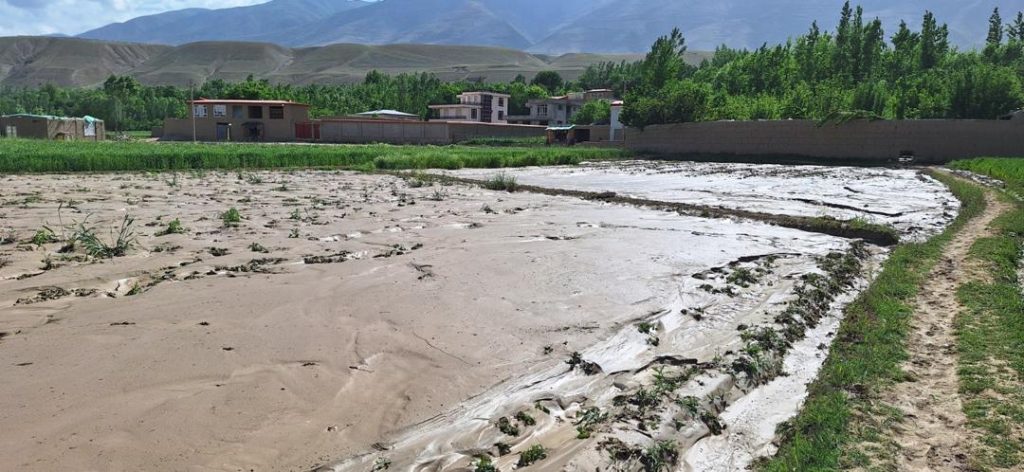
Citing the FAO report, local outlet Khaama Press stated that more than 1,000 households have been affected, and approximately 1,233 hectares of agricultural land have been destroyed. The flooding has also impacted 150 livestock farmers, leading to the loss of over 100 animals and worsening economic hardships in the region.
The FAO highlighted that wheat farms in the Yamgan district were among the most heavily damaged due to overflowing water and sediment. Assessments are ongoing to determine the full extent of humanitarian and agricultural needs, especially in remote and hard-to-reach areas.
Reports also confirm casualties and significant material losses from the floods, which occurred four days ago, placing additional pressure on emergency response systems in Badakhshan.
International organizations have reiterated the urgent need for investment in climate-resilient infrastructure, early warning systems, and sustainable agricultural practices to protect vulnerable rural communities. As climate-related disasters grow more frequent in Afghanistan, these measures are considered critical to preserving livelihoods and food security.
This disaster comes nearly a year after catastrophic floods in northern Afghanistan’s Baghlan province, which killed at least 50 people and destroyed thousands of homes, shops, and farmland, with extensive livestock losses.