
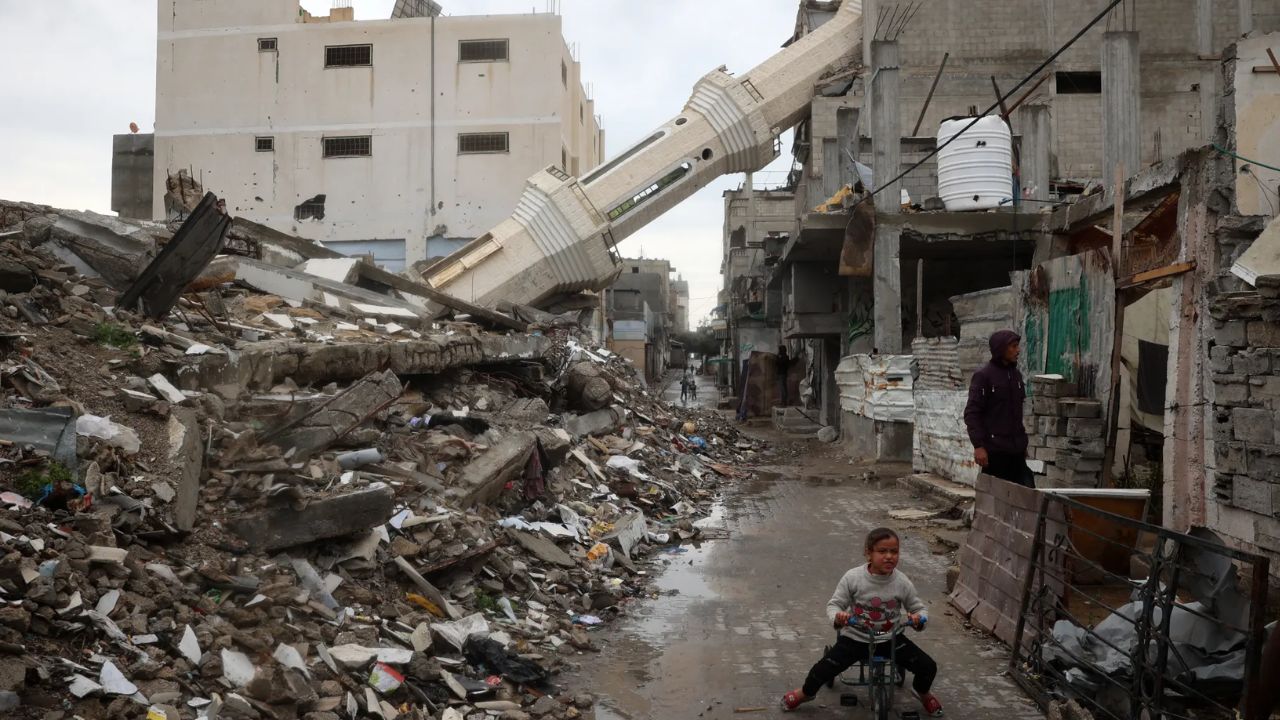


May 6, 2025: Hamas has announced it will no longer participate in ceasefire negotiations with Israel, citing the worsening humanitarian crisis in Gaza caused by what it describes as a “hunger war” and “extermination campaign.” The group’s senior official, Basem Naim, stated on Tuesday that ongoing talks are meaningless unless the Israeli government halts its siege and military aggression.
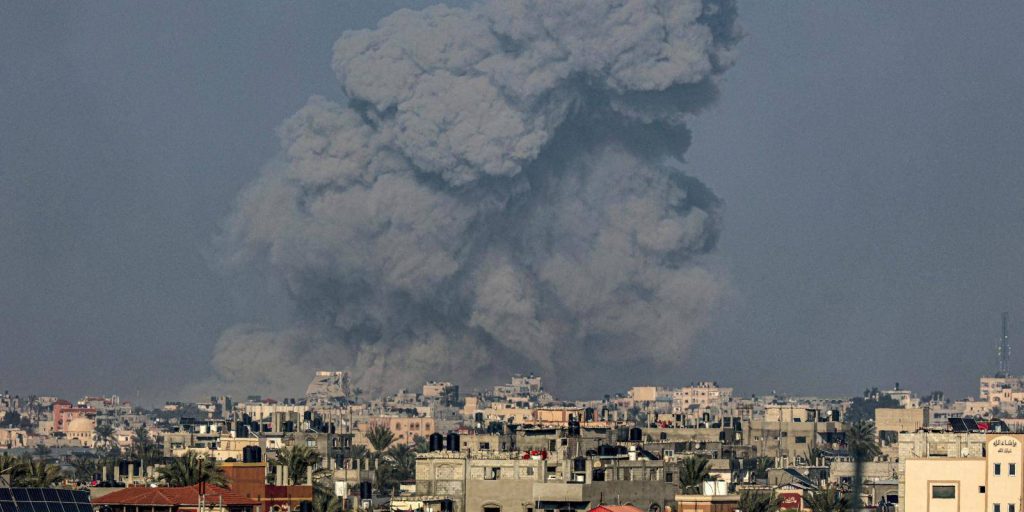
“There is no sense in engaging in talks or considering new ceasefire proposals as long as the hunger war and extermination war continue in the Gaza Strip,” Naim told international media. He called on the global community to pressure Prime Minister Benjamin Netanyahu’s government to end what he described as crimes of “hunger, thirst, and killings.”
The statement follows Netanyahu’s recent announcement of plans for an expanded military operation in Gaza that would include territorial occupation and the forced displacement of the population—many of whom have already been displaced multiple times since Israel launched its assault on the enclave in October 2023.
Since the imposition of a complete blockade on March 2, Gaza’s humanitarian situation has deteriorated rapidly. Reports from the ground indicate acute food shortages, with residents surviving on expired or spoiled food, if any is available at all.
The Palestine Red Crescent Society (PRCS) warned that food stocks in local markets and humanitarian centers have now been fully exhausted. “The population is once again at extreme risk of famine,” the PRCS said, adding that over a million displaced people are unable to meet their daily nutritional needs.
Only limited supplies of legumes are being distributed to community kitchens, and previously stored aid has been completely depleted.
The International Committee of the Red Cross (ICRC) has echoed these concerns, urging the immediate entry of humanitarian aid and cautioning against using such aid as a political tool. “The level of need among civilians in Gaza right now is overwhelming,” said ICRC spokesperson Christian Cardon. He emphasized that under international humanitarian law, Israel is obligated to ensure civilians’ basic needs are met.
Eyewitnesses in Gaza continue to relay heart-wrenching stories. Awad, a 39-year-old living in a tent in Khan Younis, said: “Israel has not stopped the war, the killing, the bombing, the destruction, the siege, and the starvation – every day. So how can they talk about expanding military operations?”
In Gaza City, Aya al-Skafy revealed her four-month-old baby died due to malnutrition and a lack of medicine. “She weighed just 2.8 kg. She suffered from blood acidity, liver and kidney failure. Her hair and nails fell out from malnutrition,” she said.
Meanwhile, leaked reports suggest Israel is considering a controversial new food distribution plan, where U.S. companies would take over operations from the United Nations and humanitarian agencies. The proposed system would permit Palestinian families to receive just one food parcel per week at designated hubs, with Israel allowing only 60 trucks into Gaza daily—a fraction of what aid groups say is required.
UN agencies have strongly rejected the plan, calling it a manipulative tactic that would deepen humanitarian control and deny civilians equitable access to life-saving resources.