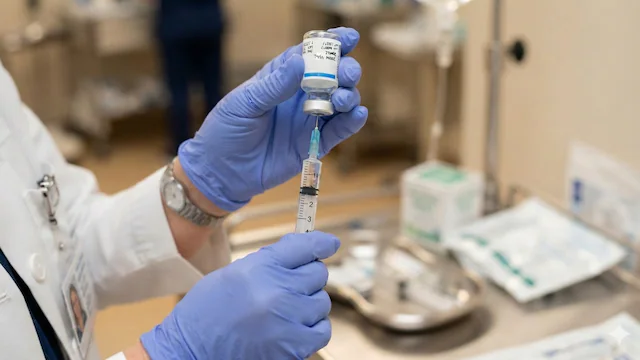
India has approved its first dengue vaccine, marking a significant step in the fight against one of the country’s most widespread mosquito-borne diseases. The Central Drugs Standard Control Organisation (CDSCO) has cleared QDENGA, a vaccine developed by Japanese pharmaceutical company Takeda Pharmaceutical, for use in eligible individuals.
Dengue continues to pose a major public health challenge in India, with thousands of infections reported every year. Health experts believe the introduction of a vaccine could help reduce severe illness and hospital admissions alongside existing preventive measures.
Who can receive the vaccine?
The Drugs Controller General of India (DCGI) has approved QDENGA for individuals aged 4 to 60 years. The vaccine is administered in a two-dose schedule, and unlike some earlier dengue vaccines, it does not require prior testing to determine whether a person has previously been infected with dengue.
How does QDENGA work?
QDENGA is a tetravalent live-attenuated vaccine, designed to provide protection against all four dengue virus serotypes—DENV-1, DENV-2, DENV-3 and DENV-4. It can be administered regardless of a person’s previous dengue infection status, making it suitable for broader immunisation programmes.
How effective is it?
Clinical studies have demonstrated encouraging results. According to available data, the vaccine:
- Reduces the risk of moderate dengue by 61% to 80%
- Lowers the risk of dengue-related hospitalisation by 84% to 90% after completion of the two-dose schedule
- Provides protection against all four dengue virus strains
Although no vaccine guarantees complete protection, experts say QDENGA can substantially reduce the risk of severe disease.
What is the expected cost?
The vaccine requires two doses, with each dose expected to cost between Rs 6,000 and Rs 12,000. Industry experts anticipate that prices could decline as domestic production expands and supply improves.
Local manufacturing to improve availability
Takeda entered into a partnership with Hyderabad-based vaccine manufacturer Biological E in 2024 to produce QDENGA in India. The facility is expected to manufacture up to 50 million doses annually, helping improve vaccine availability and supporting Takeda’s global production targets.
Vaccination is not a substitute for prevention
Health authorities stress that vaccination should complement, not replace, existing dengue prevention measures. People are advised to eliminate stagnant water around homes, use mosquito repellents, wear protective clothing and install window screens or mosquito nets to reduce the risk of mosquito bites.
The approval of QDENGA represents an important milestone in India’s efforts to combat dengue and is expected to strengthen the country’s overall disease prevention strategy.