
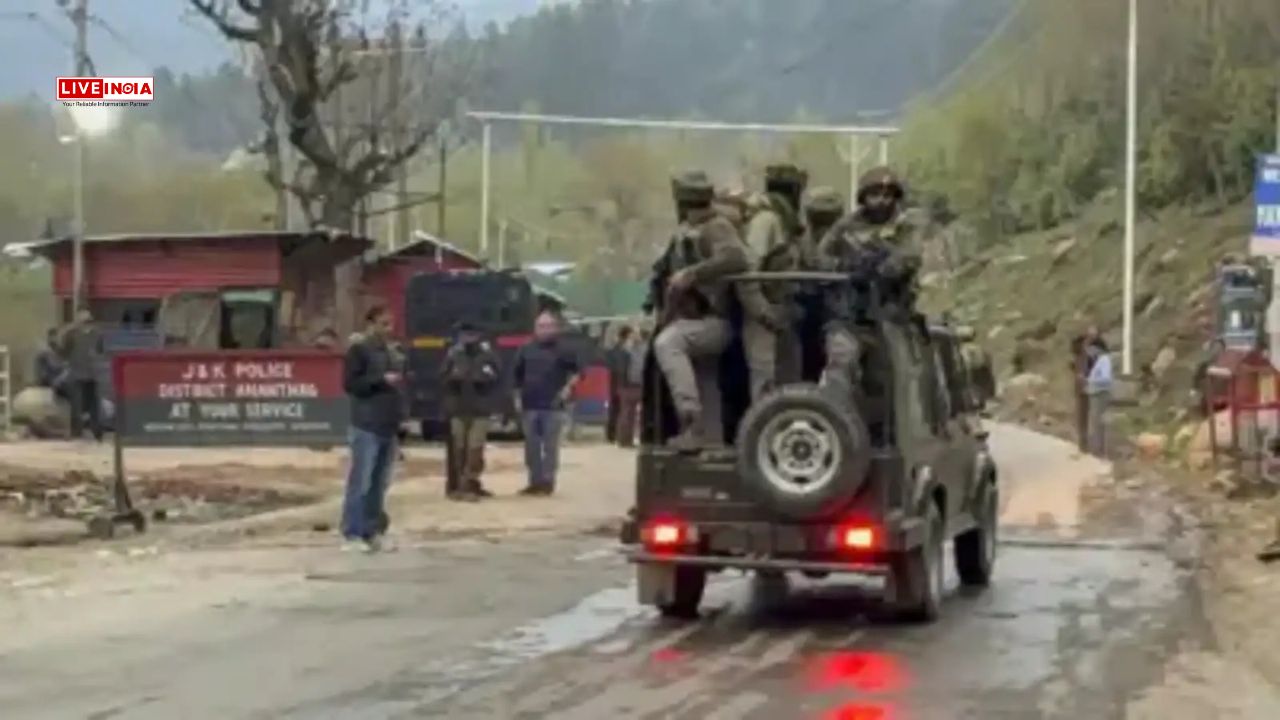


NSA Ajit Doval, Defence Secretary, and Service Chiefs attend top-level discussions; Russia offers full support to India’s anti-terror efforts
📍 New Delhi | May 6, 2025 | Amid rising tensions after the April 22 terror strike in Jammu and Kashmir’s Pahalgam that left 26 civilians dead, Prime Minister Narendra Modi chaired a series of high-level meetings on Monday evening to finalize India’s response strategy. The discussions come as India intensifies both diplomatic and defense posturing against Pakistan-based elements believed to be behind the attack.
Also Read: Centre Orders Security Drills Nationwide Amid Rising Indo-Pak Tensions — First Since 1971
🔟 Key Developments:
- Russia’s Support: Russian President Vladimir Putin called PM Modi earlier in the day, strongly condemned the Pahalgam massacre, and offered “full support” to India in its fight against terrorism.
2. High-Level Briefing at PMO: PM Modi met National Security Advisor Ajit Doval, Defence Secretary Rajesh Kumar Singh, Home Secretary, and top security officials at the Prime Minister’s Office (PMO).
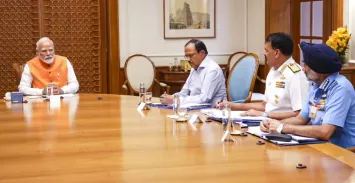
3. Combat Readiness Reviewed: In his one-on-one with the Defence Secretary, PM Modi reviewed the combat readiness of Indian forces, signaling preparations for a robust response.
4. Top Brass Consulted: The meeting followed recent briefings by Air Chief Marshal A.P. Singh and Navy Chief Admiral Dinesh K. Tripathi, who provided updates on the air and maritime security postures.
5. Operational Freedom Granted: PM Modi reiterated his directive to the armed forces, offering them “complete operational freedom” to determine how, when, and where to respond.
6. Civil Defence Drills Ordered: The Union Home Ministry has instructed all states to conduct mock drills, activate air raid sirens, and prepare for blackout measures, marking the first such mobilization since the 1971 war.
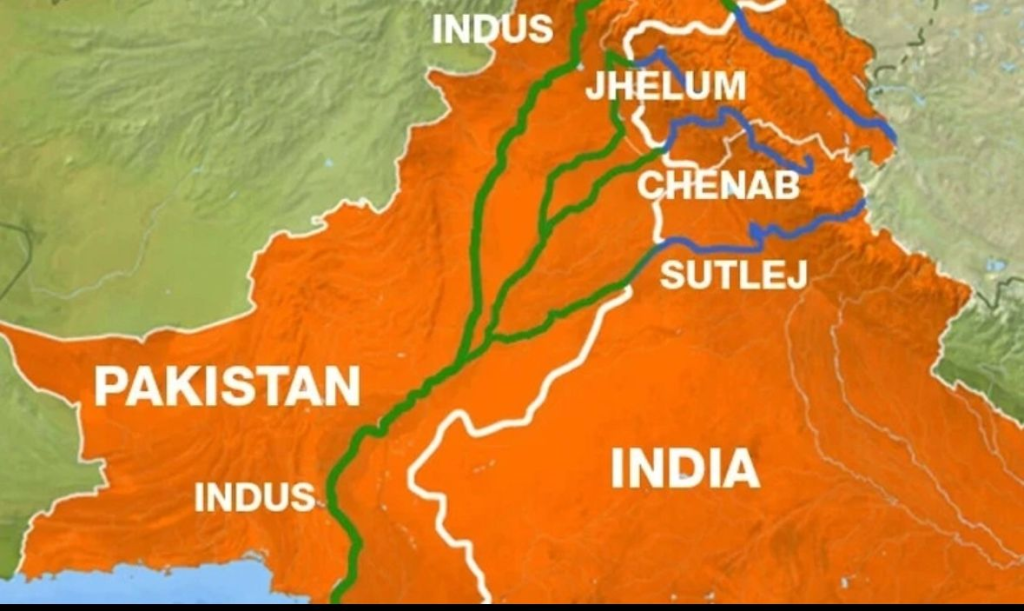
7. Indus Treaty Suspended: As part of non-military responses, India has suspended the Indus Waters Treaty, closed the Attari-Wagah border, and cancelled visas of Pakistani nationals.
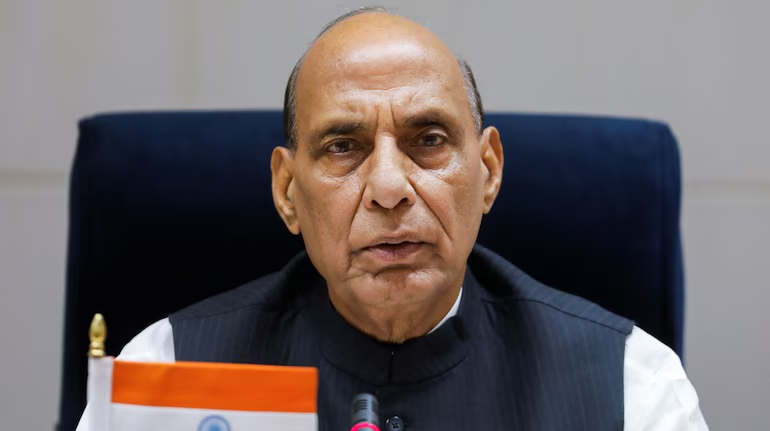
8. Defence Minister’s Statement: Defence Minister Rajnath Singh warned of a “befitting reply”, adding that India’s armed forces were fully empowered to act decisively.
9. Terrorists Identified: Investigators have identified five terrorists involved in the massacre, including three Pakistani nationals, according to government sources.
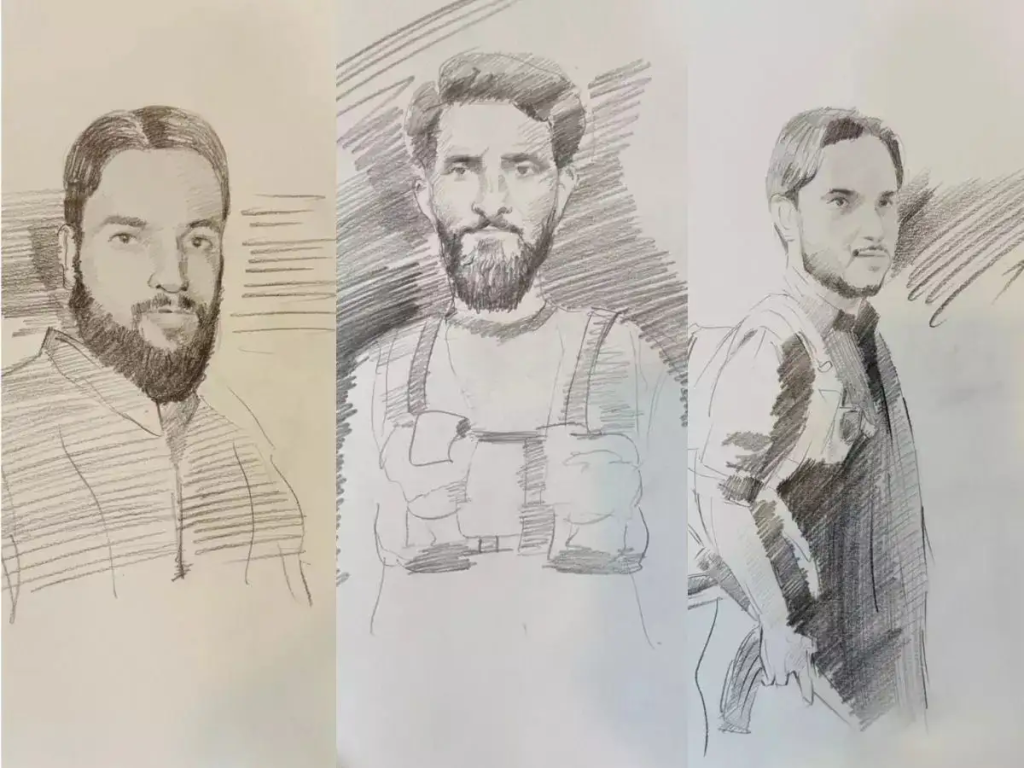
10. Public Sentiment & Security Alert: Nationwide security has been heightened, with civil defense exercises and intelligence monitoring escalated in metro cities and border areas.
🇮🇳 India’s Strategic Posture:
With international backing and public demand for accountability rising, India is seen preparing for a calibrated military or hybrid response, possibly involving targeted cross-border strikes, covert action, or cyber retaliation. The government has made it clear that diplomatic isolation of Pakistan will continue unless concrete action is taken against terror infrastructure.
🏷️ Tags:
India Pakistan tensions, Pahalgam attack, PM Modi security meeting, Indus Waters Treaty, India response to terror, NSA Ajit Doval, Vladimir Putin India support, mock drills India, Defence Ministry India