
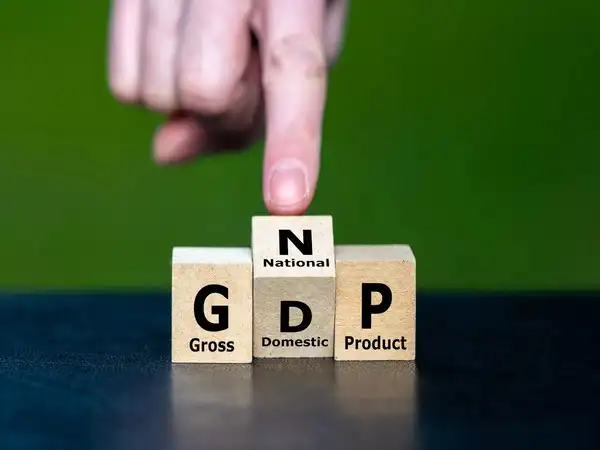


India’s economy expanded faster than expected in the July–September quarter of FY26, recording a strong GDP growth rate of 8.2%, according to government data released on Friday. This marks an improvement from 7.8% in Q1 FY26 and a sharp rise compared to 5.4% during the same period last year.
The robust performance was driven by solid gains in household consumption and manufacturing activity, which helped offset the potential drag from the 50% tariffs imposed by the United States in August. Economists had earlier forecasted growth between 7.3% and 7.5%, making the actual figure significantly higher than expectations.
Key economic indicators for Q2 FY26 showed:
- Consumption grew 7.9% YoY, up from 7.0% in the previous quarter.
- Manufacturing output surged 9.1% YoY, compared to 7.7% in Q1.
- Construction activity rose 7.2% YoY, slightly below 7.6% in the prior quarter.
- Government spending, however, contracted by 2.7% YoY, following a 7.4% rise in Q1.
The impact of both the US tariffs and the rollout of GST 2.0 on September 22, which reduced taxes on a wide range of goods to boost domestic output, is yet to be fully reflected in GDP numbers.
Separately, India’s inflation rate fell to a historic low of 0.25% in October 2025, strengthening the likelihood of an RBI rate cut in the upcoming December monetary policy review.