
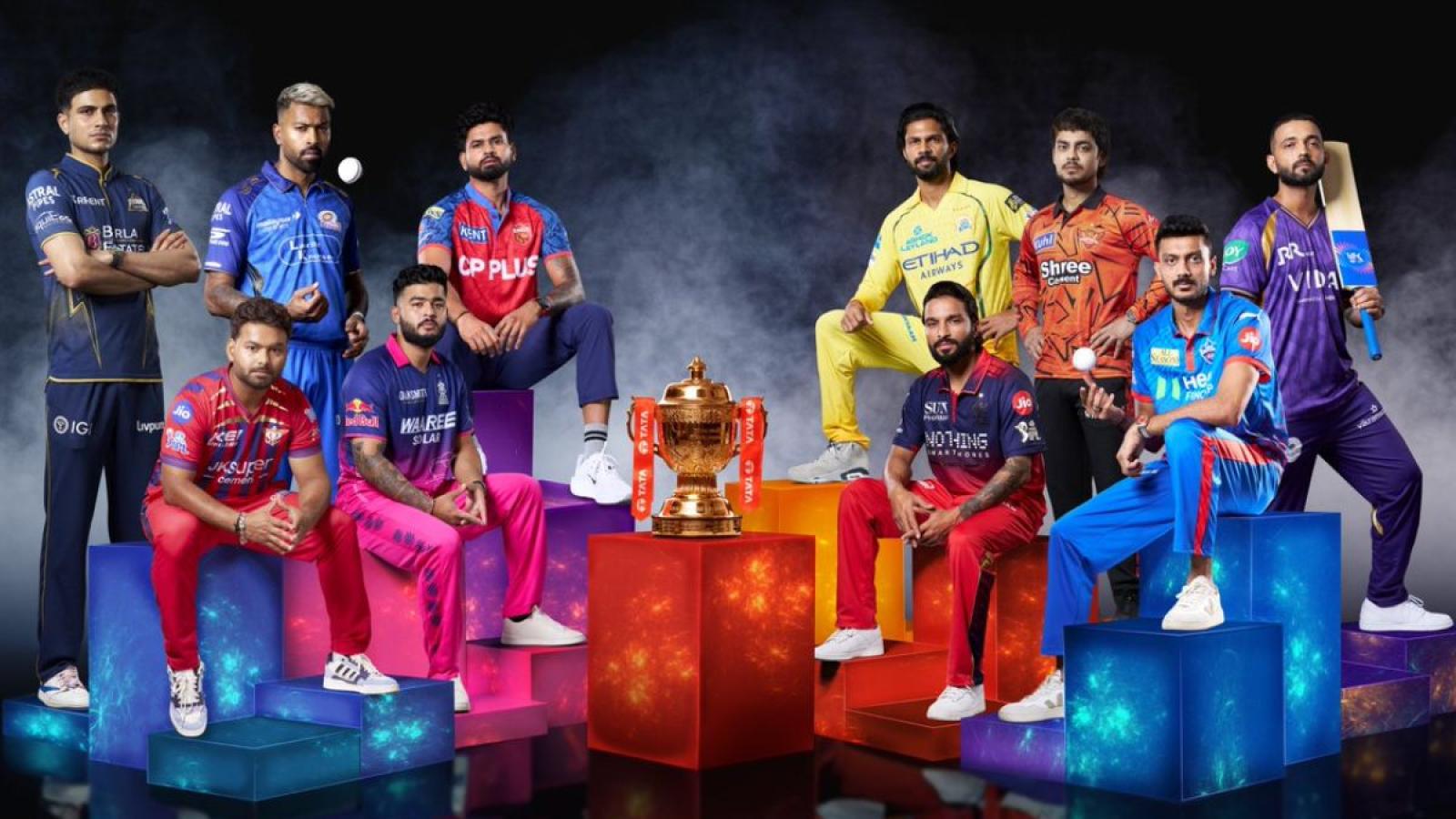


For decades, international bilateral series have formed the backbone of cricket’s calendar. However, that traditional structure is now facing increasing pressure as franchise leagues—led by the Indian Premier League—continue to reshape the global game.
In a recent interview, IPL chairman Arun Singh Dhumal outlined a future where domestic T20 leagues take centre stage, while international cricket is largely limited to major tournaments organised by the International Cricket Council (ICC).
Describing the shift as similar to football’s structure, Dhumal said the sport is moving towards “more league cricket, fewer bilaterals, and ICC events acting as the primary global markers.”
The 94-Match IPL Expansion Plan
At the heart of this transformation is the IPL’s proposed expansion from 74 to 94 matches—a move driven by growing demand from broadcasters, sponsors, and investors.
However, several constraints currently limit this expansion. The existing Future Tours Programme (FTP), which outlines international fixtures, is locked until April 2027, leaving little room for immediate changes. Additionally, extending the IPL window beyond May is challenging due to India’s monsoon season.
Broadcasting economics also play a crucial role. Increasing matches within the current timeframe would require more double-headers, which tend to dilute viewership and reduce advertising revenues.
“If we try to expand within the same window, it would mean more double-headers, which doesn’t work well for broadcasters,” Dhumal explained.
To address this, the Board of Control for Cricket in India is exploring options such as extending the IPL window to nearly three months in the next FTP cycle or introducing a second window later in the year, potentially between September and October.
Declining Bilateral Relevance
Dhumal also pointed to a gradual decline in interest in some bilateral series, a trend that has coincided with the rise of domestic T20 leagues across cricketing nations.
“There is definitely less interest in some bilateral games. That is why countries are developing their own leagues,” he said.
This shift not only strengthens the IPL’s position but also signals a broader transition in how cricket is consumed globally. The league, he added, is contributing significantly not just to Indian cricket but to the global ecosystem, attracting top international players and boosting the sport’s commercial appeal.
Push for a Global Champions League
Parallel to IPL’s expansion is the revival of a Champions League-style T20 competition, an idea strongly backed by IPL founder Lalit Modi.
Modi has proposed a global club-based structure where top franchise teams from various leagues compete in an elite tournament—similar to football’s Champions League model.
He also suggested that the IPL could eventually expand beyond 100 matches, potentially reaching up to 136 games with a full home-and-away format and additional teams.
According to Modi, such a global ecosystem could significantly boost franchise valuations, with IPL teams potentially reaching $3.5–4 billion in value.
A revived Champions League would serve as the pinnacle of this structure, turning domestic leagues into qualifying platforms and unlocking new commercial and broadcasting opportunities worldwide.
Challenges and the Road Ahead
Despite the ambitious vision, several challenges remain. Scheduling constraints, player workload, and broadcaster interests will play a critical role in shaping how quickly this transition unfolds.
Players are already balancing multiple leagues and international commitments, making calendar management increasingly complex.
Still, the direction of travel is becoming clearer. The IPL is no longer just another tournament within the cricket calendar—it is increasingly being positioned as its central pillar.
If expansion plans and global competitions materialise in the next FTP cycle, cricket could witness a fundamental transformation—from a bilateral-heavy structure to a league-first model, redefining how the sport is played, organised, and consumed worldwide.