
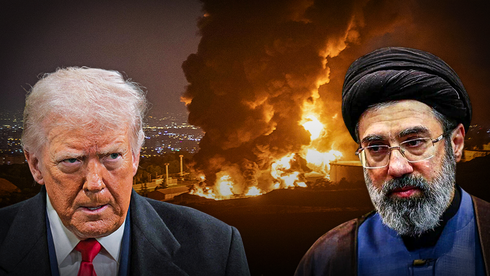


Iran has formally responded to a United States-backed proposal aimed at ending the ongoing conflict, rejecting the idea of a temporary ceasefire and instead calling for a permanent resolution to the war. The response was shared through intermediaries, including Pakistan, according to the state-run Islamic Republic News Agency (IRNA).
The Iranian response outlines a 10-clause framework detailing Tehran’s key demands, with officials stressing that any settlement must address long-term security, sanctions, and regional stability concerns.
Iran Insists on Permanent End to War, Rejects Short-Term Ceasefire
Tehran made it clear that it does not support a temporary ceasefire, arguing that short-term pauses in hostilities would not resolve the underlying causes of the conflict.
Instead, Iran is pushing for a permanent end to the war that takes into account its strategic and national interests. Officials emphasised that any agreement must ensure long-term peace while safeguarding Iran’s sovereignty and economic stability.
According to IRNA, Iran’s counterproposal also includes provisions related to reconstruction and safe maritime navigation, particularly through the strategically crucial Strait of Hormuz.
Key Demands Listed in Iran’s 10-Clause Framework
Iran’s counterplan reportedly includes several major demands that Tehran considers essential for a lasting peace settlement.
Key points outlined in the proposal include:
- Rejection of any temporary ceasefire arrangement
- Demand for a permanent and comprehensive end to the conflict
- Lifting of international sanctions imposed on Iran
- Commitments for reconstruction of affected areas
- Measures to end wider regional conflicts
- Establishment of a formal protocol ensuring safe maritime passage through the Strait of Hormuz
- Diplomatic engagement through intermediaries
- Description of the US-backed proposal as “ambitious, unusual, and illogical”
- Emphasis on national priorities and strategic interests
- Commitment to disclose further details publicly when required
These demands, according to Iranian officials, reflect Tehran’s long-standing stance that meaningful peace cannot be achieved without addressing broader regional tensions and economic restrictions.
Iran Criticises US Proposal as ‘Unusual and Illogical’
Earlier, Iranian Foreign Ministry spokesperson Esmail Baghaei strongly criticised the US-backed plan, which reportedly consisted of 15 points and was conveyed through Pakistan and other friendly nations.
Speaking to media outlets, Baghaei described the proposal as “extremely ambitious, unusual, and illogical,” indicating that Tehran found the suggested terms impractical and misaligned with its priorities.
“A few days ago, they (US) put forward proposals through intermediaries,” Baghaei said, adding that Iran had already prepared its own framework after evaluating the plan.
“Based on our own interests and considerations, we codified the set of demands that we had and have,” he added.
Iran Rejects Claims That Indirect Talks Signal Weakness
Baghaei also dismissed suggestions that Iran’s use of intermediaries to communicate with the United States indicated any sign of weakness.
He emphasised that Tehran’s swift response should instead be seen as a demonstration of confidence and preparedness.
“The fact that the Islamic Republic of Iran presents its views very quickly and bravely in response to a plan should not be considered a sign of surrendering to the enemy,” he stated.
Officials further indicated that Iran’s response had been finalised shortly after receiving the proposal, highlighting the urgency with which Tehran approached the negotiations.
Tensions Between Iran and United States Continue to Rise
The development comes amid escalating tensions between Iran and the United States, with both sides exchanging warnings over potential attacks on critical infrastructure.
Iran has cautioned that any threats targeting its facilities would be met with a strong and forceful response, underscoring the fragile state of diplomatic relations.
Authorities in Tehran also indicated that further details of the counterproposal may be released publicly when deemed necessary, suggesting that indirect diplomatic engagement is likely to continue in the coming days.
The ongoing exchanges highlight the complexity of achieving peace in a conflict shaped by geopolitical rivalries, economic sanctions, and regional security concerns.