


May 6, 2025: Pakistan has released 104 Afghan migrants from its prisons as part of an ongoing crackdown, according to the Ministry of Refugees and Repatriates of Afghanistan’s Interim Government. The detainees, held in various Pakistani regions for durations ranging from one to fifteen days, were subsequently deported back to Afghanistan, as reported by Afghan outlet Khama Press.
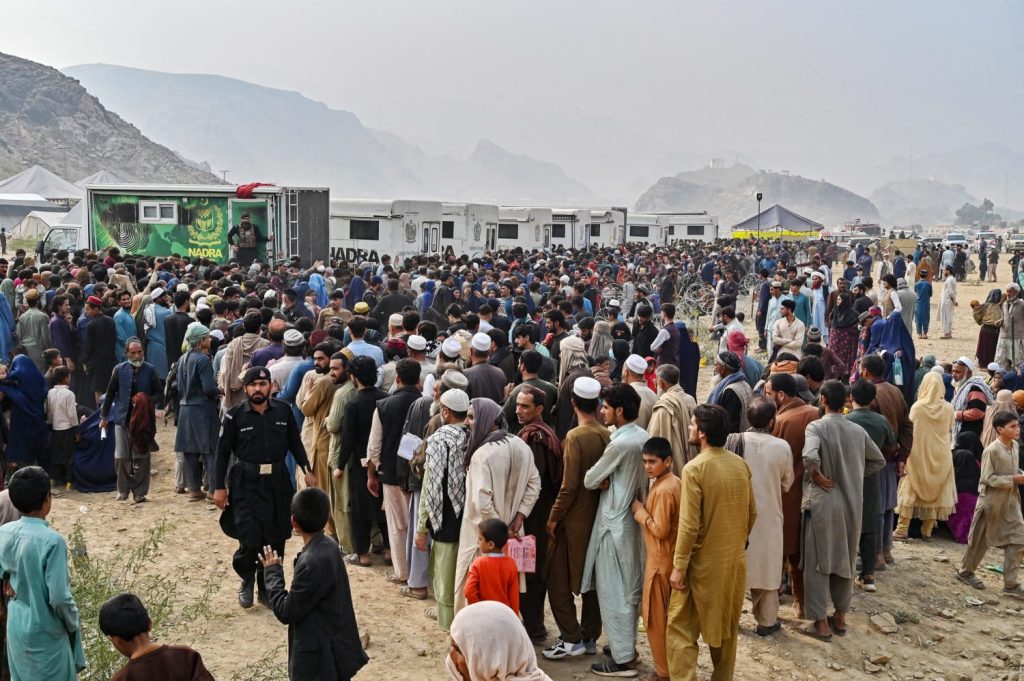
This development comes amid a sweeping wave of deportations affecting Afghan nationals in both Pakistan and Iran. The United Nations High Commissioner for Refugees (UNHCR) revealed that in April alone, over 250,000 Afghan migrants returned from the two neighboring countries, with 96,000 of them having been forcibly expelled.
UNHCR further disclosed that since 2023, more than 3.4 million Afghan migrants have been either deported or forced to return to their homeland from Iran and Pakistan—a humanitarian crisis that continues to grow.
The Afghan government has stated that it is providing reintegration support to returnees, though the scale of the crisis has prompted calls for stronger action. International organizations and human rights groups have expressed concern over the well-being of these individuals, many of whom face dire economic conditions and uncertainty upon return.
Despite these efforts, Afghan migrants have reported harsh and inhumane treatment at the hands of Pakistani authorities. According to Tolo News, deportees are appealing to the Islamic Emirate for immediate support, including housing and employment assistance.
More than 110,000 of those returned were from Pakistan, with additional deportees coming from Iran and Turkey. Many cite economic hardship and lack of opportunity as the driving forces behind their migration.
The escalating deportations highlight the urgent need for a comprehensive and cooperative regional response. Experts stress that lasting solutions must address the root causes of migration—such as poverty, insecurity, and political instability in Afghanistan—rather than focusing solely on border control.