


June 26, 2025: India’s Defence Minister Rajnath Singh has refused to endorse the joint statement at the Shanghai Cooperation Organisation (SCO) Defence Ministers’ Meeting, citing the absence of any firm stance on cross-border terrorism, a core concern for India.
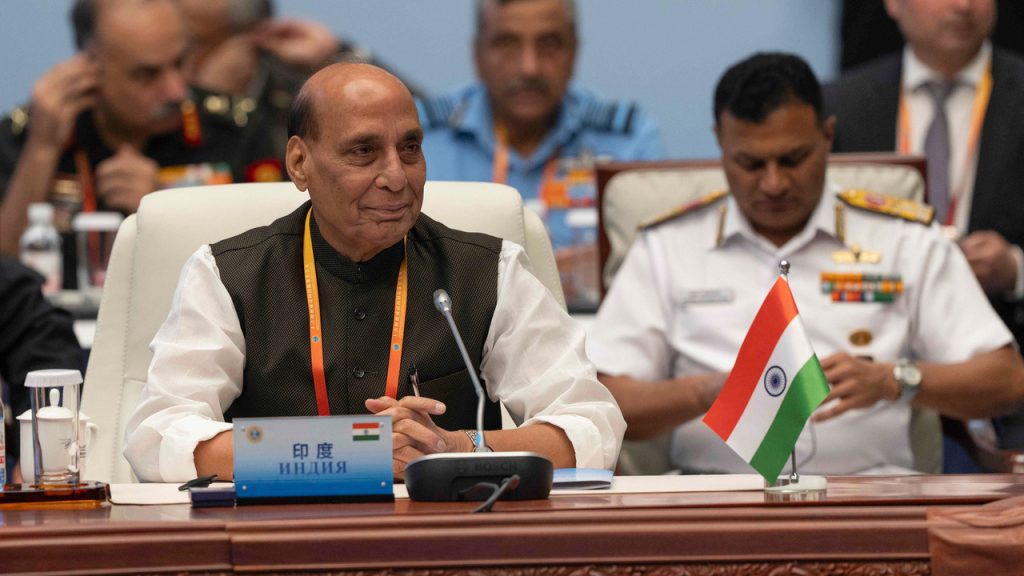
The meeting, held in Qingdao, China, from June 25 to 26, brought together defence leaders from SCO member states including India, China, Russia, and Central Asian nations. However, it concluded without a joint statement due to India’s objection.
Why India Refused
According to reports, India declined to sign the joint communiqué after it failed to incorporate specific language addressing cross-border terrorism. Singh reportedly made it clear that India cannot support any document that sidesteps its national security interests, especially in light of increasing terror threats from across the border.
Rajnath Singh’s Strong Message at SCO
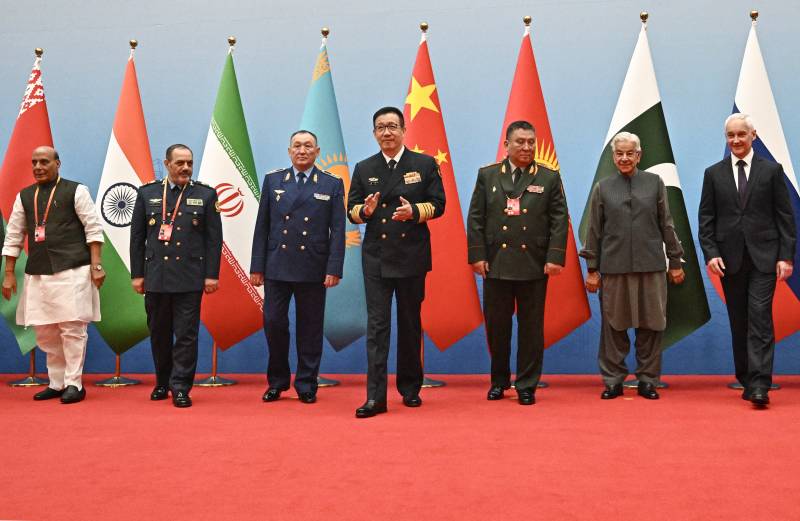
In his address, Rajnath Singh highlighted the Pahalgam terror attack that occurred on April 22, where 26 people were killed. He blamed Pakistan-backed terror groups like Lashkar-e-Taiba and The Resistance Front for the incident, asserting that the attack bore a striking resemblance to past LeT operations.
“There can be no double standards in the fight against terrorism. Radicalisation, extremism, and terrorism remain the biggest threats to regional peace,” Singh said.
India’s Firm Stand: Operation Sindoor
Following the Pahalgam attack, India launched Operation Sindoor, a military strike targeting terror infrastructure in Pakistan and Pakistan-occupied Kashmir (PoK). The operation escalated into a four-day military stand-off with Pakistan, underlining India’s zero-tolerance policy on terrorism.
Also read: CBSE Board Exams Twice a Year from 2026
Singh reiterated that India reserves the right to act in self-defence and warned that terror hubs are no longer safe.
Impact on SCO Outcomes
India’s decision not to sign the statement led to the first SCO Defence Ministers’ Meeting without a unified declaration. This move has signaled India’s uncompromising position on national security and has raised serious questions about the SCO’s effectiveness in jointly addressing terrorism.
Final Thoughts
India’s bold stance at the SCO underlines the urgency for global and regional cooperation against terrorism. With Rajnath Singh calling out the “trust deficit” and “lack of decisive action”, the spotlight is now on whether multilateral platforms like the SCO will evolve to take stronger, non-ambiguous action against terrorism, including cross-border threats.