
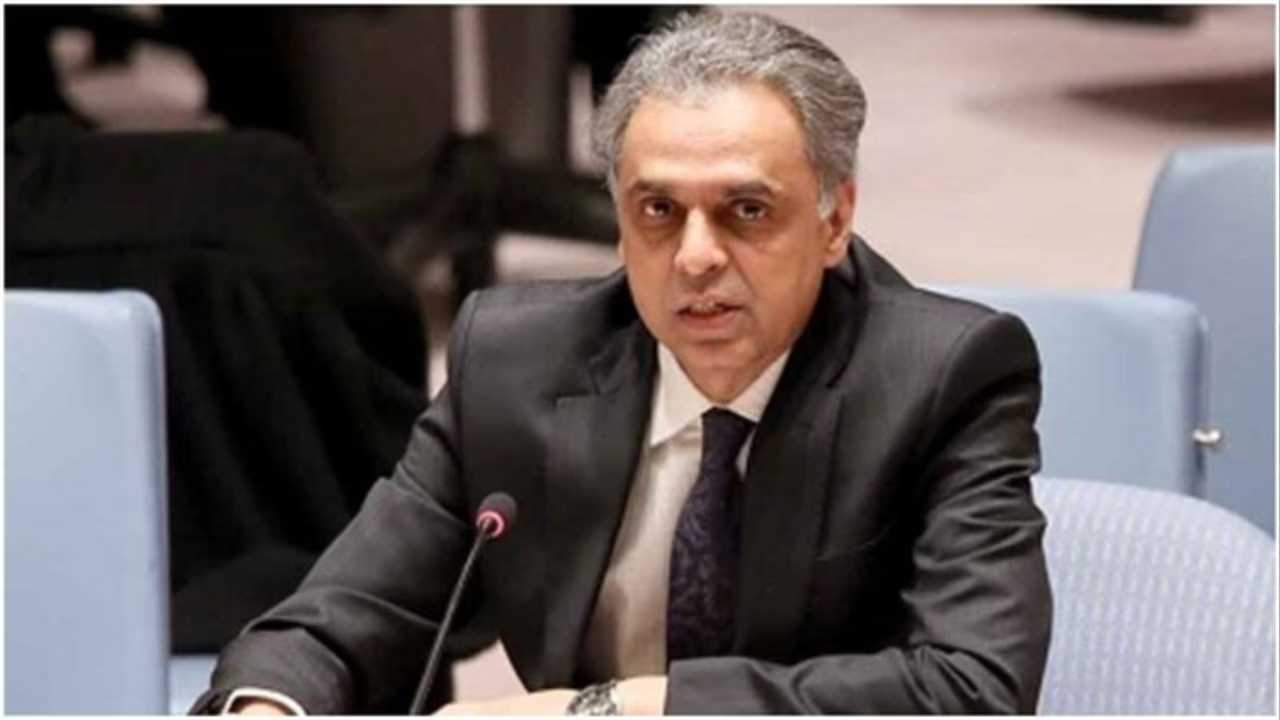


May 06, 2025: Former Indian envoy to the United Nations, Syed Akbaruddin, has criticized the close diplomatic maneuvering between Pakistan and China, asserting that their strategic alliance continues to distort decision-making within international bodies.
Akbaruddin condemned China’s backing of Pakistan’s call for a probe into the recent terrorist attack in Pahalgam, stating that such support is rooted more in geopolitical alignment than in objective consideration of the facts.
“Multilateral organisations are essentially geopolitical arenas. Countries base their decisions not on the merits but on the nature of their bilateral relations. The enduring alliance between Pakistan and China is a case in point,” Akbaruddin said. He recalled how in 2019, China attempted to raise a similar issue at the UN Security Council even when Pakistan wasn’t a member, following India’s revocation of Article 370 — an effort that failed despite China’s permanent member status.

“This is a familiar strategy from Pakistan—one that repeatedly fails. China remains its only consistent ally, but the rest of the world sees through it,” he added.
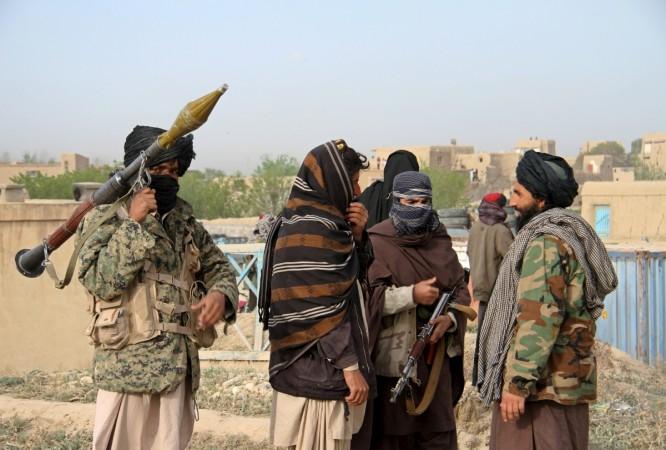
Pakistan, facing mounting international scrutiny after the Pahalgam attack, pushed for an emergency meeting of the United Nations Security Council (UNSC). However, according to sources in New York, the closed-door session resulted in uncomfortable questions for Pakistan rather than support.
The UNSC members rejected Pakistan’s “false flag” claims and probed possible involvement by the banned terrorist outfit Lashkar-e-Taiba, known for its connections to Pakistan. Sources also mentioned widespread condemnation of the attack and a unified call for accountability, with some diplomats raising concerns over the targeting of religious tourists.
Despite Pakistan’s appeal, the meeting concluded without any formal statement from the UN body.