
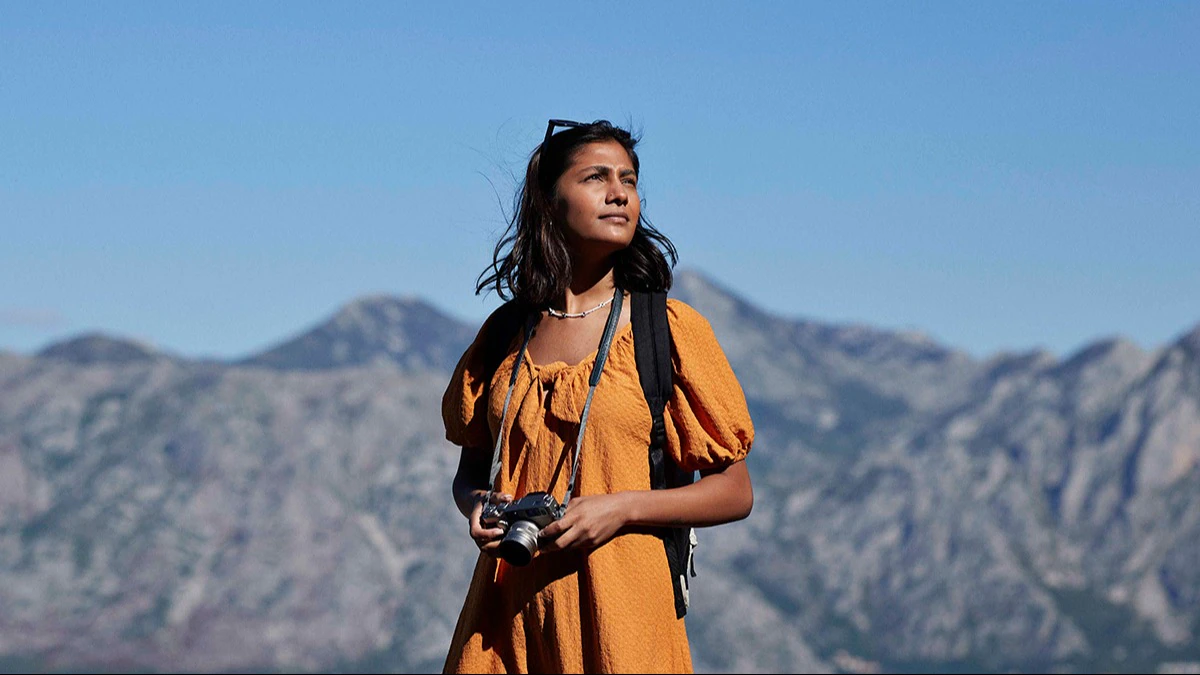


Solo travel in India is undergoing a profound transformation, moving from a niche lifestyle choice to a mainstream movement fueled by financial independence. This shift is particularly visible among young Indian women, who are increasingly leveraging personal financial autonomy to prioritize self-discovery and well-being over traditional material consumption.
The Driver: Ownership of Decisions
Industry experts note that the rise in solo travel is a direct result of increased financial literacy and access to digital investment tools. According to Ramneek Singh Ghotra of Finvasia, women are no longer viewing travel as a luxury but as a vital component of self-growth. This is supported by disciplined habits such as goal-oriented investing and systematic saving, allowing travellers to fund their journeys without risking long-term financial security.
Key Trends Shaping the Industry
- The Intentional Traveller: Data from The Hosteller reveals that nearly 35% of bookings in early 2026 came from solo travellers. These individuals are moving beyond simple affordability, seeking community-driven spaces that offer safety and authentic cultural immersion.
- Experiences Over Ownership: There is a distinct move toward “investing” in memories. Modern travellers are opting for longer stays and flexible itineraries, viewing travel as an extension of their identity.
- Safety and Connection: The demand for thoughtfully designed hostels and social spaces has spiked, catering to those who want the freedom of being alone without being isolated.
A Structural Shift
This trend is creating a ripple effect across the Fintech and Travel sectors. While Fintech platforms are evolving to offer flexible financial solutions for wanderlust, travel companies are reimagining their services for the “experience-led” consumer. Ultimately, solo travel in 2026 is less about being alone and more about the freedom to curate a personal journey—marking a permanent shift in how India explores the world.