
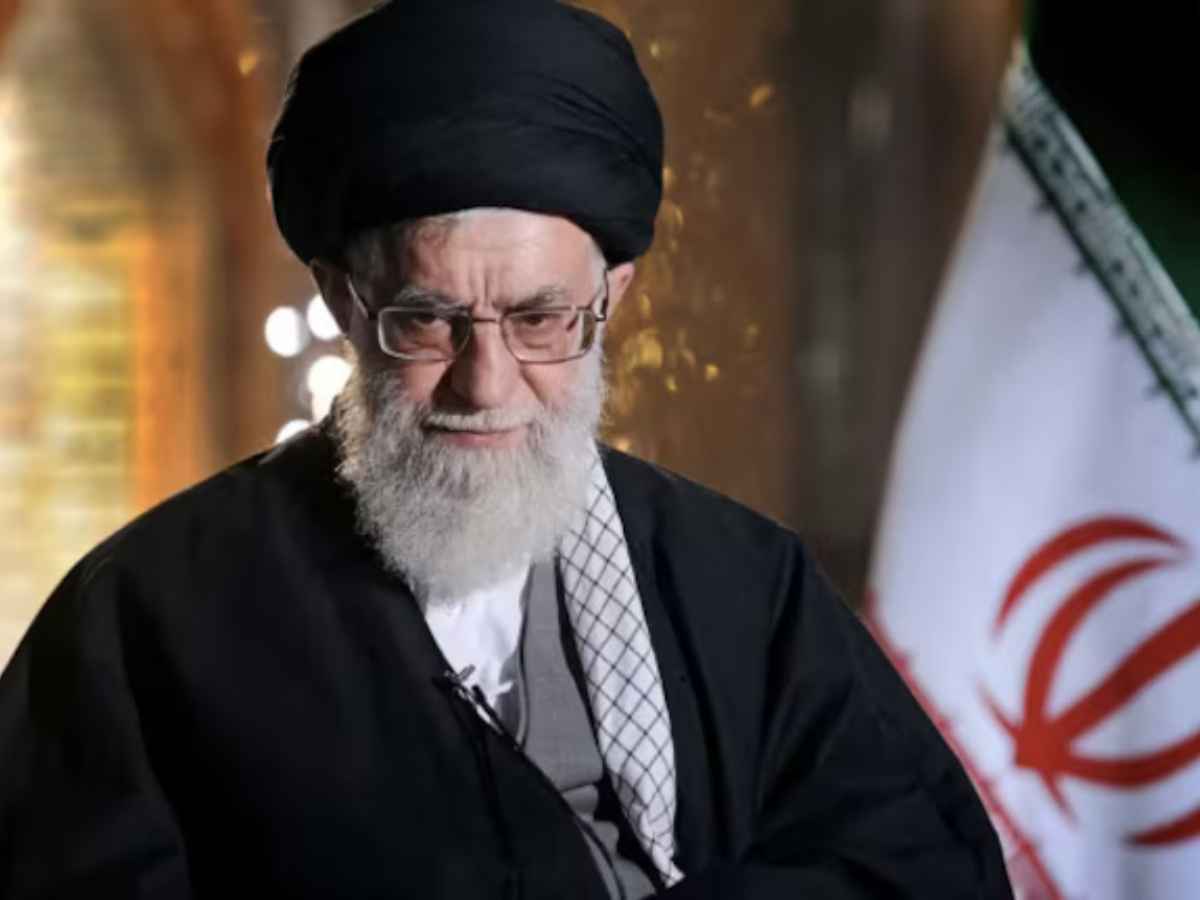


June 22, 2025: Strait of Hormuz– A major geopolitical crisis is brewing in the Middle East after the United States launched airstrikes on three of Iran’s key nuclear facilities, prompting a fierce warning from Supreme Leader Ayatollah Ali Khamenei, who said the “Americans should expect greater damage and blows than ever before.”
The U.S. attack, involving B-2 stealth bombers armed with GBU-57 ‘bunker-buster’ bombs, targeted the deeply buried Fordow facility and two other strategic nuclear sites. The strikes, hailed as a “spectacular military success” by former President Donald Trump, have significantly escalated tensions in the already volatile region.
🇮🇷 Khamenei’s Warning and Iran’s Call for Retaliation
In a fiery statement, Iran’s Supreme Leader accused the U.S. of committing a grave offense and hinted at a strong military response. “This was not just an act of aggression — it was an act of war. America must now face consequences,” said Khamenei.
Echoing the sentiment, Hossein Shariatmadari, editor of Kayhan and Khamenei’s representative, advocated for immediate military retaliation:
“As a first step, we must launch a missile strike on the U.S. naval fleet in Bahrain and simultaneously close the Strait of Hormuz to American, British, German, and French ships.”
Strait of Hormuz at Risk
The mention of the Strait of Hormuz, a critical maritime chokepoint through which over 20% of the world’s oil passes, has alarmed global markets and strategic analysts alike. Any disruption to this route could lead to significant energy and supply chain shocks worldwide.
🇺🇸 Trump Responds with Threat of ‘Overwhelming Force’
Donald Trump, who remains a central figure in U.S. politics and defense narratives, responded swiftly on social media, warning Tehran:
“Any retaliation by Iran against the United States of America will be met with force far greater than what was witnessed tonight.”
Iranian Authorities Attempt to Calm Public
Despite the massive military strike, Iranian state media downplayed public risk, claiming there was “no danger” to residents living near the impacted nuclear facilities. Civil defense alerts were reportedly issued in surrounding regions, but no mass evacuations were confirmed.
Atomic Energy Organization: “We Will Continue Our Work”
In defiance, Iran’s Atomic Energy Organization issued a statement reaffirming its commitment to the country’s nuclear program:
“Despite the evil plots of its enemies … [Iran] will not let the path of development of this national industry, which is the result of the blood of nuclear martyrs, be stopped.”
What Comes Next?
With both sides digging in, fears of an all-out regional conflict have intensified. Diplomatic channels remain largely frozen, and analysts warn that any Iranian retaliation could prompt further escalation, dragging in U.S. allies and destabilizing global energy flows.
The international community, led by the UN and key European powers, is now scrambling to de-escalate the situation — but as of now, the threat of war looms large.