
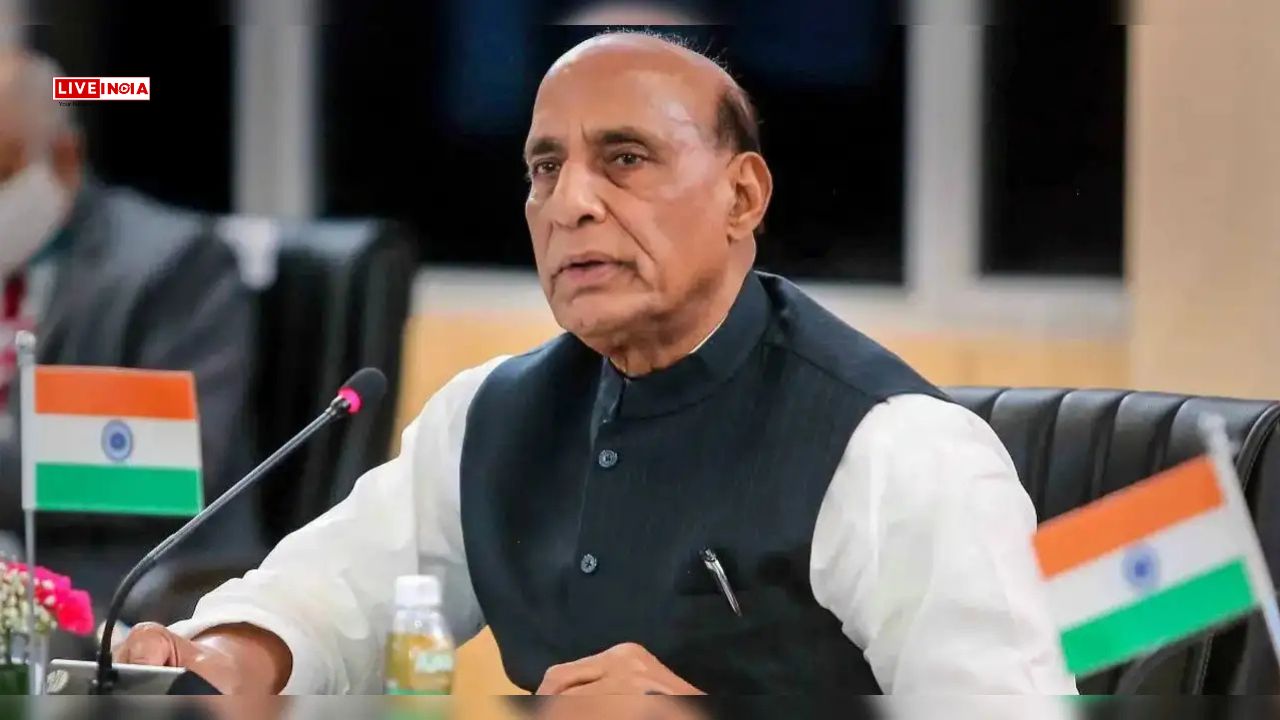


Rajnath Singh reveals upgraded death toll from precision Indian air strikes on nine Pakistan-based terror camps; operation described as “measured, non-escalatory, and targeted.”
New Delhi | May 8, 2025:
Over 100 terrorists were killed and 60 more injured in Operation Sindoor, India’s swift retaliatory strike on terror infrastructure in Pakistan and Pakistan-Occupied Kashmir (PoK), Defence Minister Rajnath Singh revealed at Thursday’s all-party meeting in Delhi.
Also Read: CNN Host Schools Pakistan Minister For Bizarre ‘Social Media’ Proof On Downing IAF Jets
The revised casualty figure is significantly higher than the initial estimate of 70, sources confirmed.
Conducted during the early hours of May 7, Operation Sindoor was a synchronised 25-minute military campaign using precision weaponry, including SCALP missiles and HAMMER bombs. The targets: nine high-value terror camps run by Lashkar-e-Taiba and Jaish-e-Mohammed, the groups behind the Pahalgam attack and the 2019 Pulwama bombing respectively.
“The operation was precise, responsible, and focused solely on eliminating the terror infrastructure,” said Colonel Sofiya Qureshi, while addressing the media Wednesday alongside Wing Commander Vyomika Singh.
India’s military carefully ensured no Pakistani military facilities were targeted, and civilian casualties were minimised. However, the government reiterated that the armed forces remain on high alert in case of retaliatory strikes.
The offensive follows the April 22 Pahalgam massacre, in which 26 civilians—including a 70-year-old man—were executed at point-blank range, some in front of their families. The incident sparked nationwide outrage and international condemnation, intensifying pressure on India to respond.
Also Read: Missile Debris Found in Punjab Villages After Nighttime Explosions Amid Indo-Pak Tensions
India has blamed Pakistan’s “deep state” for orchestrating the attack, citing “credible intelligence” and foreign links to Lashkar operatives. While Islamabad has denied involvement and demanded an international inquiry, the UN Security Council reportedly pressed Pakistan on allowing terror groups to operate freely from its soil.
In parallel to the military response, India has initiated several non-military measures, including:
- Suspension of key visa categories for Pakistani nationals
- Halting the Indus Waters Treaty (IWT)—a 1960 agreement crucial for Pakistan’s agriculture
- Review of diplomatic engagements with Pakistan
Pakistan responded by putting the 1972 Simla Agreement “on hold,” thereby formally challenging the current Line of Control framework.
Meanwhile, cross-border firing has intensified, with 13 Indian fatalities reported since the Pahalgam attack, including in vulnerable sectors such as Uri, Kupwara, Baramulla, and Akhnoor. The Indian Army has said it is delivering proportionate counter-fire.
The all-party meeting was reportedly constructive, with Defence Minister Singh emphasizing unity and preparedness. Political leaders across party lines echoed support for the Indian armed forces’ conduct and restraint.
Tags:
Operation Sindoor, Rajnath Singh, Indian Armed Forces, Pakistan Terror Camps, Pahalgam Attack, India Pakistan Conflict, SCALP Missile, HAMMER Bomb, Lashkar-e-Taiba, Jaish-e-Mohammed, PoK Strikes, Indian Defence Ministry, All Party Meet, Indus Waters Treaty, Simla Agreement, Cross Border Firing, Indian Army, OperationSindoor,