


White House says President still views U.S.-Canada integration as beneficial, emphasizes flexibility in tariff negotiations for automakers
Washington, DC, April 16:
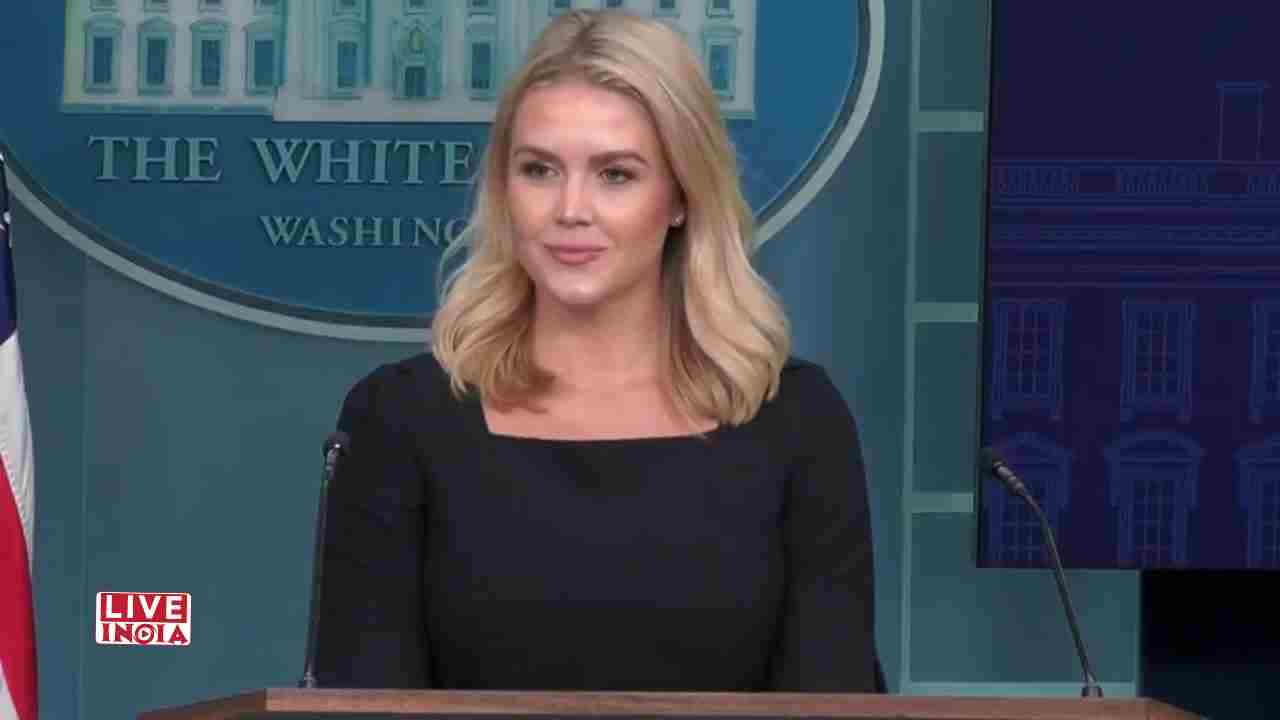
US President Donald Trump still believes that Canada would benefit greatly from becoming the 51st state of the United States, according to White House Press Secretary Karoline Leavitt. Speaking at a press briefing on Tuesday, Leavitt dismissed suggestions that the President had toned down his stance on Canada.
“The President still maintains his position on Canada. The United States has been subsidising Canada’s national defence, and he believes Canadians would benefit greatly from becoming the 51st state,” Leavitt stated.
Trump has made similar remarks in the past, even referring to former Canadian Prime Minister Justin Trudeau as the “Governor of Canada” in jest.
Tariff Relief for Automakers: “President is Flexible”
Leavitt also addressed questions on potential relief for automakers amid ongoing tariff negotiations. While no formal announcement was made, she noted Trump’s commitment to prioritizing American workers and his flexibility during international trade talks.
“His goal is to put the American worker first. The President’s been very clear about that in his conversations with automakers,” she said.
During a meeting with El Salvador’s President Nayib Bukele on Monday, Trump suggested that temporary tariff exemptions could be granted for car companies using foreign-made parts, allowing time to shift production back to the U.S.
Trump: “I Don’t Change My Mind, But I’m Flexible”
In remarks quoted by Fox News, Trump elaborated on his negotiating style:
“Look, I’m a very flexible person. I don’t change my mind, but I’m flexible. Sometimes you have to go around the wall, under it, or above it,” he said, adding that his administration is considering measures to help businesses amid trade transitions.
Tariff War with China Intensifies
The comments come days after Trump announced a 125% tariff hike on Chinese imports, following China’s decision to raise tariffs on U.S. goods from 34% to 84% effective April 10. In response, Trump implemented a 90-day pause on reciprocal tariffs for 75 countries engaged in active trade talks with the U.S., offering a lower tariff rate during the negotiation window.
As Trump eyes another term and shapes his foreign policy narrative, his hardline trade stance and unconventional diplomatic ideas—like incorporating Canada as a U.S. state—continue to make waves on the global stage.