
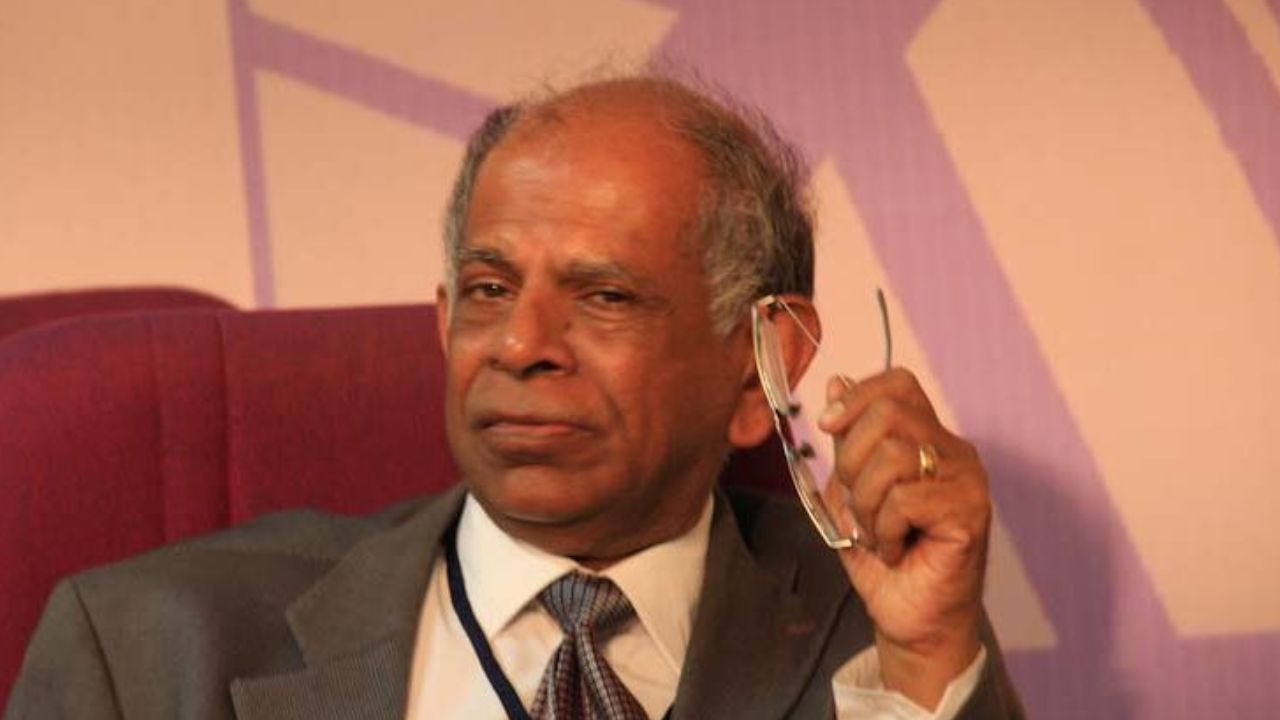


May 15, 2025: Foreign affairs expert KP Fabian has stressed the importance of India presenting concrete evidence of the recent terrorist attack in Pahalgam, Jammu and Kashmir to the United Nations Security Council (UNSC). He also emphasized that India should push for the designation of The Resistance Front (TRF) as a terrorist organization.
Fabian acknowledged that China’s potential veto poses a significant obstacle to this effort. “If China objects, the UNSC will be unable to declare the TRF a terrorist entity,” he said. Still, he advocated that India must present its case to the international community. “We need to share the evidence we have with the Security Council, even if it’s not public right now. Perhaps later, we can release a white paper.”
He also pointed out the importance of clearly attributing the attack to a specific group and linking it to Pakistani support. “It is not in China’s interest to support terrorism in Pakistan, but that choice ultimately lies with Beijing,” Fabian remarked.
A technical team from India recently met with UN officials in New York, including Vladimir Voronkov, Under-Secretary-General for Counter-Terrorism, and Natalia Gherman, Assistant Secretary-General of the Counter-Terrorism Committee Executive Directorate (CTED). Discussions focused on countering the use of emerging technologies by terrorists, aligning with the 2022 Delhi Declaration, which India helped shape as chair of the UN Counter-Terrorism Committee.
Commenting on U.S. foreign policy, Fabian welcomed recent remarks from the U.S. State Department, which reiterated that America is not mediating in the Kashmir dispute. “The spokesperson clearly stated that the U.S. is not involved in any mediation. That’s the right position,” he noted.
During a press briefing on May 13, U.S. State Department spokesperson Thomas “Timmy” Pigott affirmed that the United States encourages direct communication between India and Pakistan. While refraining from speculation, Pigott emphasized President Biden’s praise for both nations choosing the path of peace.
Fabian also addressed the recent Operation Sindoor, launched by India on May 7 in retaliation for the Pahalgam terror attack, which killed 26 civilians, including one Nepali national. India’s strikes targeted terror infrastructure in Pakistan and Pakistan-occupied Jammu and Kashmir (PoJK).
He defended India’s actions and criticized Pakistan’s response. “India targeted terror camps—not military assets or civilians. Pakistan could have chosen not to retaliate, but it did, and India had to respond again.”
Operation Sindoor led to damage of radar systems, communication hubs, and airfields across Pakistani airbases. However, by May 10, both nations reached an understanding to halt further hostilities.