


May 6, 2025: Amid rising tensions following the April 22 terror attack in Jammu and Kashmir’s Pahalgam, former Indian Ambassador to China, Gautam Bambawale, has emphasized that India must act based on its national interest and not be swayed by international opinions or the recent United Nations Security Council (UNSC) discussions.
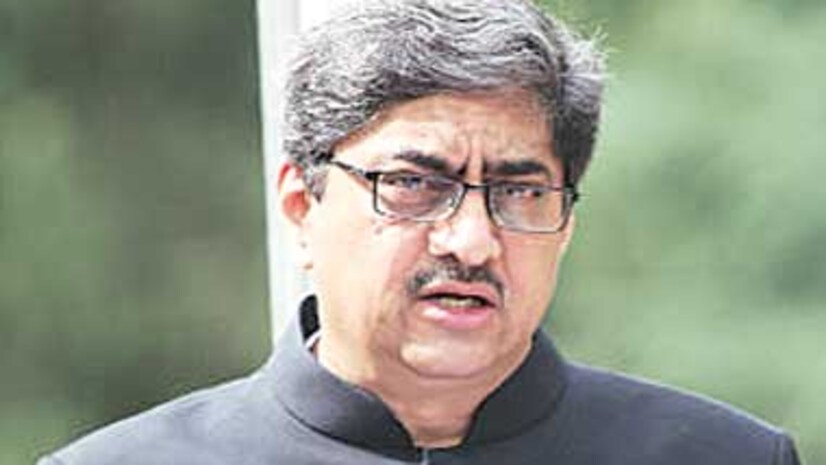
Speaking on the aftermath of the UNSC’s closed-door meeting on the Kashmir issue, Bambawale underscored that while global powers may urge restraint, India must retain full autonomy in decision-making regarding its security and regional policy.
“I believe India should do whatever it needs to do in its own national interest,” Bambawale stated. “We should not place undue importance on what the UNSC or its member states are saying. While it is beneficial to have international support, our actions must remain aligned with our national priorities.”
Bambawale acknowledged that the global community has condemned the terror attack and called for de-escalation, but he reiterated that India should not let external voices override its sovereign decisions.
Following the deadly attack in Pahalgam, which left 26 people dead — including one Nepali national — Pakistan requested an emergency UNSC consultation. However, during the closed-door session, sources revealed that UNSC members posed difficult questions to Pakistan, particularly regarding the potential involvement of Lashkar-e-Taiba, a proscribed terror outfit with well-known links to Pakistan.
The council members reportedly dismissed Pakistan’s “false flag” claims and focused instead on accountability. Several members also expressed concern over the deliberate targeting of tourists based on their religious identity. Notably, no official statement was issued by the UNSC after the meeting, signaling a lack of consensus or support for Pakistan’s narrative.
Meanwhile, United Nations Secretary-General António Guterres called for “maximum restraint,” urging both nations to avoid military confrontation and instead commit to peace-building diplomacy.
“Tensions between India and Pakistan are at their highest in years,” Guterres said. “I strongly condemn the attack in Pahalgam and extend my condolences to the victims’ families. Targeting civilians is unacceptable, and those responsible must be held accountable.”
Guterres warned against escalating the conflict further, emphasizing that “a military solution is no solution.” He added that the United Nations stands ready to support any initiative aimed at promoting de-escalation and peace in the region.
Despite global appeals, India appears resolute in following a path that aligns with its strategic and security objectives, echoing the former envoy’s sentiments that sovereignty must remain the guiding principle in times of international scrutiny.