


Tehran signals retaliation as oil routes near Strait of Hormuz come under threat
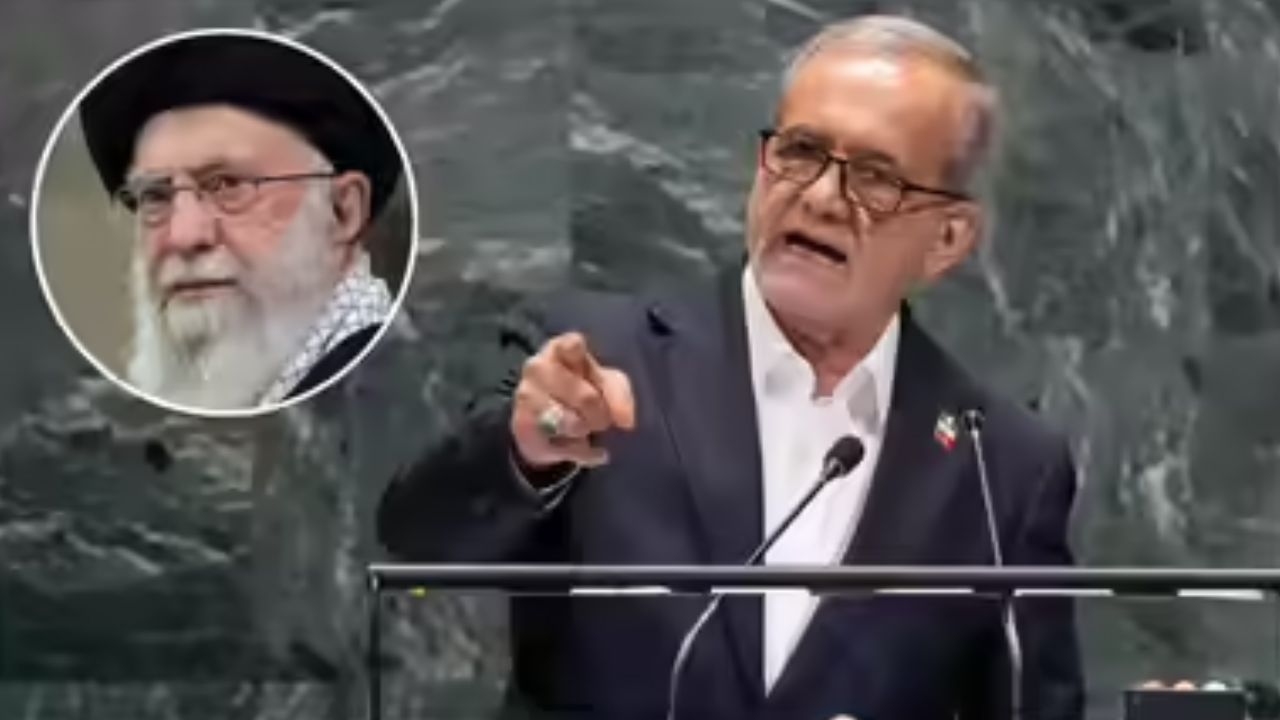
March 1, 2026: Iran has pledged strong retaliation following the reported killing of Supreme Leader Ali Khamenei, with President Masoud Pezeshkian calling revenge a “legitimate right and duty.” His remarks came amid continued Israeli strikes on Tehran and rising instability across the region. Authorities said the government would take all necessary steps to respond, even as senior officials moved to ensure state institutions continue functioning under mounting military pressure.
In an official statement, Pezeshkian said Khamenei’s death would not go unanswered, signalling the possibility of further military action. State media reported that First Vice President Mohammadreza Aref has directed ministers and provincial governors to maintain uninterrupted administration during what officials termed wartime conditions. The killing of Khamenei — reportedly in a coordinated strike involving Israel and the United States — marks a dramatic escalation in the long-running shadow conflict and leaves a leadership vacuum at the apex of the Islamic Republic.
Beyond Tehran, the crisis is beginning to affect critical maritime routes. Oman’s maritime security centre reported that an oil tanker was attacked near the Strait of Hormuz, a chokepoint through which a significant share of global oil supplies transit. Drone strikes were also reported near Omani port infrastructure, raising fears of wider disruption. With energy markets on edge and threats of further retaliation looming, the risk of broader regional fallout continues to grow.