


June 22, 2025: The Middle East is bracing for a new wave of instability after the United States carried out precision airstrikes on Iran’s nuclear facilities on June 21, striking sites in Fordo, Natanz, and Isfahan. The bold move has triggered a sharp escalation in regional tensions, placing Iraq at the center of a possible retaliatory response.
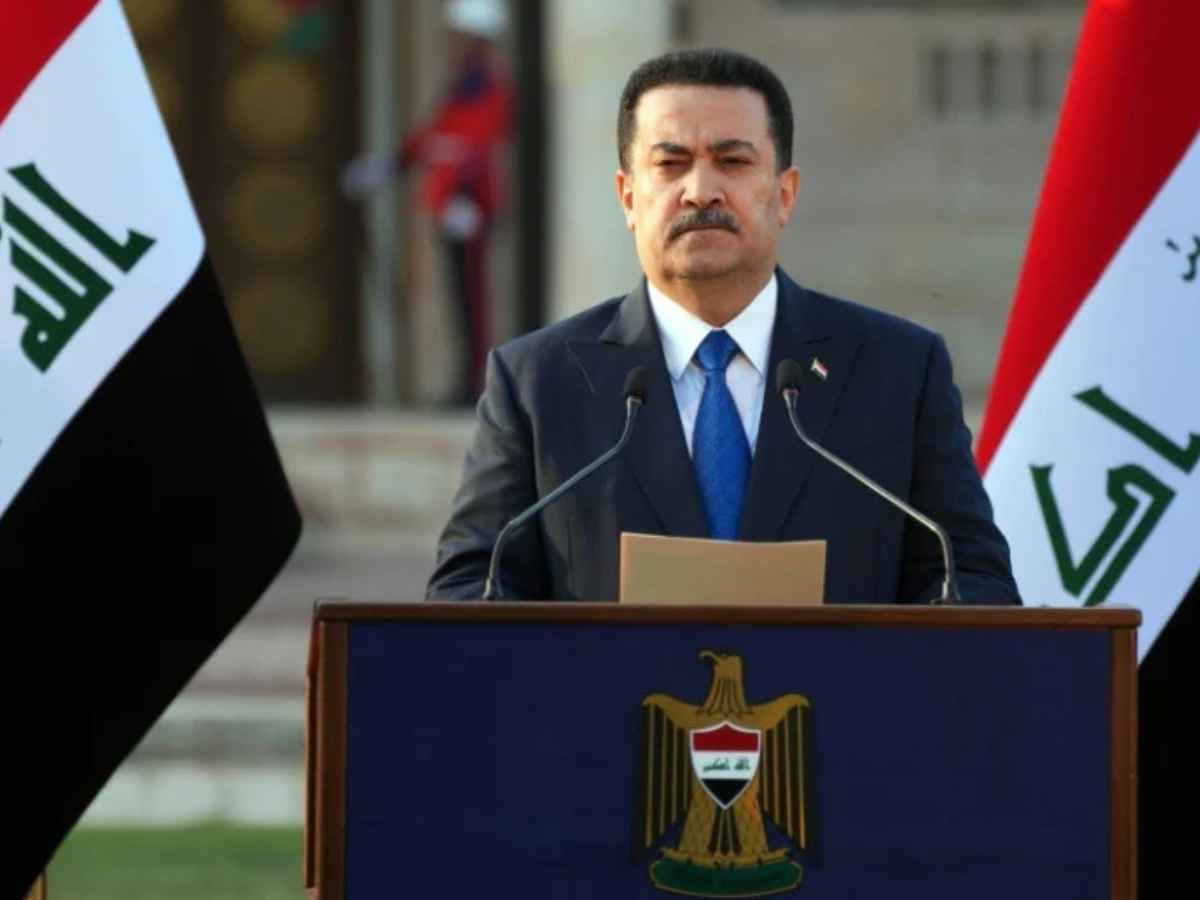
In response to the airstrikes, Iraqi Prime Minister Mohammed Shia Al-Sudani has ordered heightened security across the fortified Green Zone in Baghdad. U.S. diplomatic missions and military installations in the region have also ramped up security measures, anticipating potential Iranian retaliation.
According to Iraqi intelligence sources, Iran is reportedly considering targeting the U.S. Embassy in Baghdad, a move that could ignite a wider conflict across the region.
Iranian Defense Minister Aziz Nasirzadeh issued a stark warning, declaring that “all U.S. bases are within our reach,” specifically naming high-profile installations such as Al-Asad Air Base, Camp Taji, and Ramadi. Other American outposts in Bahrain, Kuwait, and Qatar have also been placed on elevated alert, with non-essential diplomatic personnel already evacuated.
The United States has acknowledged the gravity of the situation, issuing travel warnings and preparing for potential emergency evacuations from key areas in the Gulf.
With Iraq now straddling both diplomatic and military fault lines, regional observers warn that a single misstep could set off a chain reaction, threatening fragile regional stability and drawing multiple powers deeper into the conflict.