
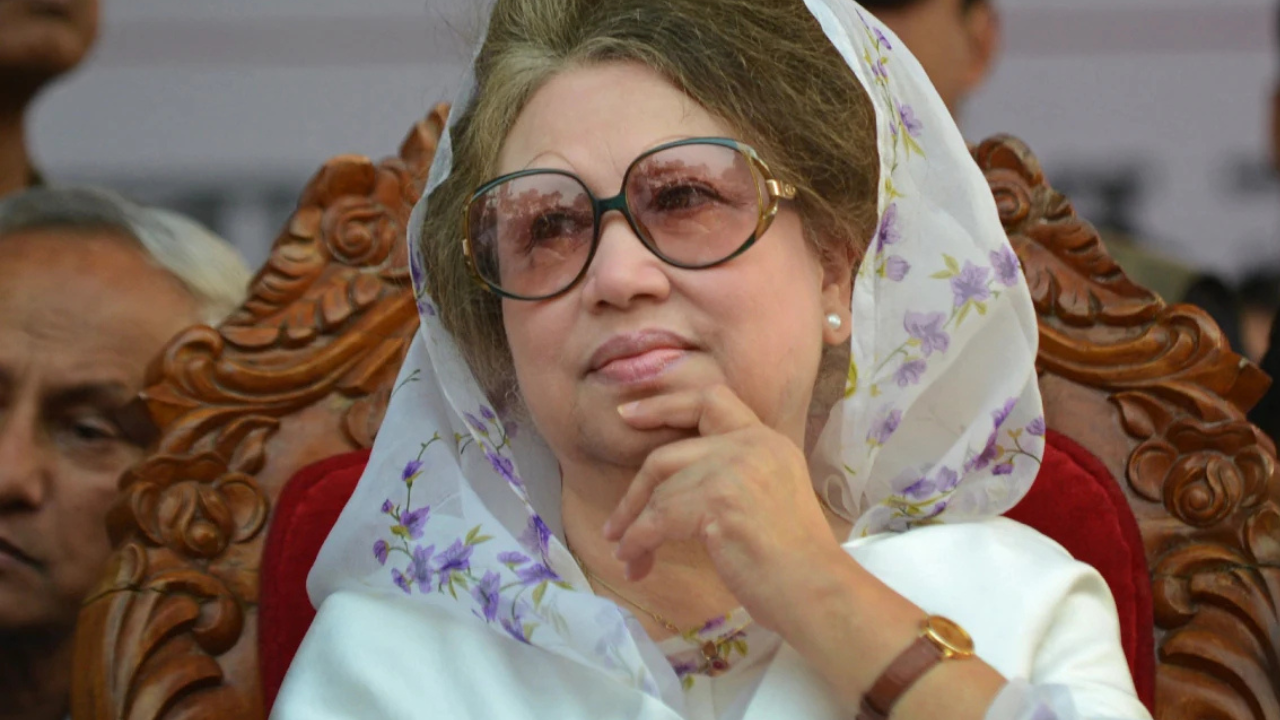


May 06, 2025: Former Prime Minister of Bangladesh, Khaleda Zia, returned to Dhaka on Tuesday after receiving months of medical treatment in London, marking a significant moment for the Bangladesh Nationalist Party (BNP) and its supporters.
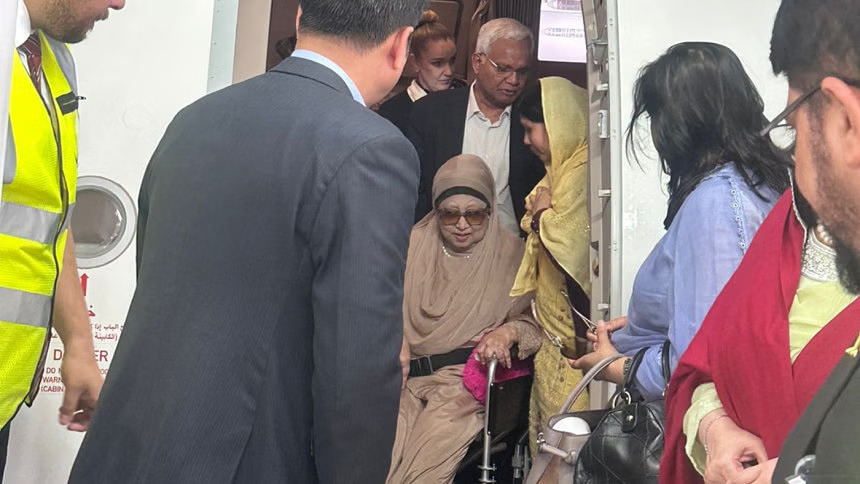
Khaleda, who departed for London on January 8 this year due to multiple health complications, was welcomed back by thousands of BNP leaders and supporters. They lined the streets from the airport to her Gulshan residence, waving party and national flags and holding placards with her image. Security was heightened with army deployment to ensure order.
She was accompanied by her daughters-in-law, Zubaida Rahman and Sharmila Rahman, and returned on a special flight arranged by Qatar’s Emir, Sheikh Tamim bin Hamad Al Thani.
Khaleda’s son, Tarique Rahman, who has been in self-imposed exile in London for the past 17 years due to legal cases filed during Prime Minister Sheikh Hasina’s tenure, continues to serve as BNP’s acting chairman. With Khaleda’s health reportedly improving, her return has been viewed not just as a homecoming but a symbolic rebuttal to years of political marginalization and public skepticism about her condition.

Attention has now turned to the party’s future. Speculation is growing around Zubaida Rahman’s potential political role, following her return after nearly two decades. Though she has no prior political experience, her reappearance is being closely watched as the BNP contemplates a leadership transition.
BNP Secretary-General Mirza Fakhrul Islam Alamgir called her return a “significant day for the country,” stating, “At this crucial time for democracy, her presence marks a turning point. We believe Khaleda Zia’s return will facilitate the path to democratic transition.”
Despite the renewed optimism, the BNP faces considerable internal challenges. Years of political suppression, organizational weakness, and leadership exile have strained the party’s cohesion. Allegations of misconduct at the grassroots level—including extortion, infighting, and power struggles—continue to damage its credibility.
While Khaleda Zia is unlikely to re-enter frontline politics due to her health, she is emerging as a symbol of resilience and moral leadership. Her return may energize the party’s base, but real transformation will depend on disciplined leadership and internal reform.