
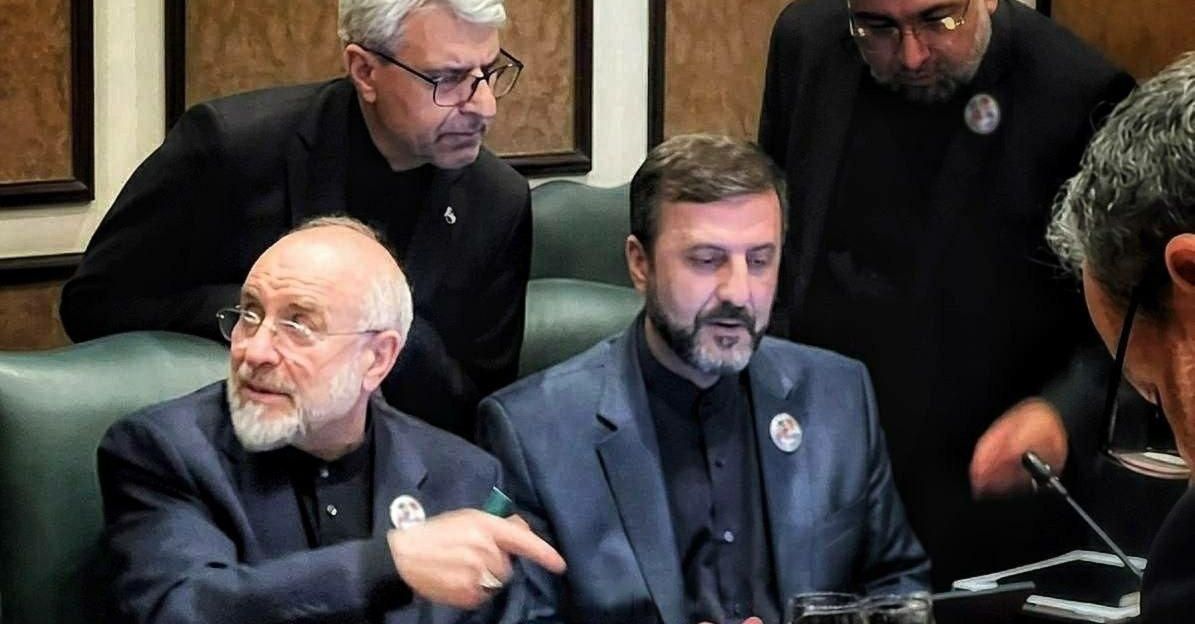


High-stakes negotiations between the United States and Iran in Islamabad concluded their first day after nearly 14 hours of intense discussions, with no major breakthrough achieved. Talks are set to resume on Sunday, according to Iranian media.
In a notable shift from earlier indirect engagements, the latest round was held face-to-face, marking a departure from the “proximity talks” format where delegations communicated through mediators.
Key Leaders Head Delegations
The US delegation was led by Vice President JD Vance, accompanied by special envoy Steve Witkoff and Jared Kushner, son-in-law of Donald Trump.
On the Iranian side, Parliamentary Speaker Mohammad Bagher Ghalibaf led a delegation of over 70 members, joined by Foreign Minister Abbas Araghchi.
Tensions Persist Despite Dialogue
Even as talks began, reports emerged of two US warships transiting the Strait of Hormuz—a significant development amid ongoing tensions.
Conflicting signals also surfaced regarding the possible unfreezing of Iranian assets held abroad. While earlier reports suggested Washington had agreed to release funds, US officials later denied any such move. The issue remains a key demand from Tehran.
Iran Sets Firm ‘Red Lines’
Iran reiterated its non-negotiable conditions, including:
- Freeing blocked financial assets
- Payment of war reparations
- Securing the Strait of Hormuz
- Enforcing a broader regional ceasefire, including in Lebanon
Speaking ahead of the talks, Ghalibaf struck a cautious tone, highlighting Tehran’s lack of trust in past negotiations with Washington.
Pakistan Calls Talks ‘Make Or Break’
Hosting the negotiations, Prime Minister Shehbaz Sharif described the current phase as critical.
He noted that while a temporary ceasefire is in place, achieving a lasting agreement will be far more challenging, calling it a “make or break” moment for both sides.
Fragile Ceasefire, Uncertain Outcome
The talks are taking place against the backdrop of a fragile two-week ceasefire. However, disagreements persist over its scope, particularly regarding alleged inclusion of Israeli operations in Lebanon—claims denied by both Benjamin Netanyahu and Donald Trump.
With casualties continuing in the region and trust deficits still deep, the outcome of the Islamabad talks remains uncertain as both sides prepare for the next round of negotiations.