
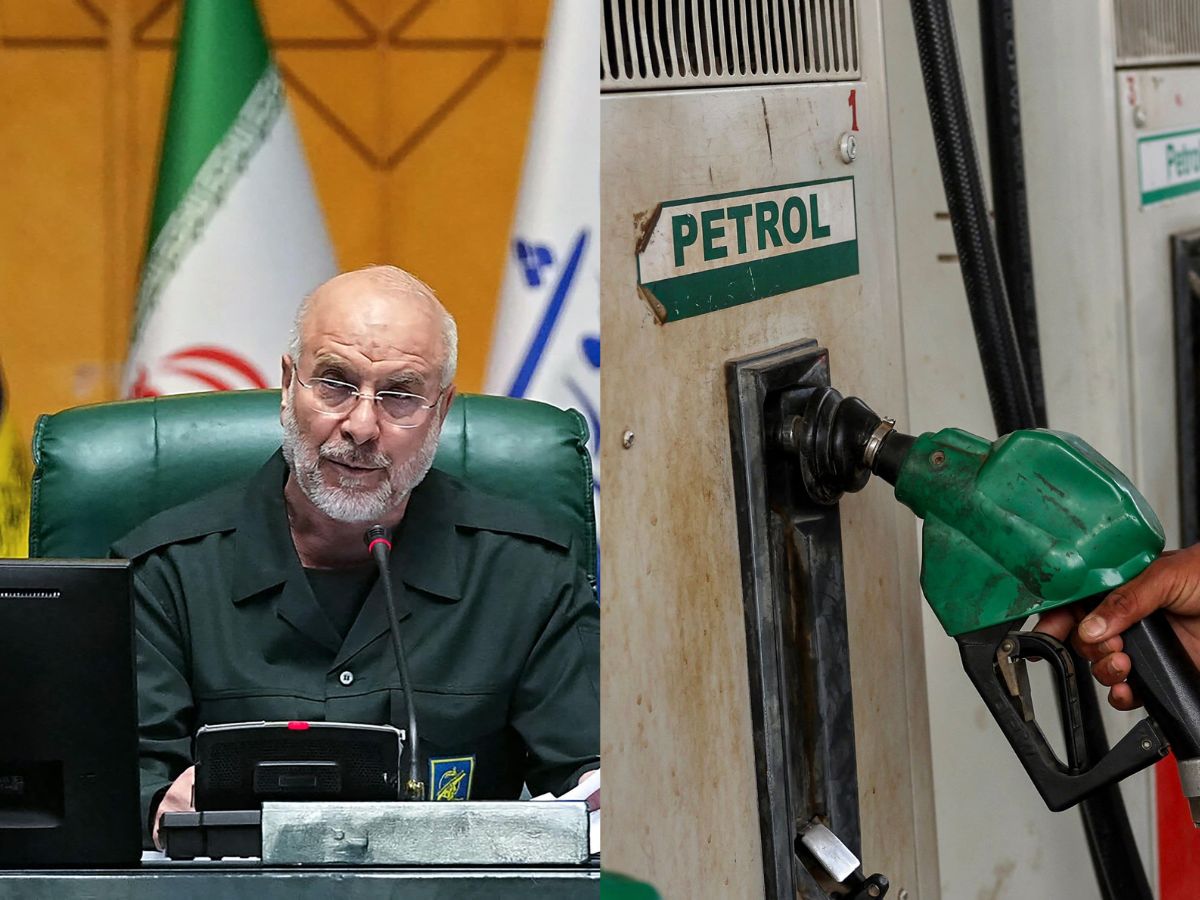


Global energy markets are in a state of shock as oil prices surged past the $100-per-barrel mark following a late-night announcement by US Central Command (CENTCOM) regarding a naval blockade of Iran. The decision to block all maritime traffic entering or exiting Iranian ports via the Strait of Hormuz comes on the heels of the failed Islamabad peace talks, which were mediated by Pakistan on Saturday.
Price Surge and Economic Warning
The impact on crude benchmarks was immediate. Brent crude futures jumped 7.3% to hit $102.16, while U.S. West Texas Intermediate (WTI) surged 8.4% to reach $104.69. President Donald Trump has acknowledged the severity of the situation, warning that Americans should prepare for sustained high gasoline prices that could last through the November midterm elections. The blockade is scheduled to officially commence at 7:30 PM IST (1400 GMT) on Monday.
Geopolitical Mockeries and Threats
The move has triggered a sharp war of words between Washington and Tehran. Iranian Speaker Mohammad Bagher Ghalibaf, who represented Iran at the Islamabad talks, took to social media to mock the US administration. Sharing images of rising gas prices at stations near the White House, Ghalibaf wrote: “Enjoy the current pump figures. With the so-called ‘blockade’, you’ll soon be nostalgic for $4–$5 gas.”
Meanwhile, Iran’s Revolutionary Guards have issued a stern ultimatum, stating that any US military approach toward the Strait of Hormuz will be viewed as a violation of the fragile two-week ceasefire. They have promised a “harsh and decisive” response to any perceived incursions. Despite the rising tensions, shipping data showed that three supertankers successfully navigated the Strait on Saturday—the first vessels to do so since the ceasefire began last week.