


Arms deals with Arab nations signal Islamabad’s expanding military reach
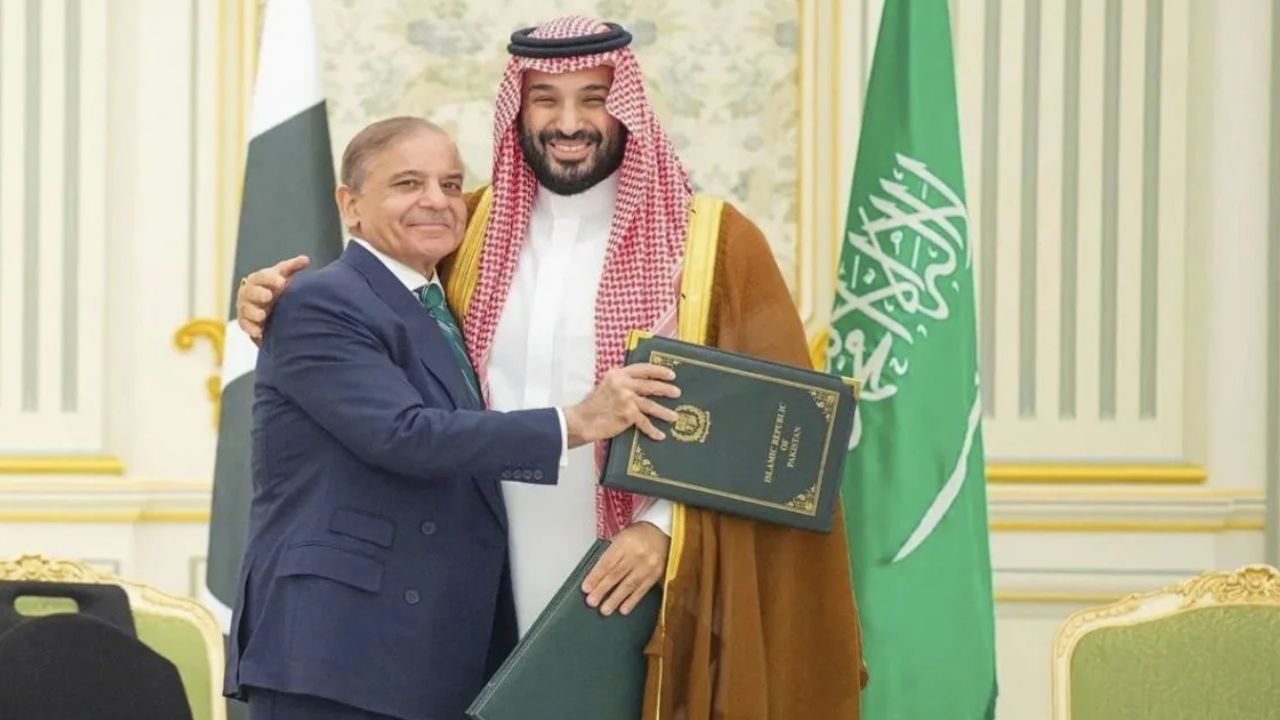
January 16, 2026: Pakistan is steadily expanding its military footprint across the Arab world, buoyed by Chinese support and a series of emerging defence deals that could reshape regional power dynamics in South and West Asia. Islamabad is close to finalising multi-billion-dollar arms agreements with Saudi Arabia and Sudan, while also working on a draft trilateral defence pact with Saudi Arabia and Turkey, envisioned as a NATO-like alliance among Islamic nations. Pakistan’s Minister for Defence Production, Raza Hayat Harraj, confirmed that the draft agreement has been under discussion among the three countries for the past ten months and awaits final consensus.
Alongside the proposed trilateral pact, Pakistan is negotiating significant arms exports. It is reportedly in the final stages of a $1.5 billion deal to supply weapons and fighter jets to Sudan, and is also in talks with Riyadh to convert around $2 billion in Saudi loans into a JF-17 fighter jet agreement. The JF-17 Thunder, jointly produced by Pakistan and China, has also attracted interest from Iraq. While these deals may not match the scale of global mega-arms contracts, analysts see them as a sign of Pakistan’s growing influence as a defence supplier in the Arab world.
Experts caution that Islamabad’s expanding military role comes with diplomatic risks, as the Middle East remains deeply divided by competing alliances and conflicts. Supplying weapons to rival factions could strain Pakistan’s relationships with key partners, particularly where Saudi Arabia, the UAE and other regional players back opposing sides. Backed by China, however, Pakistan’s defence platforms are increasingly seen as reliable alternatives in a polarised global arms market, potentially giving Islamabad greater strategic leverage even as it navigates a complex geopolitical landscape.