
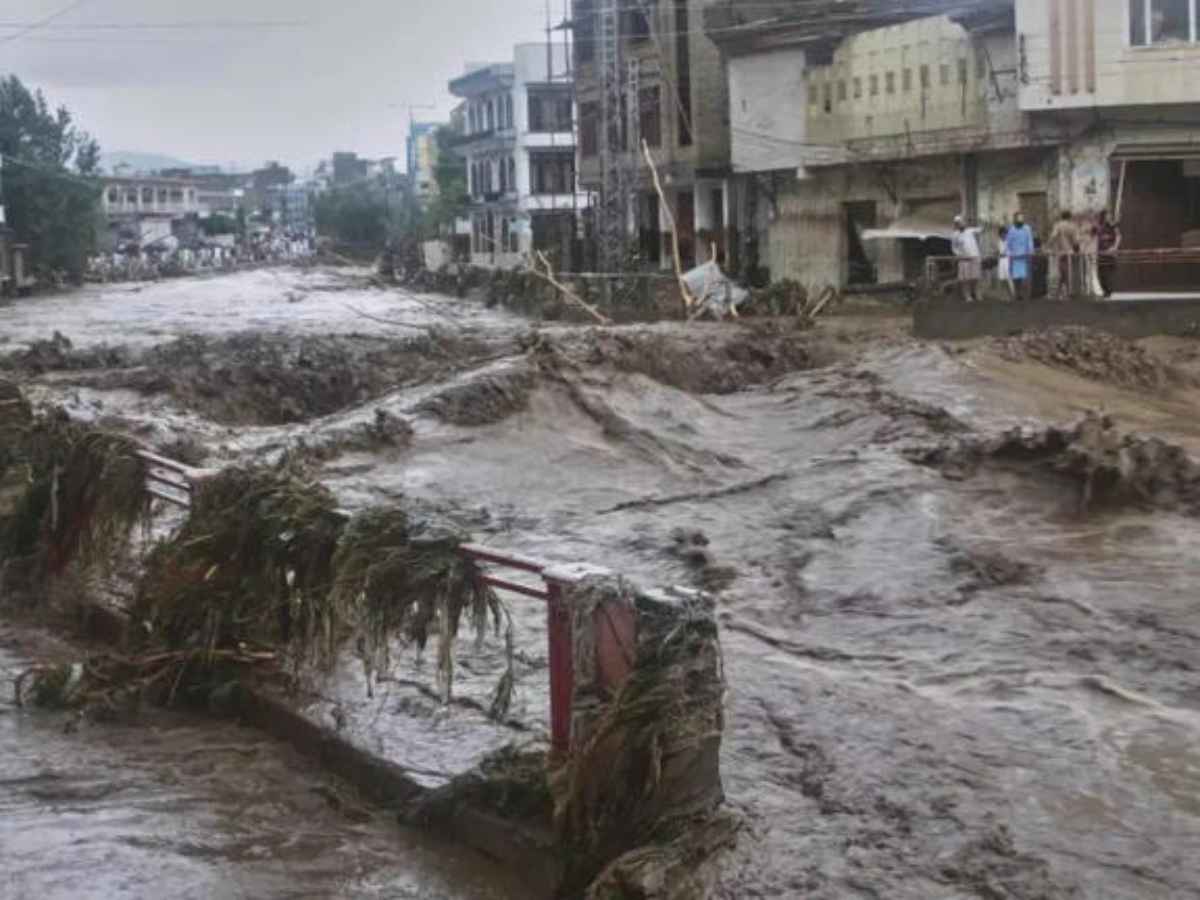


Authorities are struggling to reach remote regions as the death toll rises in mountainous areas, with the meteorological department warning of more intense rainfall over the next two weeks.
August 16, 2025: Authorities reported on Saturday that rescuers are having a hard time getting to stranded survivors and getting bodies out of the water after torrential monsoon rains caused flash floods that killed at least 321 people in northern Pakistan in the last 48 hours. One homeowner called the terrible floods “doomsday,” as they have caused a lot of damage and declared numerous districts as disaster-hit areas.
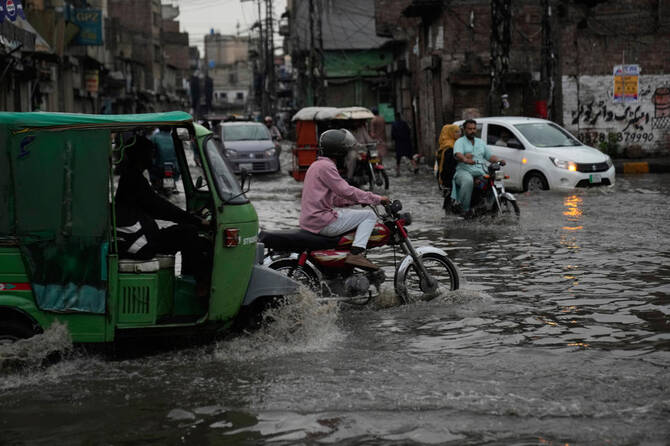
The hilly Khyber Pakhtunkhwa (KP) province had the most deaths, with 307. A lot of them were in the hard-hit Buner area. In Pakistan-administered Kashmir, nine more people died, while in the northern Gilgit-Baltistan region, five more people perished. Five more people, including two pilots, died when a helicopter on a relief mission crashed on Friday because of severe weather.
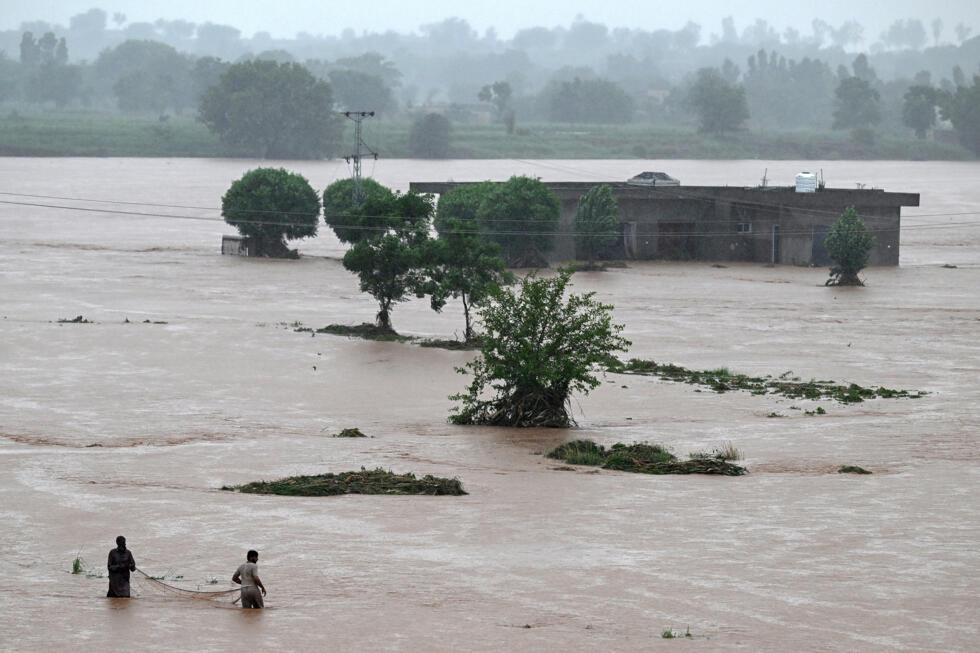
In nine devastated regions, almost 2,000 rescue professionals are working to help people and recover. But their work is being greatly slowed down by constant rain, landslides, and roads that have been wiped out. “Heavy rain, landslides in some areas, and roads that have been washed out are making it very hard to get help to people, especially when it comes to moving heavy equipment and ambulances,” Bilal Ahmed Faizi, a spokesperson for Khyber Pakhtunkhwa’s rescue service, told AFP.
Many rescue workers had to walk to get to isolated areas since roads are blocked. “They are trying to get survivors out of the area, but very few people are moving because their relatives or loved ones are still trapped in the debris,” Faizi said.
The weather authority has warned that there would be heavy rain in Pakistan’s northwest and recommended citizens to take “precautionary measures.” A official from the national disaster agency called this year’s monsoon season “unusual.” It started sooner and is likely to end later, and the severity of the monsoon is expected to “further worsen” over the following 15 days.
Climate change has been related to the extreme weather occurrences, which have rendered Pakistan one of the countries most sensitive to its impacts. Experts have pointed to a study that revealed that this monsoon’s rainfall was 10–15% greater because of global warming. This shows that severe weather is becoming more common in the area.