


New 90-page law permits domestic discipline, dismantles key protections for women
February 19, 2026: Nearly five years after returning to power in Afghanistan, the Taliban has introduced a sweeping 90-page penal code signed by its supreme leader Hibatullah Akhundzada, triggering sharp global criticism. The law formalises several restrictive policies, including a controversial provision allowing husbands to physically discipline their wives and children, provided it does not cause “broken bones or open wounds.” If deemed excessive, the maximum penalty is reportedly 15 days in prison, with accountability dependent on the victim presenting evidence before a judge under strict social constraints.
The code also introduces a stratified justice system, with punishments varying based on social status. Article 9 divides society into categories such as religious scholars, elite, middle class and lower class, prescribing differing consequences for the same offence. Serious corporal punishments are to be administered by Islamic clerics. The legislation effectively repeals the 2009 Elimination of Violence Against Women (EVAW) law enacted under the former government, removing legal protections against forced marriage, rape and other forms of gender-based abuse, according to rights groups.
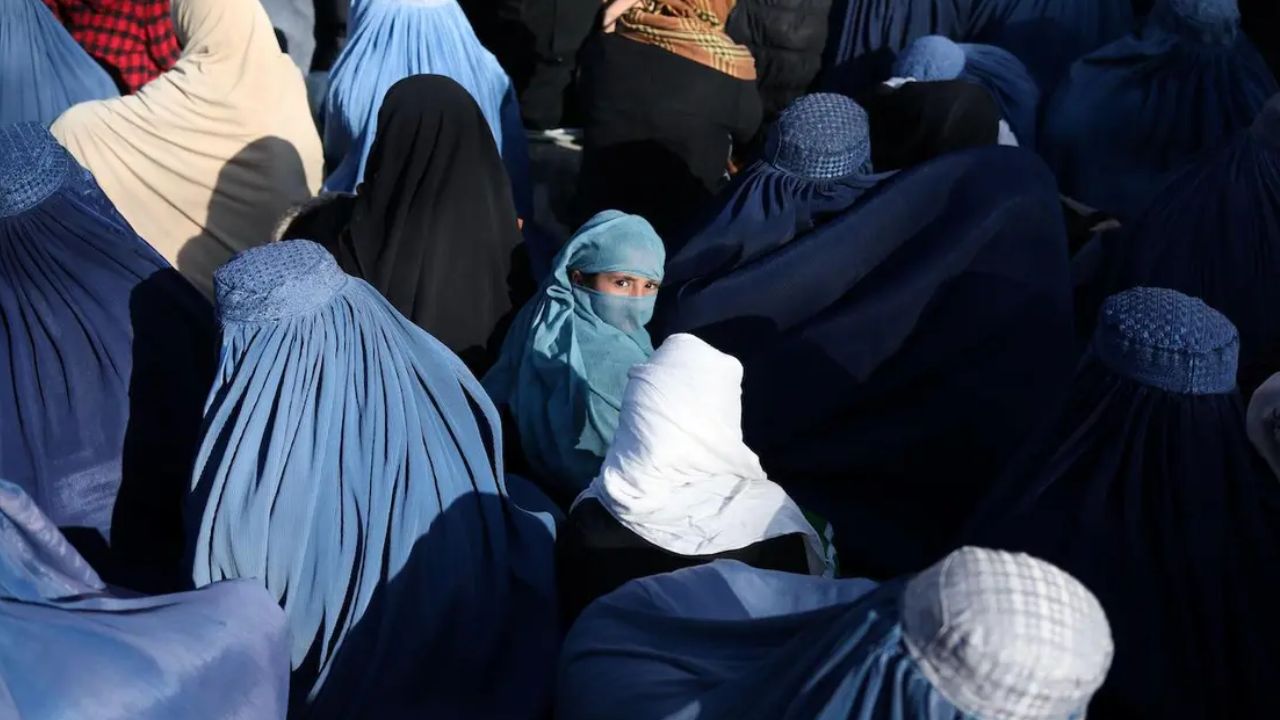
The new code comes amid broader restrictions on women’s lives, including bans on secondary and higher education, limits on employment and curbs on public participation. Reacting to the development, Reem Alsalem, the UN Special Rapporteur on violence against women and girls, described the implications as “terrifying” and questioned whether the international community would intervene. As scrutiny intensifies, rights organisations warn that the penal code could fundamentally reshape legal protections for women and children in Afghanistan.