


Delhi Police Crime Branch begins probe into fake visa racket involving Punjab and Haryana agents; Georgetown researcher detained in US amid rising scrutiny of foreign students.
New Delhi, March 21:
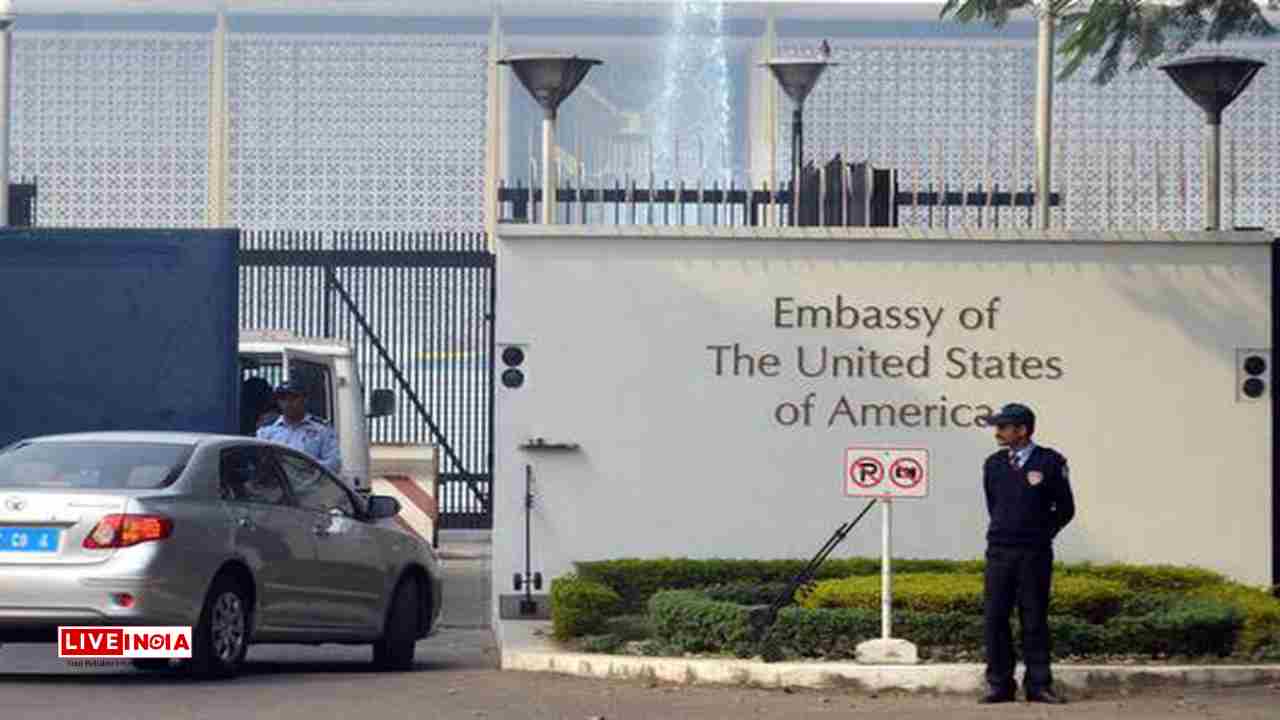
The Delhi Police Crime Branch has filed an FIR against more than 30 visa and passport agents, primarily from Punjab and Haryana, following a complaint by the US Embassy that exposed a widespread visa fraud network.
Filed on February 27, the complaint alleges that these agents were involved in submitting false information and fake documents—such as forged educational degrees, bank statements, and employment records—to support fraudulent US visa applications. The embassy stated that these actions were deliberate attempts to deceive the US government and manipulate the visa process.
The US Embassy further revealed that an internal investigation between May and August 2024 uncovered multiple IP addresses linked to fraudulent visa consultants and document vendors. The report identified individuals involved in falsifying credentials, passport delivery schemes, and educational consultancy scams.
The Delhi Police registered the case under Sections 318, 336, and 340 of the Bharatiya Nyaya Sanhita (BNS), along with Section 66(D) of the Information Technology Act, and an investigation is currently underway.
Crackdown in the US: Indian Researcher Detained
In a related development, US federal immigration authorities detained Badar Khan Suri, an Indian national and postdoctoral fellow at Georgetown University, Virginia. He was arrested outside his home in Arlington’s Rosslyn neighborhood earlier this week.
According to court filings cited by Politico, masked agents from the US Department of Homeland Security informed Suri that his student visa had been revoked and placed him under deportation proceedings. His lawyers claim this is part of a larger crackdown on student activists allegedly critical of US foreign policy, particularly surrounding the Israel-Palestine conflict.
Suri’s petition argues that he has no criminal record and has not been formally charged, and that his deportation is being pursued under a rare provision that permits removal if a non-citizen is deemed a foreign policy threat. The same provision has also been used to target other student activists, including those at Columbia University.
The developments underscore a widening transnational crackdown on visa fraud and foreign students amid heightened immigration scrutiny in both India and the United States.