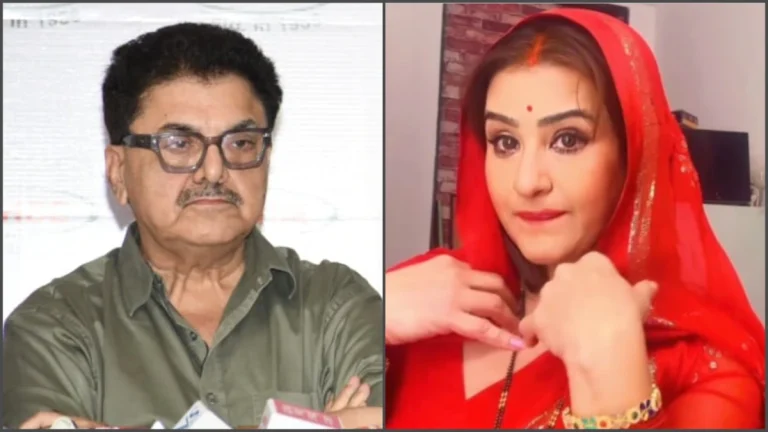
A massive storm has erupted in the Indian television industry following a shocking admission by Bhabhi Ji Ghar Par Hain actress Shilpa Shinde. In a recent podcast appearance, the actress candidly revealed that the sexual harassment complaint she had filed a decade ago against the show’s producer, Sanjay Kohli, was entirely fabricated. The explosive admission has triggered intense backlash, drawing heavy condemnation from industry leaders, filmmakers, and fellow actors alike.
Leading the outrage, veteran filmmaker and Chief Advisor of the Federation of Western India Cine Employees (FWICE), Ashoke Pandit, slammed the actress for weaponizing sensitive legal provisions. Pandit pointed out that using grave allegations like sexual misconduct to settle personal or professional scores sets a dangerous precedent and inflicts irreversible damage on an innocent person’s life, career, and mental well-being.
Weaponizing Serious Allegations for Personal Disputes
Speaking to The Indian Express, Ashoke Pandit did not hold back his fury, describing Shinde’s actions as deeply wrong. He emphasized that producers often swallow their pride and maintain public silence simply to ensure that a television show keeps running, thereby protecting the daily bread of hundreds of crew members. He stated that this silent resilience should never be taken as a free pass by an accuser to throw reckless, career-ending mud at a professional colleague.
The 2016 Controversy: A Quick Timeline Recap
- The Exit (2016): Shilpa Shinde abruptly walks out of the chart-busting sitcom Bhabhi Ji Ghar Par Hain after a bitter financial and contractual fallout with Edit II Productions.
- The Allegation (2016): Days after her exit, Shinde files a high-profile criminal complaint accusing co-producer Sanjay Kohli of sexual harassment and inappropriate physical advances.
- The Denial: Sanjay Kohli and his production house vehemently deny all charges, alleging the actress was using blackmail tactics over a salary dispute.
- The Confession (June 2026): Ten years later, Shinde admits on a public podcast that the sexual harassment case was completely fake and designed to target the makers.
Weakening the Fight for Genuine Harassment Victims
The most damaging consequence of Shinde’s revelation, according to Pandit, is how it directly sabotages the broader fight for women’s safety in journalism, media, and cinema. He expressed deep worry that every time a high-profile figure admits to a malicious, calculated falsehood, it erodes institutional and public trust, making it exponentially harder for actual survivors of abuse to be believed when they courageously step forward.
| Industry Response & Developments | Key Statements & Impact |
| Ashoke Pandit (FWICE) | “Not only shameful but completely unacceptable. It weakens trust in real survivors.” |
| Hina Khan’s Reaction | Took a brutal swipe at Shinde online, suggesting strict legal consequences for false accusers. |
| Industry Sentiment | Widespread demands for legal accountability against those filing malicious complaints. |
As public outrage continues to escalate across social media platforms, television bodies and trade unions are facing renewed calls to establish strict countermeasures against malicious legal filings. Prominent industry peers, including actress Hina Khan, have also taken sharp public digs at Shinde, arguing that individuals who deliberately destroy reputations for personal leverage should face structural bans to safeguard the foundational integrity of the entertainment industry.