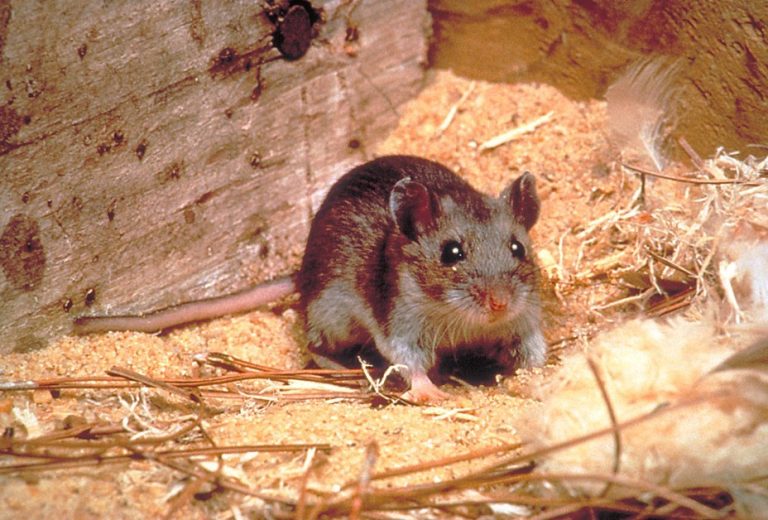
Recent concerns around Hantavirus have left many people wondering whether the common mice found inside homes can also spread the potentially dangerous virus. According to health experts, the answer is usually no — but there are important precautions people should still follow.
Hantavirus refers to a group of viruses primarily carried by certain wild rodents. In humans, it can lead to serious illnesses such as Hantavirus Pulmonary Syndrome (HPS) in the Americas and Hemorrhagic Fever with Renal Syndrome (HFRS) in parts of Europe and Asia.
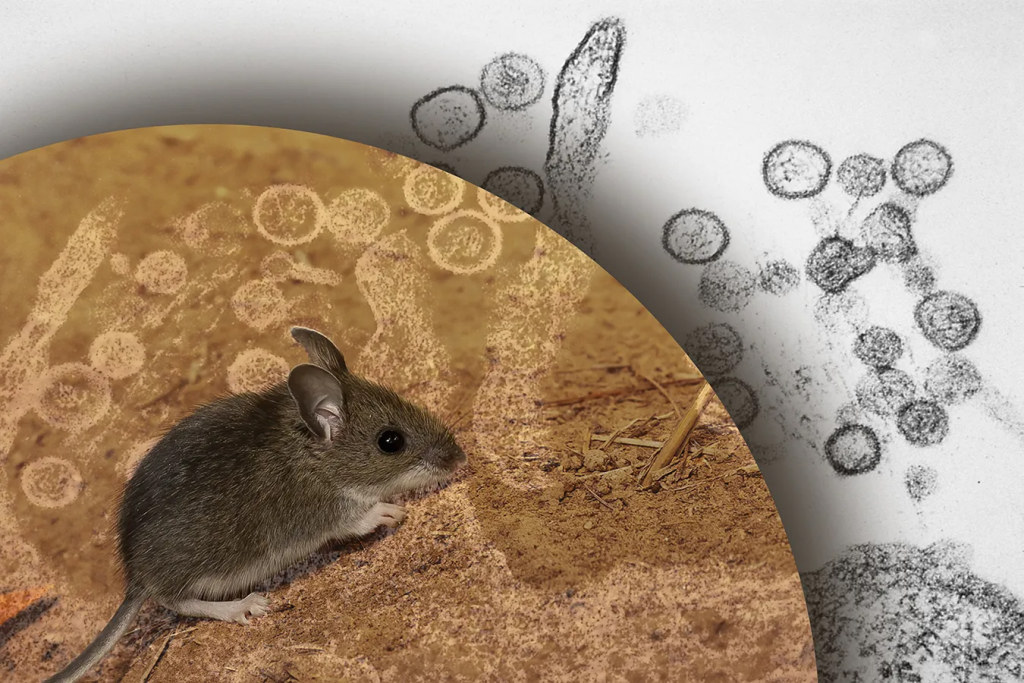
The virus typically spreads when people inhale airborne particles contaminated with infected rodent urine, saliva, droppings or nesting materials. This often happens while cleaning enclosed or dusty spaces where rodents have been present.
Experts say the primary carriers of hantavirus are usually wild rodents such as deer mice, cotton rats, rice rats and white-footed mice — especially in rural or forested areas. Common urban house mice found in kitchens, apartments or city homes are not considered the main carriers of the hantavirus strains linked to severe respiratory disease in North America.
Health agencies including the World Health Organization and the Centers for Disease Control and Prevention have clarified that simply spotting a house mouse indoors does not automatically mean there is a hantavirus risk.
People at higher risk include those cleaning garages, barns, attics, sheds or cabins that have remained closed for long periods, especially in rural regions where wild rodents are more common.
The CDC advises against sweeping or vacuuming rodent droppings because this can release virus particles into the air. Instead, contaminated areas should first be disinfected and cleaned using wet methods while wearing protective gear if necessary.
Early symptoms of hantavirus infection can resemble flu-like illness and may include fever, muscle pain, fatigue, headaches, nausea and vomiting. In severe cases, breathing difficulty and respiratory complications may develop, requiring urgent medical attention.
To reduce rodent-related health risks, experts recommend sealing holes and cracks around homes, storing food in airtight containers, disposing of waste regularly, fixing moisture problems and reducing clutter that may create nesting spaces for rodents.
Good hygiene, proper cleaning practices and rodent-proofing measures remain the most effective ways to minimise the risk of hantavirus exposure.